
POP The Reasons To Focus On Improving Robot Vacuums For Carpet
페이지 정보
작성자 Fredric Couch 댓글 0건 조회 17회 작성일 24-09-03 15:27본문
Robot Vacuums For Carpet
The majority of robot vacuums perform well on bare floors, but some are not as effective on carpets, especially ones with tassels which can get caught in the central brushroll. Look for models with high suction strength (measured in units called Pascals or Pa) which will create stronger airflow and grab more dirt from the carpet's fibers.
Power
Many robots excel in cleaning carpets and rug. Top brands such as iRobot, Eufy and Roborock have been working on this for many years, honing their capabilities for pet hair pickup and tackling hairs that block brushes. There are even models with brushes made of rubber with no bristles to wash your carpets and rugs with less effort.
Think about the size of your house and how much area you'll need to be able to cover with the robot vacuum mop for carpet and hardwood. Larger homes will need a robot vacuum good for carpet that has an extended battery or a bigger bin to sweep the floors without having to go to the charging station to recharge it or empty it. Some robots allow you to continue cleaning from the point they left when they recharge. This is useful if you want to return to work in a hurry.
Some robots come with an extremely powerful mode that can be used to clean carpets and rugs. If you're in need of this feature, make sure to read the manual for your model or online documentation.
Pick a robot vacuum with brushes that rotate and powerful suction if your rug is made of natural fibers like sisal or cotton to avoid damaging them. Certain models let you create virtual barriers to protect certain areas of your home like expensive carpets and pet food bowls.
For synthetic fiber rugs as well as wall-to-wall rugs, a machine equipped with a strong suction system is needed. It should also be able to climb high piles. The best carpet cleaner machine for home robots to clean carpets have this capability and they can also use sensors in order to determine the areas of your floor that are covered in carpets and which areas are bare.
All robots require some maintenance every now and then. This includes checking the brushes for tangled strands and emptying the dust bin (or cleaning it if the manual recommends) after each cleaning session. Many apps-connected robots offer maintenance guidelines and reminders to keep your floors looking their best.
Sensors
As with a standard vacuum cleaner, carpet robots come with sensors that enable them to discern the differences between flooring materials. These intelligent appliances can also navigate through tight spaces, such as under sofas and beds and adapt to the different pile heights of rugs. A lot of robots can be programmed to clean your floors automatically at set times. This will allow you to return home to a clean and fresh space.
A carpet-specific robot vacuum might not be as efficient as a larger machine, but it will do better than a traditional sweeper or mop. These machines can switch automatically between vacuuming and sweeping, and they also have a stronger suction that can take on the carpet's thicker fibers. The most effective robot vacuums for carpet cleaning machine can even reach deep down in the fibers to lift up dirt and grime trapped there.
It is recommended to empty the dustbin after each use and rinse the brush if the manufacturer permits it. You can also clean the charging base and wipe down any cameras or sensors. Tightening the battery connections is another great idea. If you follow these maintenance tips, you can expect your robot to work like new for many years to come.
Robots for carpets can clean your carpets and rugs however, they also mop and clean surfaces like wood flooring and tile. They typically come with small side brushes that scoop up dirt from edges and corners, as well as a rotating brush that moves between hard floors and rugs to keep them looking great. Carpet cleaners with the best robotics can also vacuum off wet spills and clean your floors in one step, so you don't have to carry around the mop and bucket.
Most robot vacuums are programmed to run every day or when you are away from home. Certain robot vacuums come with mapping technology, which allows them to create a map of your home. This allows you to set up no-go zones and targeted rooms. There are also hybrid models that simultaneously mop and vacuum but they tend to not perform as well as the dedicated machines.
Navigation
Robot vacuums employ navigation tools like lasers, sensors, and cameras to navigate the way around your home, suctioning pet hair, crumbs and other particles into their bins from hard floors like tile and wood as well as low pile carpets and area rug. Some high-end models can also map and learn your space, allowing you to set virtual boundary lines to ensure that the robot isn't allowed to enter spaces you don't want to clean. Some models also have fall detection sensors to prevent your robot from tumbling down stairs or getting stuck on obstacles.
Some of the best carpet robot vacuums come with mopping functions, allowing you to quickly switch between cleaning hard floors and wiping up liquid messes on your rugs. This is particularly useful if you have multiple floors in your home or if you have pets or children who track dirt and mud onto the areas you want to clean.
While robots are fantastic at picking up dirt and debris from surfaces, they cannot get into the fine dust embedded within carpet fibers, or in corners around baseboards or thresholds. They also struggle with tangled cords, toys, socks and other obstructive items. To ensure that your robot vacuum is operating smoothly, you must remove any obstructions, and then perform routine maintenance tasks, such as cleaning the brushes, emptying the dust bin (and rinsing it in the event that the manufacturer suggests it) and cleaning the cameras and sensors down after each use.
Shark ION Robot AV753 series is a good option if you want a robot vacuum that isn't expensive and works well on carpet. It doesn't have the Wyze robot vacuum's LIDAR mapping sensor, however it does perform relatively well on carpets and has a range of helpful features for its lower price point. The app allows you to create no-go zones which prevent the robot from entering certain areas, such as the pet's food bowl that is messy or a rug that is expensive. It can also be scheduled to clean your home when you're away. It is also compatible with Amazon Alexa, Google Assistant and other smart assistants.
Self-emptying
If you have carpets with high pile, look for a robot that can lift the pad and vacuum it. The best robots that we have tested are able to do this as well as scan the floor using a camera and avoid obstacles such as stairs and furniture. They can also detect wet areas and raise the pads to avoid over-wetting them. Many of them have smart mopping capabilities, too. The most highly rated robots from Roborock for instance both vacuum and wet mop using circular pads that rotate at a rate of 200 rotations per minute. This is enough speed to avoid excessive wetting and they don't need to be removed between uses or washed between cleanings as the robot will do this for you once it returns to its dock.
Think about a robot vacuum that is easy to maintain and maintain to provide the best experience. Certain tasks, such as emptying the dustbin and wiping down the sensors and charging contacts can be completed monthly, while others need to be completed regularly or every week. These tasks will help keep your robot running efficiently for many years to come.
The most effective models are slim enough to get under beds and sofas as well as around baseboards. They also have small brushes on their exterior shells, which are useful to clean crevices and corners. Many offer a Boost mode that increases suction power for pet hair, fine dust and other debris. This feature is ideal when you have a lot of pet hair.
In recent years robots have made incredible progress. They were a few years ago they were nothing more than annoying, overpriced devices that fell off the stairs and got stuck on rug. Today, they're impressive machines that can handle a wide range of flooring types and perform the tasks needed to keep your home tidy without even having to leave the house. They can even help you to make the most of your time off on weekends. We can all be supportive of this.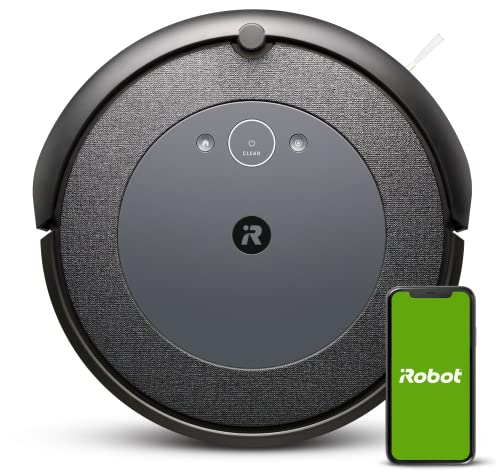
The majority of robot vacuums perform well on bare floors, but some are not as effective on carpets, especially ones with tassels which can get caught in the central brushroll. Look for models with high suction strength (measured in units called Pascals or Pa) which will create stronger airflow and grab more dirt from the carpet's fibers.
Power
Many robots excel in cleaning carpets and rug. Top brands such as iRobot, Eufy and Roborock have been working on this for many years, honing their capabilities for pet hair pickup and tackling hairs that block brushes. There are even models with brushes made of rubber with no bristles to wash your carpets and rugs with less effort.
Think about the size of your house and how much area you'll need to be able to cover with the robot vacuum mop for carpet and hardwood. Larger homes will need a robot vacuum good for carpet that has an extended battery or a bigger bin to sweep the floors without having to go to the charging station to recharge it or empty it. Some robots allow you to continue cleaning from the point they left when they recharge. This is useful if you want to return to work in a hurry.
Some robots come with an extremely powerful mode that can be used to clean carpets and rugs. If you're in need of this feature, make sure to read the manual for your model or online documentation.
Pick a robot vacuum with brushes that rotate and powerful suction if your rug is made of natural fibers like sisal or cotton to avoid damaging them. Certain models let you create virtual barriers to protect certain areas of your home like expensive carpets and pet food bowls.
For synthetic fiber rugs as well as wall-to-wall rugs, a machine equipped with a strong suction system is needed. It should also be able to climb high piles. The best carpet cleaner machine for home robots to clean carpets have this capability and they can also use sensors in order to determine the areas of your floor that are covered in carpets and which areas are bare.
All robots require some maintenance every now and then. This includes checking the brushes for tangled strands and emptying the dust bin (or cleaning it if the manual recommends) after each cleaning session. Many apps-connected robots offer maintenance guidelines and reminders to keep your floors looking their best.
Sensors
As with a standard vacuum cleaner, carpet robots come with sensors that enable them to discern the differences between flooring materials. These intelligent appliances can also navigate through tight spaces, such as under sofas and beds and adapt to the different pile heights of rugs. A lot of robots can be programmed to clean your floors automatically at set times. This will allow you to return home to a clean and fresh space.
A carpet-specific robot vacuum might not be as efficient as a larger machine, but it will do better than a traditional sweeper or mop. These machines can switch automatically between vacuuming and sweeping, and they also have a stronger suction that can take on the carpet's thicker fibers. The most effective robot vacuums for carpet cleaning machine can even reach deep down in the fibers to lift up dirt and grime trapped there.
It is recommended to empty the dustbin after each use and rinse the brush if the manufacturer permits it. You can also clean the charging base and wipe down any cameras or sensors. Tightening the battery connections is another great idea. If you follow these maintenance tips, you can expect your robot to work like new for many years to come.
Robots for carpets can clean your carpets and rugs however, they also mop and clean surfaces like wood flooring and tile. They typically come with small side brushes that scoop up dirt from edges and corners, as well as a rotating brush that moves between hard floors and rugs to keep them looking great. Carpet cleaners with the best robotics can also vacuum off wet spills and clean your floors in one step, so you don't have to carry around the mop and bucket.
Most robot vacuums are programmed to run every day or when you are away from home. Certain robot vacuums come with mapping technology, which allows them to create a map of your home. This allows you to set up no-go zones and targeted rooms. There are also hybrid models that simultaneously mop and vacuum but they tend to not perform as well as the dedicated machines.
Navigation
Robot vacuums employ navigation tools like lasers, sensors, and cameras to navigate the way around your home, suctioning pet hair, crumbs and other particles into their bins from hard floors like tile and wood as well as low pile carpets and area rug. Some high-end models can also map and learn your space, allowing you to set virtual boundary lines to ensure that the robot isn't allowed to enter spaces you don't want to clean. Some models also have fall detection sensors to prevent your robot from tumbling down stairs or getting stuck on obstacles.
Some of the best carpet robot vacuums come with mopping functions, allowing you to quickly switch between cleaning hard floors and wiping up liquid messes on your rugs. This is particularly useful if you have multiple floors in your home or if you have pets or children who track dirt and mud onto the areas you want to clean.
While robots are fantastic at picking up dirt and debris from surfaces, they cannot get into the fine dust embedded within carpet fibers, or in corners around baseboards or thresholds. They also struggle with tangled cords, toys, socks and other obstructive items. To ensure that your robot vacuum is operating smoothly, you must remove any obstructions, and then perform routine maintenance tasks, such as cleaning the brushes, emptying the dust bin (and rinsing it in the event that the manufacturer suggests it) and cleaning the cameras and sensors down after each use.
Shark ION Robot AV753 series is a good option if you want a robot vacuum that isn't expensive and works well on carpet. It doesn't have the Wyze robot vacuum's LIDAR mapping sensor, however it does perform relatively well on carpets and has a range of helpful features for its lower price point. The app allows you to create no-go zones which prevent the robot from entering certain areas, such as the pet's food bowl that is messy or a rug that is expensive. It can also be scheduled to clean your home when you're away. It is also compatible with Amazon Alexa, Google Assistant and other smart assistants.
Self-emptying
If you have carpets with high pile, look for a robot that can lift the pad and vacuum it. The best robots that we have tested are able to do this as well as scan the floor using a camera and avoid obstacles such as stairs and furniture. They can also detect wet areas and raise the pads to avoid over-wetting them. Many of them have smart mopping capabilities, too. The most highly rated robots from Roborock for instance both vacuum and wet mop using circular pads that rotate at a rate of 200 rotations per minute. This is enough speed to avoid excessive wetting and they don't need to be removed between uses or washed between cleanings as the robot will do this for you once it returns to its dock.
Think about a robot vacuum that is easy to maintain and maintain to provide the best experience. Certain tasks, such as emptying the dustbin and wiping down the sensors and charging contacts can be completed monthly, while others need to be completed regularly or every week. These tasks will help keep your robot running efficiently for many years to come.
The most effective models are slim enough to get under beds and sofas as well as around baseboards. They also have small brushes on their exterior shells, which are useful to clean crevices and corners. Many offer a Boost mode that increases suction power for pet hair, fine dust and other debris. This feature is ideal when you have a lot of pet hair.
In recent years robots have made incredible progress. They were a few years ago they were nothing more than annoying, overpriced devices that fell off the stairs and got stuck on rug. Today, they're impressive machines that can handle a wide range of flooring types and perform the tasks needed to keep your home tidy without even having to leave the house. They can even help you to make the most of your time off on weekends. We can all be supportive of this.
댓글목록
등록된 댓글이 없습니다.