
POP The 10 Scariest Things About Glaucous Macaw
페이지 정보
작성자 Gale Begum 댓글 0건 조회 22회 작성일 25-02-04 10:19본문
Glaucous Orville macaw parrot price
The glaucous Macaw is one the rarest birds in the world. It is considered Critically Endangered and could be extinct in the wild.
The bird has been observed by aviculturists from various countries, but the latest sighting was recorded in 1992. This alleged sighting was in southwest Paraguay close to the city of Corrientes. The bird was male.
Origin
The Glaucous macaw is a threatened parrot species that is native South America. This majestic bird is distinguished by its distinctive blue feather pattern as well as a powerful beak capable of breaking open tough seeds and nuts. Glaucous macaws form long-term monogamous pairs and both parents help raise the chicks. They feed the chicks a diet of regurgitated food for the first few weeks after birth, and then they begin eating solid foods as they develop. Parents are also responsible for teaching young macaws to fly and hunt.
The glaucous Darling hahns macaw is extinct, yet rumors of its existence persist around the world. The glaucous Macaw is believed to have been extinct in the 1800s because of cattle grazing on yatay (Butia) palm groves where the birds gathered their food. The glaucous Macaw is believed to be making a comeback and is often kept with its larger relative, Lear’s macaw.
In terms of habitat, the glaucous macaw can be found in subtropical forests of South America. They are most often found in areas that have plenty of palm trees, and are known to be highly adaptable to a variety of forested habitats. These beautiful birds are recognized as being very territorial and will protect their nesting and feeding areas from intruders.
There have been a number of reports on the glaucous macaw over the years, but they are considered to be not reliable. The most recent report of a wild event is a friend of Ridgely's that claimed to have witnessed four Glaucous macaws in Califomia. This claim is unacceptable until it is supported with evidence. Many experts have concluded that the bird is likely to be extinct since there are no records from the last century. However they have been willing to accept a small chance of its survival. If it survives it is highly unlikely to make it to large numbers.
Habitat
The glaucous macaw is a striking bird, renowned for its huge size and stunning turquoise-blue coloring. The tail and wings are long, enhancing its fluid and graceful moves. This bird is a symbol of love and loyalty. Its beak, which is mostly black, has a distinctive shape that allows it break seeds and nuts. They are a significant portion of its diet.
The Glaucous Macaw is considered Critically Endangered by the IUCN which states that it has a small population and is at high chance of becoming extinct. This species was formerly fairly widespread but now it is found only in northern Argentina as well as southern Paraguay, north-eastern Uruguay and Brazil from Parana state southwards, where it was a nesting place in cliffs along major rivers.
Although there have been no confirmed sightings of this species since 1830 however, the Glaucous Macaw seemed not to be a rare species in its comparatively small range; specimens were collected up to 1850 (in Corrientes). The last known living Glaucous Macaw was exhibited at the Buenos Aires Zoo in 1936 and is believed to be from Brazil.
Reassessment suggests that this species is a generalist, and prefers areas of savanna that are which is surrounded by palm "islands" and bands of riparian forests along river systems. It was a particular feeder of palm fruits, especially those of the yatay or chatay palm (Butia yatay) however, it was likely to also consume unripe and ripe fruits, nuts, berries and vegetables. It nests on steep slopes, in cliffs and sometimes in tree cavities.
The bird was likely to be gregarious and social, just like other parrots. It was believed that it could live for up to 14.4 years in captivity, and was a reliable breeder who reproduced year after year. Its life expectancy in the wild was between 50 and 80 years. The species was a strong disperser of seeds and could be a factor in the success of the palm yatay species in its natural habitat.
Feeding
The Glaucous Macaw (Anodorhynchus glaucus) is one of the most stunning of the parrot species and has a an immense impact in its surroundings. This large South American bird is known for its vivid blue feathers and eyes that are yellow, as well as the distinctive teardrop-shaped lappet which adorns the lower portion of its beak.
Until recently very little was known about the eating habits of the Glaucous Macaw. The earliest references to this subject that I have come across are two works by H.W. Bates' "The Naturalist on the amazons", first published in 1863, describes his 11-year journey in Brazil. Later in his book "As Birds of the Brazilian Forests" He wrote about the same experience. Both of these references to the Hyacinthine Macaw (Anodorhynchus aureolarius) however I see no reason to think that they are not applicable to this species.
It is likely that the Glaucous Macaw was a particular for the consumption of palm nuts. It also consumed other seeds, fruits, and vegetable matter in smaller amounts. The diet of this species was likely affected by the clearing of forests to cultivate cattle and the cattle-ranching practices of early colonists as well as the felling of yatay (Butia) palms from which it received much of its nutrition.
In the wild, the Glaucous Macaw was often found in subtropical forests with mountains and savannahs that were surrounded by palm trees where it nested in tree cavities and on rocky banks or in the top of palm fronds. Females incubate and lay two eggs on average.
The young Glaucous Macaws are altricial, meaning they rely on their parents to take care of them until they are fully grown and fly. Both the males and females are very committed to their offspring and hunt for food and defend them against predators.
Unfortunately the Glaucous Macaw has been eradicated from the majority of its previous range. The disappearance of this magnificent bird is likely due to the continued trapping of pets for the pet trade as well as disturbance of habitat, especially the wholesale clearing of yatay palms from which it may have obtained its primary food source. The Glaucous Macaw is classified as Critically Endangered.
Breeding
Glaucous macaws typically form long-term monogamous pairs and both parents play a role in raising the young. They breed in the dry season, which is when the food supply is at its highest. The Cleo female macaws for sale lays a clutch of two to three eggs that are incubated for a period of around 28 days. In the initial few weeks after hatching the chicks are fed daily by their parents through regurgitation. Macaws are then able exploring and learning to feed themselves. They are also taught how to fly and forage.
Like all birds, glaucous macaws are social animals. They are active during the day and spend their nights resting. They usually seek shelter in tree cavities or other nesting spots to sleep. They are extremely vocal and their calls can be heard throughout the forest during the day.
While it is hoped that the species will recover from its decline in the wild, the bird is facing numerous threats, such as the loss of habitat, illegal trapping for the pet trade and deforestation. It is believed that there are less than 20 glaucous macaws living in the wild. The IUCN has classified the bird as "Critically endangered--possibly extinct."
The glaucous macaw is called the Lear's macaw or the blue-throated hummingbird, and is distinguished by its vibrant blue feathers. The parrot measures 70 centimeters in length and has a a powerful beak capable of slicing open seeds and nuts. This gorgeous bird is native to South America, and it is found in a variety of habitats like forests, dry lowland grasslands, and wetland.
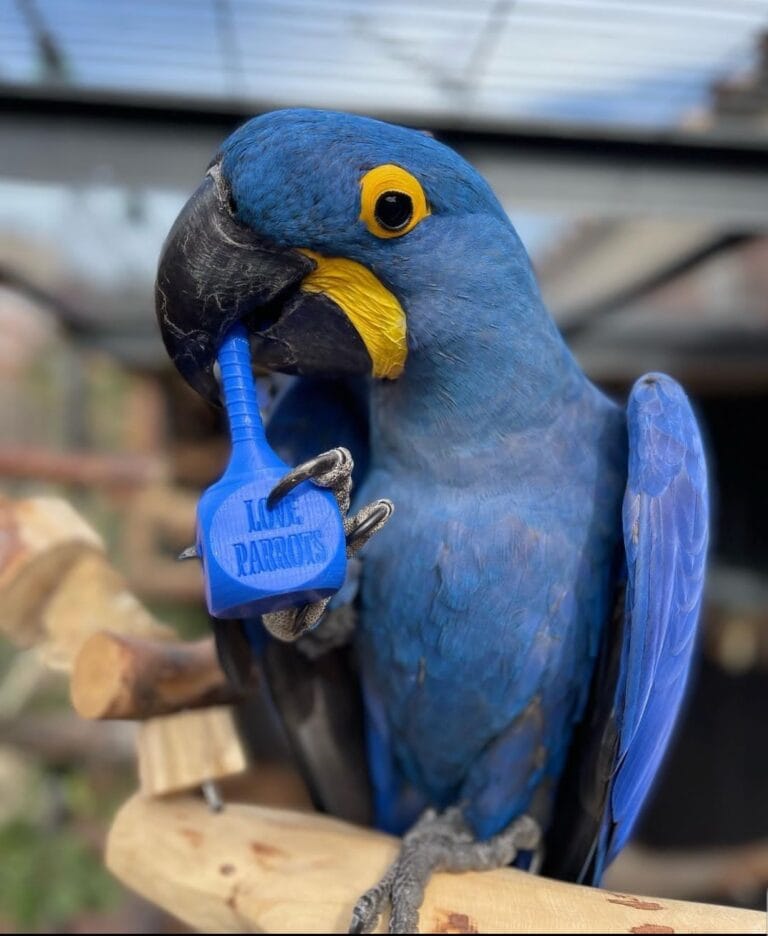 This magnificent bird is a sign of South American biodiversity. Its appearance is elegant with its slim body, vibrant Melody blue spix macaw feathers, and a light build. Its beak is curvaceous and black, which helps it open the nuts and seeds that make up a major portion of its diet. It is a beautiful bird, and is frequently featured in birds shows. It is also popular in captivity where it can live a lifetime.
The glaucous Macaw is one the rarest birds in the world. It is considered Critically Endangered and could be extinct in the wild.
The bird has been observed by aviculturists from various countries, but the latest sighting was recorded in 1992. This alleged sighting was in southwest Paraguay close to the city of Corrientes. The bird was male.
Origin
The Glaucous macaw is a threatened parrot species that is native South America. This majestic bird is distinguished by its distinctive blue feather pattern as well as a powerful beak capable of breaking open tough seeds and nuts. Glaucous macaws form long-term monogamous pairs and both parents help raise the chicks. They feed the chicks a diet of regurgitated food for the first few weeks after birth, and then they begin eating solid foods as they develop. Parents are also responsible for teaching young macaws to fly and hunt.
The glaucous Darling hahns macaw is extinct, yet rumors of its existence persist around the world. The glaucous Macaw is believed to have been extinct in the 1800s because of cattle grazing on yatay (Butia) palm groves where the birds gathered their food. The glaucous Macaw is believed to be making a comeback and is often kept with its larger relative, Lear’s macaw.
In terms of habitat, the glaucous macaw can be found in subtropical forests of South America. They are most often found in areas that have plenty of palm trees, and are known to be highly adaptable to a variety of forested habitats. These beautiful birds are recognized as being very territorial and will protect their nesting and feeding areas from intruders.
There have been a number of reports on the glaucous macaw over the years, but they are considered to be not reliable. The most recent report of a wild event is a friend of Ridgely's that claimed to have witnessed four Glaucous macaws in Califomia. This claim is unacceptable until it is supported with evidence. Many experts have concluded that the bird is likely to be extinct since there are no records from the last century. However they have been willing to accept a small chance of its survival. If it survives it is highly unlikely to make it to large numbers.
Habitat
The glaucous macaw is a striking bird, renowned for its huge size and stunning turquoise-blue coloring. The tail and wings are long, enhancing its fluid and graceful moves. This bird is a symbol of love and loyalty. Its beak, which is mostly black, has a distinctive shape that allows it break seeds and nuts. They are a significant portion of its diet.
The Glaucous Macaw is considered Critically Endangered by the IUCN which states that it has a small population and is at high chance of becoming extinct. This species was formerly fairly widespread but now it is found only in northern Argentina as well as southern Paraguay, north-eastern Uruguay and Brazil from Parana state southwards, where it was a nesting place in cliffs along major rivers.
Although there have been no confirmed sightings of this species since 1830 however, the Glaucous Macaw seemed not to be a rare species in its comparatively small range; specimens were collected up to 1850 (in Corrientes). The last known living Glaucous Macaw was exhibited at the Buenos Aires Zoo in 1936 and is believed to be from Brazil.
Reassessment suggests that this species is a generalist, and prefers areas of savanna that are which is surrounded by palm "islands" and bands of riparian forests along river systems. It was a particular feeder of palm fruits, especially those of the yatay or chatay palm (Butia yatay) however, it was likely to also consume unripe and ripe fruits, nuts, berries and vegetables. It nests on steep slopes, in cliffs and sometimes in tree cavities.
The bird was likely to be gregarious and social, just like other parrots. It was believed that it could live for up to 14.4 years in captivity, and was a reliable breeder who reproduced year after year. Its life expectancy in the wild was between 50 and 80 years. The species was a strong disperser of seeds and could be a factor in the success of the palm yatay species in its natural habitat.
Feeding
The Glaucous Macaw (Anodorhynchus glaucus) is one of the most stunning of the parrot species and has a an immense impact in its surroundings. This large South American bird is known for its vivid blue feathers and eyes that are yellow, as well as the distinctive teardrop-shaped lappet which adorns the lower portion of its beak.
Until recently very little was known about the eating habits of the Glaucous Macaw. The earliest references to this subject that I have come across are two works by H.W. Bates' "The Naturalist on the amazons", first published in 1863, describes his 11-year journey in Brazil. Later in his book "As Birds of the Brazilian Forests" He wrote about the same experience. Both of these references to the Hyacinthine Macaw (Anodorhynchus aureolarius) however I see no reason to think that they are not applicable to this species.
It is likely that the Glaucous Macaw was a particular for the consumption of palm nuts. It also consumed other seeds, fruits, and vegetable matter in smaller amounts. The diet of this species was likely affected by the clearing of forests to cultivate cattle and the cattle-ranching practices of early colonists as well as the felling of yatay (Butia) palms from which it received much of its nutrition.
In the wild, the Glaucous Macaw was often found in subtropical forests with mountains and savannahs that were surrounded by palm trees where it nested in tree cavities and on rocky banks or in the top of palm fronds. Females incubate and lay two eggs on average.
The young Glaucous Macaws are altricial, meaning they rely on their parents to take care of them until they are fully grown and fly. Both the males and females are very committed to their offspring and hunt for food and defend them against predators.
Unfortunately the Glaucous Macaw has been eradicated from the majority of its previous range. The disappearance of this magnificent bird is likely due to the continued trapping of pets for the pet trade as well as disturbance of habitat, especially the wholesale clearing of yatay palms from which it may have obtained its primary food source. The Glaucous Macaw is classified as Critically Endangered.
Breeding
Glaucous macaws typically form long-term monogamous pairs and both parents play a role in raising the young. They breed in the dry season, which is when the food supply is at its highest. The Cleo female macaws for sale lays a clutch of two to three eggs that are incubated for a period of around 28 days. In the initial few weeks after hatching the chicks are fed daily by their parents through regurgitation. Macaws are then able exploring and learning to feed themselves. They are also taught how to fly and forage.
Like all birds, glaucous macaws are social animals. They are active during the day and spend their nights resting. They usually seek shelter in tree cavities or other nesting spots to sleep. They are extremely vocal and their calls can be heard throughout the forest during the day.
While it is hoped that the species will recover from its decline in the wild, the bird is facing numerous threats, such as the loss of habitat, illegal trapping for the pet trade and deforestation. It is believed that there are less than 20 glaucous macaws living in the wild. The IUCN has classified the bird as "Critically endangered--possibly extinct."
The glaucous macaw is called the Lear's macaw or the blue-throated hummingbird, and is distinguished by its vibrant blue feathers. The parrot measures 70 centimeters in length and has a a powerful beak capable of slicing open seeds and nuts. This gorgeous bird is native to South America, and it is found in a variety of habitats like forests, dry lowland grasslands, and wetland.
This magnificent bird is a sign of South American biodiversity. Its appearance is elegant with its slim body, vibrant Melody blue spix macaw feathers, and a light build. Its beak is curvaceous and black, which helps it open the nuts and seeds that make up a major portion of its diet. It is a beautiful bird, and is frequently featured in birds shows. It is also popular in captivity where it can live a lifetime.댓글목록
등록된 댓글이 없습니다.