
UI UX Design Boarding Up Windows And Doors Tools To Improve Your Daily Lifethe One …
페이지 정보
작성자 Christena 댓글 0건 조회 63회 작성일 25-03-10 00:23본문
boarding up windows And Doors (www.haidong365.com) Before a Storm Hits
 Boarding up your windows and doorways before an event can give you the protection you need against damage. You will need several items to accomplish this.
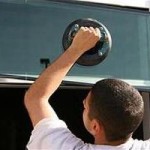 First, measure the width and height of the window, including the framing (not the trim around it or masonry). Note these measurements so you don't forget.
Preparation
It is recommended to cover your windows and doors prior to a storm or natural disaster. This will reduce damage to property and decrease the risk of death. Window board-up requires a lot of preparation, such as purchasing and measuring plywood boards as well as identifying the exact size of each window that needs to be covered. Additionally, it takes time to cut the boards and then install them correctly. The process can be simplified by starting the preparations immediately you hear of an approaching storm. If you do this, you can avoid a stressful last minute rush and make the process easier for yourself and your employees.
Begin by listening to weather forecasters and following the guidelines set by your local government. The earlier you start the process the better, since it allows you time to collect and store the necessary items without being pushed by a storm that is rapidly approaching. You may need a large amount of plywood to cover your windows, depending on the severity and imminence of the storm. To ensure that you have the right size, you can make use of a tape measure to determine the height and width of each window opening. Make sure to consider the trim or framing surrounding each window as well as any sills that are extended in the event that they are required.
Divide the width and the height of your window by two to determine the amount of plywood sheets you'll need. For example, if width of your window is 16 inches the thickness of each sheet should be 8 inches. If your exterior is made of wood make pilot holes in the plywood sheet to align with the window frame below. This will prevent splitting when you screw in the screws.
To make sure that the window's opening is bigger than what a sheet of plywood can accommodate, cut two separate sheets that are each half the size of the desired window and set them side-byside on the wall. Cut a piece of 2 by 4 in (5.1 10.2 cm) 10.2 cm) of lumber to the length the connecting edge between the plywood sheets, and place it on the top of the seam. Then screw 2.25 in (5.7cm) screws into the plywood sheet and through the bracing to join the two together.
Materials
To ensure safety and security, only use materials that are strong and won't be damaged or break in strong winds. The most common material used to encase windows is plywood, which is cheap easily available and simple to work with. Select plywood that is exterior grade (CDX) since it is more durable and have less knots and warps. A more durable alternative is hurricane or storm shutters, which are put up over windows that are already in place to provide more protection against glass shattering and the weather that can cause a lot of damage.
Once you've identified the location of your windows, measure the height and width of each to determine how much plywood you'll require. Then make use of the power drill to drill pilot holes into the plywood sheets at two-inch intervals around each window. Mark the studs on the wall prior to attaching the plywood to ensure the boards are fastened securely. If your home is constructed with wood siding, look for nailheads that might indicate the location of studs. You could also use your drill to determine the locations of studs. Screws should be driven into the framing, not the trim or sheathing. A plywood panel bonded to these materials alone could cause a safety risk during high winds.
If your window is too large for one sheet of plywood, cut two pieces of plywood that are each half the size and join them using two by four inches of lumber. Label each plywood piece so that you can identify which window it will be covering.
To secure the plywood panels to the wall, make use of corrosion-resistant screws that are long enough to penetrate both the sheathing and the studs. To attach the plywood panels to the wall, use corrosion-resistant screws that are long enough to penetrate the sheathing and the studs.
In addition to securing your windows, it is also advisable to put up a "No Trespassing" sign on your property and think about installing polycarbonate security glass like DefenseLite over your windows. These transparent shields adhere to the existing glass to guard your windows and doors and are virtually impossible to break, preventing criminals from breaking into.
Installation
If you live or intend to move to a place which is susceptible to hurricanes and are concerned about the storm you should consider boarding up all your windows and doors. It's a project that can be done quickly and efficiently, but only if you make the effort to measure, boarding up windows and doors cut and label your plywood panels before the storm arrives.
You'll need additional tools, including a drill, a saw (or nail-driven hammer for those who don't have a power tool) and a level, gloves, and safety glasses. It's also a good idea to allow the plywood to be coated with sealant in order to make it waterproof.
Begin by measuring each window's height and width. Then, cut your plywood sheets to fit into the frames. This is best done on site because you can control the exact dimensions.
Cut the boards to the desired size with a track or circular saw. Once installed it is necessary to sand them down completely. them. After your boards are set then screw the 3" stainless steel hanger screws into the framing posts around each window. Use washers to secure each bolt as well as wing nuts. Make sure that every screw is inserted at least 2 inches into the studs to ensure the boarding up property is sturdy enough to withstand high winds.
If you're building with concrete block, you can instead attach the plywood to the building with galvanized pan-head screws pushed through the overlapping edges of each panel to form cinder blocks or masonry blocks. It is also necessary to drill pilots into the masonry and then screw corrosion-resistant screws into the holes. This project could take as long as three hours for each window, so it's important to start the process immediately after you hear that a hurricane warning has been issued. This will give you plenty of time to complete the task before the storm hits.
Maintenance
If you're a homeowner, or business owner, you must have the right materials to secure windows and doors in advance of a severe storm. This will save you from costly repairs and protect your home from further damage resulting from rain, wind, flying debris, and other elements that can affect windows.
Having the right materials can make the boarding up houses up process faster and easier to complete. The key is to precisely take measurements of the dimensions of the windows you have to cover. This will ensure the OSB or plywood fits snugly, and that it won't come off easily. If you are using plywood, be sure to use sheets of exterior grade and think about adding a protective finish.
Note the locations where the screws are going to be inserted into the board once you have taken measurements of the plywood or OSB. Make use of a drill to drill holes at 12-inch intervals in the plywood. You can then use hanger bolts to secure the boards in an emergency boarding up services or disaster situation. After the storm has passed and you've received the all-clear from local authorities, take off the hanger bolts, but leave them in place for any future emergencies.
The next step is to install the plywood panels on top of the windows. This is a two-person task, so be prepared before you start. If you are using plywood be sure to sand the edges of the piece to smooth them so they won't scratch paint or trim. Then make use of corrosion-resistant screws attach the plywood using the pilot holes. If your home is lined with vinyl shingles it is best to attach the plywood to the shingles rather than the wood framing underneath.
A window that is boarded up can be used to deter burglars. Burglars are more likely target a building that has a damaged or unlocked window. They're also more likely to break into a store that's been closed than one without. If you're a business owner, this is something you must take seriously.
Boarding up your windows and doorways before an event can give you the protection you need against damage. You will need several items to accomplish this.First, measure the width and height of the window, including the framing (not the trim around it or masonry). Note these measurements so you don't forget.Preparation
It is recommended to cover your windows and doors prior to a storm or natural disaster. This will reduce damage to property and decrease the risk of death. Window board-up requires a lot of preparation, such as purchasing and measuring plywood boards as well as identifying the exact size of each window that needs to be covered. Additionally, it takes time to cut the boards and then install them correctly. The process can be simplified by starting the preparations immediately you hear of an approaching storm. If you do this, you can avoid a stressful last minute rush and make the process easier for yourself and your employees.
Begin by listening to weather forecasters and following the guidelines set by your local government. The earlier you start the process the better, since it allows you time to collect and store the necessary items without being pushed by a storm that is rapidly approaching. You may need a large amount of plywood to cover your windows, depending on the severity and imminence of the storm. To ensure that you have the right size, you can make use of a tape measure to determine the height and width of each window opening. Make sure to consider the trim or framing surrounding each window as well as any sills that are extended in the event that they are required.
Divide the width and the height of your window by two to determine the amount of plywood sheets you'll need. For example, if width of your window is 16 inches the thickness of each sheet should be 8 inches. If your exterior is made of wood make pilot holes in the plywood sheet to align with the window frame below. This will prevent splitting when you screw in the screws.
To make sure that the window's opening is bigger than what a sheet of plywood can accommodate, cut two separate sheets that are each half the size of the desired window and set them side-byside on the wall. Cut a piece of 2 by 4 in (5.1 10.2 cm) 10.2 cm) of lumber to the length the connecting edge between the plywood sheets, and place it on the top of the seam. Then screw 2.25 in (5.7cm) screws into the plywood sheet and through the bracing to join the two together.
Materials
To ensure safety and security, only use materials that are strong and won't be damaged or break in strong winds. The most common material used to encase windows is plywood, which is cheap easily available and simple to work with. Select plywood that is exterior grade (CDX) since it is more durable and have less knots and warps. A more durable alternative is hurricane or storm shutters, which are put up over windows that are already in place to provide more protection against glass shattering and the weather that can cause a lot of damage.
Once you've identified the location of your windows, measure the height and width of each to determine how much plywood you'll require. Then make use of the power drill to drill pilot holes into the plywood sheets at two-inch intervals around each window. Mark the studs on the wall prior to attaching the plywood to ensure the boards are fastened securely. If your home is constructed with wood siding, look for nailheads that might indicate the location of studs. You could also use your drill to determine the locations of studs. Screws should be driven into the framing, not the trim or sheathing. A plywood panel bonded to these materials alone could cause a safety risk during high winds.
If your window is too large for one sheet of plywood, cut two pieces of plywood that are each half the size and join them using two by four inches of lumber. Label each plywood piece so that you can identify which window it will be covering.
To secure the plywood panels to the wall, make use of corrosion-resistant screws that are long enough to penetrate both the sheathing and the studs. To attach the plywood panels to the wall, use corrosion-resistant screws that are long enough to penetrate the sheathing and the studs.
In addition to securing your windows, it is also advisable to put up a "No Trespassing" sign on your property and think about installing polycarbonate security glass like DefenseLite over your windows. These transparent shields adhere to the existing glass to guard your windows and doors and are virtually impossible to break, preventing criminals from breaking into.
Installation
If you live or intend to move to a place which is susceptible to hurricanes and are concerned about the storm you should consider boarding up all your windows and doors. It's a project that can be done quickly and efficiently, but only if you make the effort to measure, boarding up windows and doors cut and label your plywood panels before the storm arrives.
You'll need additional tools, including a drill, a saw (or nail-driven hammer for those who don't have a power tool) and a level, gloves, and safety glasses. It's also a good idea to allow the plywood to be coated with sealant in order to make it waterproof.
Begin by measuring each window's height and width. Then, cut your plywood sheets to fit into the frames. This is best done on site because you can control the exact dimensions.
Cut the boards to the desired size with a track or circular saw. Once installed it is necessary to sand them down completely. them. After your boards are set then screw the 3" stainless steel hanger screws into the framing posts around each window. Use washers to secure each bolt as well as wing nuts. Make sure that every screw is inserted at least 2 inches into the studs to ensure the boarding up property is sturdy enough to withstand high winds.
If you're building with concrete block, you can instead attach the plywood to the building with galvanized pan-head screws pushed through the overlapping edges of each panel to form cinder blocks or masonry blocks. It is also necessary to drill pilots into the masonry and then screw corrosion-resistant screws into the holes. This project could take as long as three hours for each window, so it's important to start the process immediately after you hear that a hurricane warning has been issued. This will give you plenty of time to complete the task before the storm hits.
Maintenance
If you're a homeowner, or business owner, you must have the right materials to secure windows and doors in advance of a severe storm. This will save you from costly repairs and protect your home from further damage resulting from rain, wind, flying debris, and other elements that can affect windows.
Having the right materials can make the boarding up houses up process faster and easier to complete. The key is to precisely take measurements of the dimensions of the windows you have to cover. This will ensure the OSB or plywood fits snugly, and that it won't come off easily. If you are using plywood, be sure to use sheets of exterior grade and think about adding a protective finish.
Note the locations where the screws are going to be inserted into the board once you have taken measurements of the plywood or OSB. Make use of a drill to drill holes at 12-inch intervals in the plywood. You can then use hanger bolts to secure the boards in an emergency boarding up services or disaster situation. After the storm has passed and you've received the all-clear from local authorities, take off the hanger bolts, but leave them in place for any future emergencies.
The next step is to install the plywood panels on top of the windows. This is a two-person task, so be prepared before you start. If you are using plywood be sure to sand the edges of the piece to smooth them so they won't scratch paint or trim. Then make use of corrosion-resistant screws attach the plywood using the pilot holes. If your home is lined with vinyl shingles it is best to attach the plywood to the shingles rather than the wood framing underneath.
A window that is boarded up can be used to deter burglars. Burglars are more likely target a building that has a damaged or unlocked window. They're also more likely to break into a store that's been closed than one without. If you're a business owner, this is something you must take seriously.
댓글목록
등록된 댓글이 없습니다.