
UI UX Design High Grown Arabica Coffee Beans Tools To Ease Your Daily Life High Gro…
페이지 정보
작성자 Grazyna 댓글 0건 조회 18회 작성일 24-09-03 12:28본문
High Grown Arabica Coffee Beans
Arabica coffee beans have distinct flavors. Arabica is more prone to disease and pests than its low-elevation counterpart Robusta.
High grown arabica is the coveted variety found in premium coffee shops and specialty roasters. What makes this kind of coffee so popular? Scientists have found the reason that is altitude.
High Altitudes
Coffee has a long and rich history that stretches from Ethiopia to Yemen and lower Africa. It is now a major component of the production world. Although low-elevation beans are commercially viable and populates the instant coffee sold in grocery stores, true enthusiasts look for specialty arabicas that are grown at high altitudes to elicit a more complex flavor profile.
The mountains of the world's top coffee-producing countries--Central and South America, Southern Asia and some Pacific Islands, and mid to southern Africa provide ideal growing conditions for high-grown arabica coffee beans. The high-elevation climate conditions are frost-free and provide a temperate climate with an average annual temperature ranging from 64 and 73 degrees Fahrenheit.
Cool mountain temperatures slow down the growth process of the coffee plant and allow it to mature more slowly. This allows the coffee beans to absorb various flavors from their environment and impart them with distinctive characteristics. The extended maturation helps to stop the coffee bean borer which is a tiny beetle that infests and eats the beans. It also helps keep out the coffee leaf miner, a moth, which blocks photosynthesis and can reduce productivity.
The combination of these elements contributes to a superior flavor and taste profile when as compared to lower-elevation coffees. Coffee grown at higher elevations is a better source of sweet flavors like fruit, citrus and vanilla, while being richer and smoother than their lower elevation counterparts. Roasters like this bean due to its sweetness, richness of flavour and consistency.
High-grown arabica coffee is called strictly high-grown or strictly hard bean. This means that the coffee was cultivated at a higher altitude than 4000 feet. The beans are usually grown on volcanic soil and are shade grown arabica coffee beans-grown, or organically cultivated. This adds to their already amazing flavor. They are more dense because they mature and grow slower than beans grown at lower elevations. This makes for more robust and consistent coffee. This unique quality makes SHG and SHB arabica a preferred choice of coffee for roasters looking to make a great cup.
Cool Climate
The tropical zone spanning the tropical regions of Cancer and Capricorn known as the coffee belt, is one of the most sought-after coffee growing regions. high grown authentic arabica coffee beans coffee Beans [inprokorea.com] are grown in these mountains where the low altitudes and cool climate create the ideal conditions for the plant to thrive.
Arabica plants can withstand a variety of conditions of climate but their peak growth occurs in subtropical areas with cool nights and warm days. This unique climate permits the plant to develop complex flavours that reflect the freedom of. These flavors are what make the coffee we enjoy so distinctive.
While the popularity of low-elevation instant coffees at your local supermarket is growing, coffee enthusiasts and experts agree that these types tend to be bitter and less flavorful compared to specialty coffee beans that are grown at higher elevations. The majority of the coffee consumed around the globe is high altitude coffee.
The finest arabica coffee beans are said to be grown between 3000 and 6,500 feet above sea level. They are delicious due to the combination of high elevation, cool climate and fertile soil.
Coffee farmers are always looking for the ideal soil conditions that encourage the growth of high-quality arabica coffee plants. Ideally, the soil should be rich in humus with a well-draining surface. This type of soil is ideal for growing arabica, as it promotes healthy roots and helps to reduce the risk of the risk of developing plant diseases.
 Coffee farms prefer the cool climate and has a distinct dry period. These climate patterns allow the plants to mature slow, resulting in a more delicious and dense bean.
Well-Drained Soil
Contrary to the low-elevation varieties that are grown to produce mass quantities and line the aisles of grocery stores The high-quality arabica beans are sought-after by coffee lovers for their unique and exquisite flavor. The coffee trees are shaded by tall canopy trees, and the volcanic soil is rich in nutrients. This provides the ideal conditions for the cultivation of these unique beans. The soil is abundant in nutrients, allowing the roots to absorb them, however it drains quickly so that there aren't any stagnant puddles.
Arabian coffee plants have a long taproot, as well as thin fibrous roots that stretch outwards for 3-4 ft (0.9-1.2 meters). The cherry's flowers are small, fragrant and white. They are two-seeded and ripe when red or purple. The plant is self-fertile and doesn't require cross pollination to set fruit.
The cool climate at higher altitudes slows the coffee plant's growth cycle, allowing beans to mature more slowly and develop deeper flavors. This results in a more rich flavor, more complex and complex taste that is more potent than coffees from lower elevations.
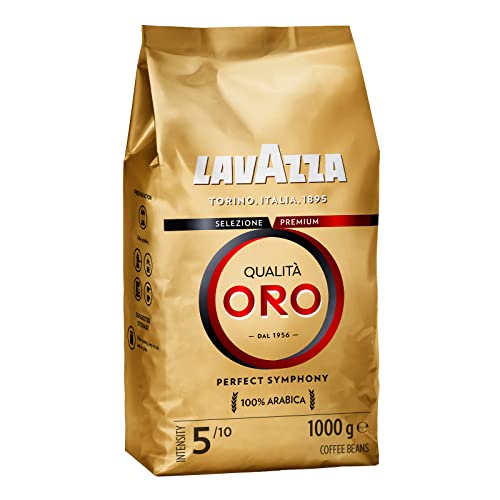 At these higher altitudes, the temperatures are cooler, and the air more humid. The cool weather is perfect for the delicate coffee plant's growth, and it helps to suppress the spread of pests and disease that plague lower elevation crops.
Due to the particular soil and climate particulars, high-altitude farms produce more beans than farms at lower elevations. This is the reason you'll typically find these top coffee beans in specialty cafes and high-end coffee roasters.
When you plant your own arabica plant, make sure you be aware of the specific requirements of this plant and select a mixture of soil that is compatible with these needs. Avoid commercial mixes that contain excessive ingredients that could prevent the roots of your plant from developing. Incorporate compost or other organic matter to improve the retention of water, without creating a concrete-like surface. Water your plant only when the soil feels dry to the feel. Avoid drowning or over-watering, which can cause root rot.
Unique Flavors
The distinctive flavor profile of arabica beans makes them extremely sought-after. They are more rich and sophisticated than other coffees with notes of chocolate, caramel fruit and flowers. The careful cultivation and roasting beans gives a smoother and sweeter taste. They also have less caffeine and acidity than other varieties which makes them less bitter and more enjoyable to drink.
Arabica beans grow in the world's mountainous regions that are part of the Coffee Belt, a tropical band that extends across 30 degrees north and south of the Equator. This is where the finest quality beans are grown. The coffee plants are cultivated in volcanic and other fertile soils, which produce small fruit, which are referred to as coffee cherries.
These cherries have two seeds within them. The seeds are separated from the fleshy outer layer once they ripen and are roasted and ground to create a cup of coffee. highland arabica coffee beans coffee beans are considered to be premium blend arabica coffee beans because they tend to be more expensive than other varieties of bean and have a more complex flavor.
The altitudes at which arabica beans are grown is one of the main factors that influence their taste and quality. The cooler climate and the fertile volcanic soils make arabica beans taste better than those that are grown at lower altitudes. The higher elevations influence the process of maturation of coffee beans. The cooler temperatures slow the development of the beans, which gives them the chance to mature.
The various coffee-growing regions around the world each have distinctive flavors and distinctive characteristics. The direct trade arabica coffee beans beans from Central America are known to possess a balanced blend with a light body. The beans from Ethiopia and Kenya, on the contrary, are noted for their sweet and savory flavor. Each country and region has a distinct type of soil, which is why each bean has a distinct flavor. Certain soils are able to hold water and produce a rich, chocolaty taste, while others have a sandy texture that makes the coffee taste lighter.
Arabica coffee beans have distinct flavors. Arabica is more prone to disease and pests than its low-elevation counterpart Robusta.
High grown arabica is the coveted variety found in premium coffee shops and specialty roasters. What makes this kind of coffee so popular? Scientists have found the reason that is altitude.
High Altitudes
Coffee has a long and rich history that stretches from Ethiopia to Yemen and lower Africa. It is now a major component of the production world. Although low-elevation beans are commercially viable and populates the instant coffee sold in grocery stores, true enthusiasts look for specialty arabicas that are grown at high altitudes to elicit a more complex flavor profile.
The mountains of the world's top coffee-producing countries--Central and South America, Southern Asia and some Pacific Islands, and mid to southern Africa provide ideal growing conditions for high-grown arabica coffee beans. The high-elevation climate conditions are frost-free and provide a temperate climate with an average annual temperature ranging from 64 and 73 degrees Fahrenheit.
Cool mountain temperatures slow down the growth process of the coffee plant and allow it to mature more slowly. This allows the coffee beans to absorb various flavors from their environment and impart them with distinctive characteristics. The extended maturation helps to stop the coffee bean borer which is a tiny beetle that infests and eats the beans. It also helps keep out the coffee leaf miner, a moth, which blocks photosynthesis and can reduce productivity.
The combination of these elements contributes to a superior flavor and taste profile when as compared to lower-elevation coffees. Coffee grown at higher elevations is a better source of sweet flavors like fruit, citrus and vanilla, while being richer and smoother than their lower elevation counterparts. Roasters like this bean due to its sweetness, richness of flavour and consistency.
High-grown arabica coffee is called strictly high-grown or strictly hard bean. This means that the coffee was cultivated at a higher altitude than 4000 feet. The beans are usually grown on volcanic soil and are shade grown arabica coffee beans-grown, or organically cultivated. This adds to their already amazing flavor. They are more dense because they mature and grow slower than beans grown at lower elevations. This makes for more robust and consistent coffee. This unique quality makes SHG and SHB arabica a preferred choice of coffee for roasters looking to make a great cup.
Cool Climate
The tropical zone spanning the tropical regions of Cancer and Capricorn known as the coffee belt, is one of the most sought-after coffee growing regions. high grown authentic arabica coffee beans coffee Beans [inprokorea.com] are grown in these mountains where the low altitudes and cool climate create the ideal conditions for the plant to thrive.
Arabica plants can withstand a variety of conditions of climate but their peak growth occurs in subtropical areas with cool nights and warm days. This unique climate permits the plant to develop complex flavours that reflect the freedom of. These flavors are what make the coffee we enjoy so distinctive.
While the popularity of low-elevation instant coffees at your local supermarket is growing, coffee enthusiasts and experts agree that these types tend to be bitter and less flavorful compared to specialty coffee beans that are grown at higher elevations. The majority of the coffee consumed around the globe is high altitude coffee.
The finest arabica coffee beans are said to be grown between 3000 and 6,500 feet above sea level. They are delicious due to the combination of high elevation, cool climate and fertile soil.
Coffee farmers are always looking for the ideal soil conditions that encourage the growth of high-quality arabica coffee plants. Ideally, the soil should be rich in humus with a well-draining surface. This type of soil is ideal for growing arabica, as it promotes healthy roots and helps to reduce the risk of the risk of developing plant diseases.
Coffee farms prefer the cool climate and has a distinct dry period. These climate patterns allow the plants to mature slow, resulting in a more delicious and dense bean.Well-Drained Soil
Contrary to the low-elevation varieties that are grown to produce mass quantities and line the aisles of grocery stores The high-quality arabica beans are sought-after by coffee lovers for their unique and exquisite flavor. The coffee trees are shaded by tall canopy trees, and the volcanic soil is rich in nutrients. This provides the ideal conditions for the cultivation of these unique beans. The soil is abundant in nutrients, allowing the roots to absorb them, however it drains quickly so that there aren't any stagnant puddles.
Arabian coffee plants have a long taproot, as well as thin fibrous roots that stretch outwards for 3-4 ft (0.9-1.2 meters). The cherry's flowers are small, fragrant and white. They are two-seeded and ripe when red or purple. The plant is self-fertile and doesn't require cross pollination to set fruit.
The cool climate at higher altitudes slows the coffee plant's growth cycle, allowing beans to mature more slowly and develop deeper flavors. This results in a more rich flavor, more complex and complex taste that is more potent than coffees from lower elevations.
At these higher altitudes, the temperatures are cooler, and the air more humid. The cool weather is perfect for the delicate coffee plant's growth, and it helps to suppress the spread of pests and disease that plague lower elevation crops.Due to the particular soil and climate particulars, high-altitude farms produce more beans than farms at lower elevations. This is the reason you'll typically find these top coffee beans in specialty cafes and high-end coffee roasters.
When you plant your own arabica plant, make sure you be aware of the specific requirements of this plant and select a mixture of soil that is compatible with these needs. Avoid commercial mixes that contain excessive ingredients that could prevent the roots of your plant from developing. Incorporate compost or other organic matter to improve the retention of water, without creating a concrete-like surface. Water your plant only when the soil feels dry to the feel. Avoid drowning or over-watering, which can cause root rot.
Unique Flavors
The distinctive flavor profile of arabica beans makes them extremely sought-after. They are more rich and sophisticated than other coffees with notes of chocolate, caramel fruit and flowers. The careful cultivation and roasting beans gives a smoother and sweeter taste. They also have less caffeine and acidity than other varieties which makes them less bitter and more enjoyable to drink.
Arabica beans grow in the world's mountainous regions that are part of the Coffee Belt, a tropical band that extends across 30 degrees north and south of the Equator. This is where the finest quality beans are grown. The coffee plants are cultivated in volcanic and other fertile soils, which produce small fruit, which are referred to as coffee cherries.
These cherries have two seeds within them. The seeds are separated from the fleshy outer layer once they ripen and are roasted and ground to create a cup of coffee. highland arabica coffee beans coffee beans are considered to be premium blend arabica coffee beans because they tend to be more expensive than other varieties of bean and have a more complex flavor.
The altitudes at which arabica beans are grown is one of the main factors that influence their taste and quality. The cooler climate and the fertile volcanic soils make arabica beans taste better than those that are grown at lower altitudes. The higher elevations influence the process of maturation of coffee beans. The cooler temperatures slow the development of the beans, which gives them the chance to mature.
The various coffee-growing regions around the world each have distinctive flavors and distinctive characteristics. The direct trade arabica coffee beans beans from Central America are known to possess a balanced blend with a light body. The beans from Ethiopia and Kenya, on the contrary, are noted for their sweet and savory flavor. Each country and region has a distinct type of soil, which is why each bean has a distinct flavor. Certain soils are able to hold water and produce a rich, chocolaty taste, while others have a sandy texture that makes the coffee taste lighter.
댓글목록
등록된 댓글이 없습니다.