
Web Banner Guide To Robot Vacuum Cleaner With Lidar: The Intermediate Guide The S…
페이지 정보
작성자 Christopher Rum… 댓글 0건 조회 18회 작성일 24-09-03 03:35본문
Robot Vacuum Cleaner With Lidar
A robot vacuum cleaner that has lidar is a clever navigation system that aids the machine to map your home. Lidar unlike cameras that provide visual information, sends laser beams and tracks the time it takes for them to bounce back. This gives precise distance measurements when mapping.
You can make your robot navigate better by removing small obstacles such as tangled cords and ensuring that all window blind cords are tucked away. Also take the dust bin out and clean the sensors after every cleaning session.
Lidar is a form of laser range finder
A robot vacuum cleaner with lidar allows you to keep your floors clean with minimum effort. It's also smart and will connect to smart home devices like Google Home's Assistant or Amazon Echo's Alexa to provide you with an unrestricted control experience. You can make use of the ECOVACS HOME app to draw virtual boundaries on an interactive map to define areas you want your robot to pay special attention to. It's less likely to get stuck on things or tangle in cords. You'll have a better clean since it will scan your space and navigate more accurately.
Lidar is a 3D-based sensor that makes use of lasers to measure distance and create an image of the area. It operates by releasing laser pulses that bounce off the objects before returning back to the sensor. The sensor then collects several distance readings. This information is used to build a 3-D map of the area.
This technology is present in many high-end models. It makes robot vacuum cleaners more precise and efficient. Lidar is more precise than conventional sensors and can detect small or flat objects, like shoes or socks, which other sensors are unable to detect. This is especially important in cluttered environments where your robot may be unable to see these items, which could cause damage to your floors.
Depending on your budget, you may need to pick models with high navigation quality or one that offers other features that will suit your needs better. A few of the most popular options include a self-emptying bin, built-in mopping capabilities, and advanced AI image recognition for elite obstacle-avoiding.
Robot vacuum cleaners also employ additional sensors, aside from the lidar, to guide them around your home. Gyroscopes can be used to avoid bumping into objects and to create a basic room map. Other systems, for instance SLAM (Simultaneous Localization and Mapping) provide more advanced navigation and mapping capabilities.
The best robotic vacuum with lidar is ECOVACS T20 OMNI. It is able to detect objects as tiny as 2 millimeters, and comes with dual laser sensors and a camera. It can map a space with greater precision, and its smart navigation system allows it to avoid obstacles. It is able to distinguish between furniture and floors and furniture, making it an excellent option for homes that have many items.
It can see in 3D
Robot vacuum cleaners that use lidar are able to better navigate than traditional roomba models because they can see objects in 3D. The lidar technology utilizes laser beams to bounce off surfaces and return to the sensor. The sensor determines the time for the laser to return, and creates an electronic map of the room. This data helps the robot to avoid obstacles and move more efficiently.
The most recent robots make use of structured light to discern the edges of objects as well as other key aspects of the room. This will allow them to get into tight spaces where other robots may struggle for space, such as the nook beneath your chair's legs. Alongside enhancing navigation capabilities, new technologies will make your robot vacuum with obstacle avoidance lidar vacuum cleaner more sophisticated and adaptable. Some of the features include advanced obstacle detection and smart home integration.
It is essential to choose the best robot vacuum robot lidar for your home. There are a myriad of options on the market. They range from the basic models of roomba to high-end robotic vacuums that mop and integrate with smart home systems. To choose the best lidar robot vacuum model for you, consider your needs and budget. While some robots might appear expensive, they could actually save you money in the end by cutting down on cleaning time and energy.
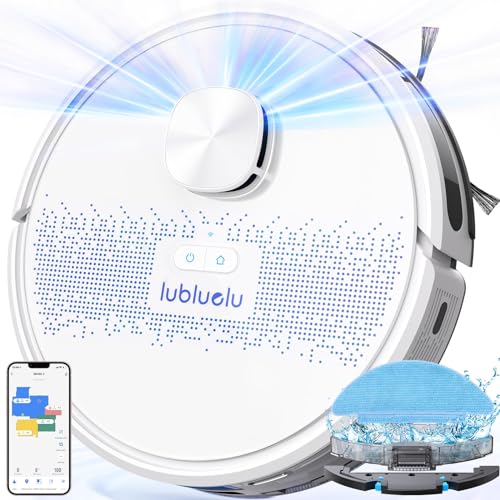 Some of the most well-known mapping systems in robot vacs are lidar as well as vSLAM. Lidar is more precise in mapping while vSLAM is able to detect obstacles more effectively. Lidar technology is expensive and requires regular upkeep, but it's the best robot vacuum with lidar method to ensure accurate maps.
Both types of mapping have advantages and disadvantages. Lidar is more precise than cameras, however it might not perform in all lighting conditions. Cameras, on the other hand, are more stable and do not require regular maintenance. They may not work as well in certain environments or on reflective surfaces.
Both Lidar cameras and Lidar will increase the efficiency of your robot. They are able to detect small objects, such as USB cables or stray socks, which are often the cause of a bot's frustration. They will be able better to discern differences in surfaces and adjust suction performance accordingly.
It can detect obstacles
Lidar is an extremely powerful technology for robot vacuums that enables them to sense and avoid obstacles, particularly in dim lighting conditions. It operates by sending laser beams to the environment and the detection of objects with reflective surfaces, like walls, furniture and carpet. Lidar navigation is more precise than gyroscopes and VSLAM, which depend on visual information to navigate. It can also identify clear or transparent objects. This is different from cameras that might have trouble detecting them.
Many of the best robot vacuums come with a wide array of sensors that help them detect obstacles and map their environment. This can be an advantage because it prevents them from getting injured or tripping over objects while cleaning. Sensors can be used to create "No-Go Zones" that will stop your robot from getting close to things you don't want it to touch.
These sensors are used in all modern robotic vacuums, but it is important to understand how they work before buying one. They can be tripped for instance, by objects that are connected to outlets, or wires wrapped around furniture. If the vacuum is pushed through these areas, it could be permanently damaged. Luckily, most robots have built-in sensors that can warn them when they're close to hitting an obstacle and stop automatically.
Cliff sensors are a common feature of robots. They prevent them from falling down stairs or other elevation changes of a significant magnitude. These sensors use infrared to detect objects that are below them and will change the robot's direction to avoid the object. These sensors are a security feature and can save you money if they stop damage to your robot.
Apart from reducing the risk of collisions lidar also increases the quality of your home's cleanliness by ensuring that all areas are cleaned thoroughly. In addition it can boost the speed of cleaning. The precise mapping and real-time collision detection capabilities of lidar-equipped robots reduce the amount of time is required to complete a cleaning task. This feature is a lifesaver to busy families.
It is able to be cleaned in a straight line
The best robot vacuums have sophisticated navigation features that enable them to navigate and clean your home without getting stuck on furniture legs or wires. The most advanced robots utilize SLAM and lidar to create a real-time map of your space and avoid obstacles when cleaning. This technology is superior to navigation using sensors which could be tripped by rugs or hang on cords. It is also possible to create zones that are virtual walls that your robot can't cross. This is useful to protect delicate objects like floor vases from dust particles.
Another feature you should look for is drop sensors. These sensors prevent your robot vacuum lidar vacuum from falling down stairs or other large height differences. This is especially useful if you have small children or pets in the house. If you have a pet you may want to think about buying a robot with AI-powered cameras that are able to detect and eliminate piles of dog poop (see the hall-of-fame CNET story).
Check if your robot vacuum is compatible with smart devices such as Alexa and Google Assistant. This makes it easier to control your robot vacuum from anywhere. The robot can be set to clean your home while you're at work.
Many robot vacuums have many other useful features, such as remote controls that allow you to change the power level and brush mode. You can also create a cleaning schedule to ensure that your robot runs regularly. This ensures that your home remains clean and tidy at all times, no matter how busy you are.
Some of the more expensive models come with laser mapping which is more effective than traditional guidance based on sensors. This technology enables the robot vacuum to navigate through your home, and the results are quite impressive. If you're on budget it's possible to go with a less expensive model. A robot that has the right navigation will save you a lot of time and money.
A robot vacuum cleaner that has lidar is a clever navigation system that aids the machine to map your home. Lidar unlike cameras that provide visual information, sends laser beams and tracks the time it takes for them to bounce back. This gives precise distance measurements when mapping.
You can make your robot navigate better by removing small obstacles such as tangled cords and ensuring that all window blind cords are tucked away. Also take the dust bin out and clean the sensors after every cleaning session.
Lidar is a form of laser range finder
A robot vacuum cleaner with lidar allows you to keep your floors clean with minimum effort. It's also smart and will connect to smart home devices like Google Home's Assistant or Amazon Echo's Alexa to provide you with an unrestricted control experience. You can make use of the ECOVACS HOME app to draw virtual boundaries on an interactive map to define areas you want your robot to pay special attention to. It's less likely to get stuck on things or tangle in cords. You'll have a better clean since it will scan your space and navigate more accurately.
Lidar is a 3D-based sensor that makes use of lasers to measure distance and create an image of the area. It operates by releasing laser pulses that bounce off the objects before returning back to the sensor. The sensor then collects several distance readings. This information is used to build a 3-D map of the area.
This technology is present in many high-end models. It makes robot vacuum cleaners more precise and efficient. Lidar is more precise than conventional sensors and can detect small or flat objects, like shoes or socks, which other sensors are unable to detect. This is especially important in cluttered environments where your robot may be unable to see these items, which could cause damage to your floors.
Depending on your budget, you may need to pick models with high navigation quality or one that offers other features that will suit your needs better. A few of the most popular options include a self-emptying bin, built-in mopping capabilities, and advanced AI image recognition for elite obstacle-avoiding.
Robot vacuum cleaners also employ additional sensors, aside from the lidar, to guide them around your home. Gyroscopes can be used to avoid bumping into objects and to create a basic room map. Other systems, for instance SLAM (Simultaneous Localization and Mapping) provide more advanced navigation and mapping capabilities.
The best robotic vacuum with lidar is ECOVACS T20 OMNI. It is able to detect objects as tiny as 2 millimeters, and comes with dual laser sensors and a camera. It can map a space with greater precision, and its smart navigation system allows it to avoid obstacles. It is able to distinguish between furniture and floors and furniture, making it an excellent option for homes that have many items.
It can see in 3D
Robot vacuum cleaners that use lidar are able to better navigate than traditional roomba models because they can see objects in 3D. The lidar technology utilizes laser beams to bounce off surfaces and return to the sensor. The sensor determines the time for the laser to return, and creates an electronic map of the room. This data helps the robot to avoid obstacles and move more efficiently.
The most recent robots make use of structured light to discern the edges of objects as well as other key aspects of the room. This will allow them to get into tight spaces where other robots may struggle for space, such as the nook beneath your chair's legs. Alongside enhancing navigation capabilities, new technologies will make your robot vacuum with obstacle avoidance lidar vacuum cleaner more sophisticated and adaptable. Some of the features include advanced obstacle detection and smart home integration.
It is essential to choose the best robot vacuum robot lidar for your home. There are a myriad of options on the market. They range from the basic models of roomba to high-end robotic vacuums that mop and integrate with smart home systems. To choose the best lidar robot vacuum model for you, consider your needs and budget. While some robots might appear expensive, they could actually save you money in the end by cutting down on cleaning time and energy.
Some of the most well-known mapping systems in robot vacs are lidar as well as vSLAM. Lidar is more precise in mapping while vSLAM is able to detect obstacles more effectively. Lidar technology is expensive and requires regular upkeep, but it's the best robot vacuum with lidar method to ensure accurate maps.Both types of mapping have advantages and disadvantages. Lidar is more precise than cameras, however it might not perform in all lighting conditions. Cameras, on the other hand, are more stable and do not require regular maintenance. They may not work as well in certain environments or on reflective surfaces.
Both Lidar cameras and Lidar will increase the efficiency of your robot. They are able to detect small objects, such as USB cables or stray socks, which are often the cause of a bot's frustration. They will be able better to discern differences in surfaces and adjust suction performance accordingly.
It can detect obstacles
Lidar is an extremely powerful technology for robot vacuums that enables them to sense and avoid obstacles, particularly in dim lighting conditions. It operates by sending laser beams to the environment and the detection of objects with reflective surfaces, like walls, furniture and carpet. Lidar navigation is more precise than gyroscopes and VSLAM, which depend on visual information to navigate. It can also identify clear or transparent objects. This is different from cameras that might have trouble detecting them.
Many of the best robot vacuums come with a wide array of sensors that help them detect obstacles and map their environment. This can be an advantage because it prevents them from getting injured or tripping over objects while cleaning. Sensors can be used to create "No-Go Zones" that will stop your robot from getting close to things you don't want it to touch.
These sensors are used in all modern robotic vacuums, but it is important to understand how they work before buying one. They can be tripped for instance, by objects that are connected to outlets, or wires wrapped around furniture. If the vacuum is pushed through these areas, it could be permanently damaged. Luckily, most robots have built-in sensors that can warn them when they're close to hitting an obstacle and stop automatically.
Cliff sensors are a common feature of robots. They prevent them from falling down stairs or other elevation changes of a significant magnitude. These sensors use infrared to detect objects that are below them and will change the robot's direction to avoid the object. These sensors are a security feature and can save you money if they stop damage to your robot.
Apart from reducing the risk of collisions lidar also increases the quality of your home's cleanliness by ensuring that all areas are cleaned thoroughly. In addition it can boost the speed of cleaning. The precise mapping and real-time collision detection capabilities of lidar-equipped robots reduce the amount of time is required to complete a cleaning task. This feature is a lifesaver to busy families.
It is able to be cleaned in a straight line
The best robot vacuums have sophisticated navigation features that enable them to navigate and clean your home without getting stuck on furniture legs or wires. The most advanced robots utilize SLAM and lidar to create a real-time map of your space and avoid obstacles when cleaning. This technology is superior to navigation using sensors which could be tripped by rugs or hang on cords. It is also possible to create zones that are virtual walls that your robot can't cross. This is useful to protect delicate objects like floor vases from dust particles.
Another feature you should look for is drop sensors. These sensors prevent your robot vacuum lidar vacuum from falling down stairs or other large height differences. This is especially useful if you have small children or pets in the house. If you have a pet you may want to think about buying a robot with AI-powered cameras that are able to detect and eliminate piles of dog poop (see the hall-of-fame CNET story).
Check if your robot vacuum is compatible with smart devices such as Alexa and Google Assistant. This makes it easier to control your robot vacuum from anywhere. The robot can be set to clean your home while you're at work.
Many robot vacuums have many other useful features, such as remote controls that allow you to change the power level and brush mode. You can also create a cleaning schedule to ensure that your robot runs regularly. This ensures that your home remains clean and tidy at all times, no matter how busy you are.
Some of the more expensive models come with laser mapping which is more effective than traditional guidance based on sensors. This technology enables the robot vacuum to navigate through your home, and the results are quite impressive. If you're on budget it's possible to go with a less expensive model. A robot that has the right navigation will save you a lot of time and money.
댓글목록
등록된 댓글이 없습니다.