
UI UX Design You'll Never Be Able To Figure Out This Espresso Machine Coffee's Bene…
페이지 정보
작성자 Makayla McDonne… 댓글 0건 조회 15회 작성일 24-08-31 02:31본문
How to Make espresso coffee machine uk Machine Coffee
An espresso machine can produce an excellent cup of coffee, but it takes some extra setup and maintenance than a standard drip coffee maker. It also requires you to grind and tap your own beans.
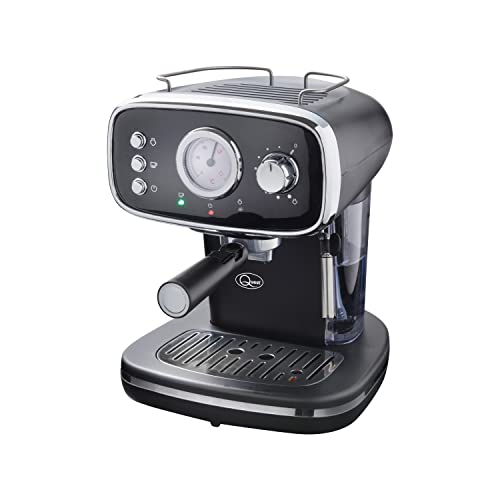
Pressure is the main ingredient in making espresso. Here's how an espresso machine operates: a heating device is used to heat water to a suitable temperature before forcing it through the grounds and out the spouts.
 Temperature
Espresso is produced by pushing hot water under pressure through finely ground coffee beans. The temperature of water is vital to the final shot. Temperatures that are too low can result in a lack of flavor compounds. High temperatures cause over extraction, which can result in a bitter or burnt taste.
The ideal temperature range for espresso is between 195 and 205 degF. This temperature can be achieved by using a grouphead that is designed to maintain the same temperature and stability throughout the process of brewing. The E61 is the most popular group head as it provides temperature stability, pre-infusion capabilities, and lever control.
When adjusting the espresso machine for different roasts and brew ratios, it is crucial to take into consideration the impact of temperature on the extraction yield and crema. The optimal temperature will depend on the particular roast and beans but the general rule is that lighter roasts and higher ratios of brews require higher temperatures than dark roasts and lower brew ratios. A good thermocouple is vital to maintain an even temperature.
Pressure
In the process of brewing, espresso machine coffee (www.golf-Kleinanzeigen.De) is pressure-pushed through finely ground and tamped grounds. This causes chemical reactions that extract flavors, oils and other soluble components. The resultant drink is usually richer and more flavorful than regular coffee.
The ideal espresso machine's pressure is nine bars of pressure which is equal to the atmospheric pressure at sea level. This is due to the fact that it's at this level that the soluble compounds in espresso beans are the easiest to extract.
Some espresso machines boast up to 20 bar of pressure. While these machines may reach these pressure levels however, they may not be capable of maintaining the pressure level throughout the extraction.
To put that in perspective To put it in perspective, one bar of pressure equals 32 pounds per square inch, or PSI, of a car tire. It's four times the pressure a professional cyclist utilizes to fill their bike tires. Any serious home barista needs to be able control the pressure of their top espresso machines machine and produce consistent espressos.
Water
Water is an essential component in a good cup of espresso. The right water can assist your beans in reaching their full potential. Using the wrong type of water can cause problems like clogged pipes or even damage your expensive espresso machine.
For the best extraction of espresso You should select an untreated natural spring with a high mineral content. This water will elevate the flavor of your espresso without the chalky mineral trace that comes from tap or bottled waters. This is a great alternative to distilled water or reverse osmosis, which can be too filtered and cause problems with flavor.
But, you shouldn't use a water filter that removes too many minerals from the tap water, because this could cause extraction and flavor issues. Get a water test kit to determine the average hardness of the water you drink in your area. This can then be used to locate an filtration system that can give you the correct water specifications for your espresso machine.
Beans
Most coffee aficionados tend to become very involved in the whole process of making espresso. They obsess over a variety of variables, like temperature, pressure in the water and viscosity. If one factor is slightly off, the entire shot might taste bad.
The most important factor in the matter of espresso is the beans used. People generally believe that only certain types of beans are suited for espresso. While some beans are suitable for specific uses but any coffee bean can be used to make espresso. The difference between mini espresso machine beans and regular coffee beans is that espresso beans are roasted longer, tipycally past the second crack and give them a darker appearance and makes them more soluble in water.
The best espresso beans are typically medium roasted or dark roasted. This gives the shots their characteristic richness and vigor. However, it is also possible to make great espresso using light roast beans, particularly if these beans are ground (for convenience in the espresso machine).
Milk
Espresso and milk is a timeless combination. The coffee doesn't just boost energy levels, but the steaming milk helps balance the bitterness of the espresso and adds a delicious creamy flavor. This is one of the best culinary pairings!
If you choose to buy an espresso machine that also has the ability to make cappuccino or lattes make sure to take a look at how simple it is to use. Many of the best machines come with a jug for hot or cold milk as well as steam wand. They also come with a portafilter to pull the shot. Certain models have a built-in grinder, tamper, and frother.
The steam wand should be purged before making use of it for the first time each day (or after every cup of espresso) to eliminate any water that has condensed. This process takes about 30 seconds and is crucial to keep your machine operating smoothly. If you don't flush this process, it could lead to bitter taste and/or buildup of bacteria that can alter the taste or smell of your beverage. It's simple to do and should be a part of your routine maintenance.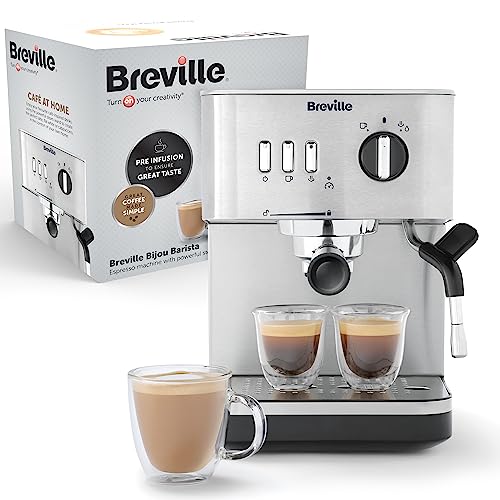
An espresso machine can produce an excellent cup of coffee, but it takes some extra setup and maintenance than a standard drip coffee maker. It also requires you to grind and tap your own beans.
Pressure is the main ingredient in making espresso. Here's how an espresso machine operates: a heating device is used to heat water to a suitable temperature before forcing it through the grounds and out the spouts.
TemperatureEspresso is produced by pushing hot water under pressure through finely ground coffee beans. The temperature of water is vital to the final shot. Temperatures that are too low can result in a lack of flavor compounds. High temperatures cause over extraction, which can result in a bitter or burnt taste.
The ideal temperature range for espresso is between 195 and 205 degF. This temperature can be achieved by using a grouphead that is designed to maintain the same temperature and stability throughout the process of brewing. The E61 is the most popular group head as it provides temperature stability, pre-infusion capabilities, and lever control.
When adjusting the espresso machine for different roasts and brew ratios, it is crucial to take into consideration the impact of temperature on the extraction yield and crema. The optimal temperature will depend on the particular roast and beans but the general rule is that lighter roasts and higher ratios of brews require higher temperatures than dark roasts and lower brew ratios. A good thermocouple is vital to maintain an even temperature.
Pressure
In the process of brewing, espresso machine coffee (www.golf-Kleinanzeigen.De) is pressure-pushed through finely ground and tamped grounds. This causes chemical reactions that extract flavors, oils and other soluble components. The resultant drink is usually richer and more flavorful than regular coffee.
The ideal espresso machine's pressure is nine bars of pressure which is equal to the atmospheric pressure at sea level. This is due to the fact that it's at this level that the soluble compounds in espresso beans are the easiest to extract.
Some espresso machines boast up to 20 bar of pressure. While these machines may reach these pressure levels however, they may not be capable of maintaining the pressure level throughout the extraction.
To put that in perspective To put it in perspective, one bar of pressure equals 32 pounds per square inch, or PSI, of a car tire. It's four times the pressure a professional cyclist utilizes to fill their bike tires. Any serious home barista needs to be able control the pressure of their top espresso machines machine and produce consistent espressos.
Water
Water is an essential component in a good cup of espresso. The right water can assist your beans in reaching their full potential. Using the wrong type of water can cause problems like clogged pipes or even damage your expensive espresso machine.
For the best extraction of espresso You should select an untreated natural spring with a high mineral content. This water will elevate the flavor of your espresso without the chalky mineral trace that comes from tap or bottled waters. This is a great alternative to distilled water or reverse osmosis, which can be too filtered and cause problems with flavor.
But, you shouldn't use a water filter that removes too many minerals from the tap water, because this could cause extraction and flavor issues. Get a water test kit to determine the average hardness of the water you drink in your area. This can then be used to locate an filtration system that can give you the correct water specifications for your espresso machine.
Beans
Most coffee aficionados tend to become very involved in the whole process of making espresso. They obsess over a variety of variables, like temperature, pressure in the water and viscosity. If one factor is slightly off, the entire shot might taste bad.
The most important factor in the matter of espresso is the beans used. People generally believe that only certain types of beans are suited for espresso. While some beans are suitable for specific uses but any coffee bean can be used to make espresso. The difference between mini espresso machine beans and regular coffee beans is that espresso beans are roasted longer, tipycally past the second crack and give them a darker appearance and makes them more soluble in water.
The best espresso beans are typically medium roasted or dark roasted. This gives the shots their characteristic richness and vigor. However, it is also possible to make great espresso using light roast beans, particularly if these beans are ground (for convenience in the espresso machine).
Milk
Espresso and milk is a timeless combination. The coffee doesn't just boost energy levels, but the steaming milk helps balance the bitterness of the espresso and adds a delicious creamy flavor. This is one of the best culinary pairings!
If you choose to buy an espresso machine that also has the ability to make cappuccino or lattes make sure to take a look at how simple it is to use. Many of the best machines come with a jug for hot or cold milk as well as steam wand. They also come with a portafilter to pull the shot. Certain models have a built-in grinder, tamper, and frother.
The steam wand should be purged before making use of it for the first time each day (or after every cup of espresso) to eliminate any water that has condensed. This process takes about 30 seconds and is crucial to keep your machine operating smoothly. If you don't flush this process, it could lead to bitter taste and/or buildup of bacteria that can alter the taste or smell of your beverage. It's simple to do and should be a part of your routine maintenance.
댓글목록
등록된 댓글이 없습니다.