
Web Banner What's The Current Job Market For Stationary Bike Exercise Professiona…
페이지 정보
작성자 Trina 댓글 0건 조회 134회 작성일 25-03-04 03:53본문
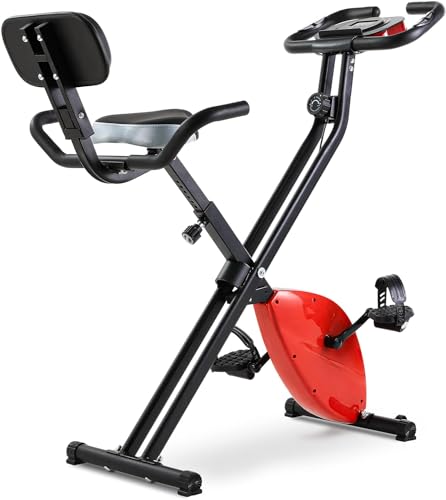 The Power of Stationary Bike Exercise
In the busy world these days, preserving a healthy lifestyle can frequently appear like an obstacle. One reliable and easily available service to this problem is the stationary bicycle. Whether you're a newbie or an experienced athlete, stationary bicycles offer a flexible, low-impact, and efficient way to remain fit. This post checks out the benefits, proper methods, and common concerns surrounding stationary bike exercise, providing readers with a detailed guide to integrating this type of workout into their routine.
Benefits of Stationary Bike Exercise
Cardiovascular Health
Stationary biking is an excellent cardiovascular exercise. It assists improve heart health by increasing heart rate and boosting lung capacity. Routine usage can decrease the danger of heart illness, lower high blood pressure, and enhance cholesterol levels.
Weight Management
Cycling on a stationary bike burns calories and assists in weight loss. A 30-minute session can burn in between 200 and 300 calories, depending on the strength and resistance settings. It is likewise a sustainable form of exercise, making it easier to preserve over the long term.
Low Impact
Unlike running or high-impact sports, stationary biking is mild on the joints. This makes it an ideal option for people with knee, hip, or back problems. It is also ideal for older grownups and those recuperating from injuries.
Muscle Toning
Regular use of a stationary bike can help tone and strengthen numerous muscle groups, consisting of the quadriceps, hamstrings, calves, and glutes. By adjusting the resistance, you can focus on different muscle locations and even engage your core and upper body.
Mental Health
Exercise, in basic, is known to enhance mental health, and stationary biking is no exception. It launches endorphins, which are natural state of mind lifters, and can help in reducing stress, anxiety, and depression. The repetitive movement of pedaling can also have a meditative impact.
Convenience
Among the most considerable advantages of stationary bicycles is their convenience. You can utilize them in your home, at the health club, or even in a hotel room while traveling. This eliminates the requirement for special equipment or climate condition, making it much easier to stick to a routine exercise routine.
Appropriate Techniques for Stationary Bike Exercise
To take full advantage of the benefits and prevent injuries, it's important to use the stationary bike correctly. Here are some essential methods:
Change the Bike
Seat Height: The seat ought to be at a height where your legs are nearly completely extended at the bottom of the pedal stroke, with a slight bend in the knee.
Handlebar Position: The handlebars need to be gotten used to a comfy height, normally somewhat higher or Stationary Bike Exercise lower than the seat, depending upon your choice.
Pedal Straps: If your bike has them, use the pedal straps to keep your feet firmly in place.
Warm-Up and Cool-Down
Warm-Up: Begin with a 5-10 minute low-intensity pedaling to warm up your muscles and prepare your body for the good exercise bicycle.
Cool-Down: End your session with a 5-10 minute low-intensity pedaling to gradually reduce your heart rate and cool off your muscles.
Pedaling Technique
Smooth Pedaling: Focus on a smooth, even pedaling motion. Prevent bouncing or jerking your body, as this can cause muscle stress.
Resistance: Adjust the resistance to challenge your muscles without overexerting yourself. A moderate resistance is normally sufficient for a lot of workouts.
Hydration and Safety
Stay Hydrated: Drink water before, during, and after your workout to stay hydrated.
Safety: Ensure the bike is stable and safe before beginning. Use a towel or mat to secure the seat and handlebars from sweat.
Incorporating Stationary Bike Exercise into Your Routine
Consistency
Frequency: Aim for a minimum of 3-5 sessions each week, depending upon your fitness goals and schedule.
Period: Start with much shorter sessions (20-30 minutes) and slowly increase the duration as your endurance improves.
Variety
Workout Types: Mix up your workouts to keep them fascinating. Attempt interval training, hill climbs, or steady-state cycling.
Classes and Apps: Join virtual biking classes or use fitness apps to stay determined and track your development.
Progressive Overload
Boost Intensity: Gradually increase the intensity of your exercises by including more resistance or increasing the period.
Set Goals: Set sensible objectives and work towards attaining them. This can help you remain motivated and see tangible outcomes.
Combine with Other Exercises
Cross-Training: Combine stationary bike exercises with other types of exercise, such as strength training, yoga, Stationary Bike Exercise or swimming, to create a well-rounded fitness regimen.
Typical FAQs
Q: Is stationary cycling as reliable as outdoor biking?
A: While outside cycling uses the added challenge of differing surface and wind resistance, stationary biking is still extremely effective. It supplies a regulated environment where you can focus on specific muscle groups and preserve a consistent strength. Both types of cycling deal substantial cardiovascular and muscular benefits.
Q: How many calories can I burn on a stationary bike?
A: The variety of calories burned depends on elements such as duration, intensity, and resistance. Usually, a 30-minute session can burn between 200 and 300 calories. High-intensity interval training (HIIT) can increase this number substantially.
Q: Is stationary biking ideal for any ages?
A: Yes, stationary biking appropriates for individuals of any ages. It is low-impact and can be gotten used to numerous fitness levels, making it an outstanding option for older grownups, novices, and those with joint concerns.
Q: Can I do stationary biking if I have knee problems?
A: Stationary biking is typically considered a low-impact exercise bike workout, which means it is gentle on the knees. Nevertheless, it's important to adjust the bike appropriately and start with low resistance. If you experience any pain, consult a healthcare specialist.
Q: Do I need to wear unique clothes for stationary biking?
A: While you can wear any comfortable clothing, it's suggested to use moisture-wicking materials to keep you dry and comfy. If you plan to use the bike frequently, investing in cushioned biking shorts can also boost your convenience.
Tips for Beginners
Start Slow
Begin with brief, low-intensity sessions and slowly increase the period and resistance as your physical fitness improves.
Utilize the Monitor
The majority of stationary bicycles included a screen that tracks your speed, range, calories burned, and heart rate. Utilize this to set and attain your fitness goals.
Stay Hydrated
Keep a water bottle helpful and beverage regularly throughout your exercise to stay hydrated and carry out at your best.
Listen to Your Body
Take note of how your body feels. If you experience any discomfort or pain, reduce the strength or stop the exercise bikes home.
Mix It Up
To prevent monotony and plateauing, vary your exercises. Try various resistance levels, interval training, and virtual cycling classes.
Advanced Workouts
For those looking to take their stationary bike exercise to the next level, here are some advanced workouts to try:
High-Intensity Interval Training (HIIT).
Structure: Warm up for 5 minutes, then alternate between 30 seconds of high-intensity pedaling and 1 minute of low-intensity recovery. Repeat this cycle for 20-30 minutes, followed by a 5-minute cool-down.
Hill Climbs.
Structure: Start with a warm-up, then slowly increase the resistance to mimic climbing up a hill. Pedal at a moderate pace for 2-3 minutes, then reduce the resistance for a healing period of 1-2 minutes. Repeat this cycle for 20-30 minutes, followed by a cool-down.
Endurance Training.
Structure: Aim for longer, steady-state sessions of 45-60 minutes at a moderate strength. This assists build endurance and cardiovascular fitness.
Tabata Training.
Structure: Warm up for 5 minutes, then carry out 20 seconds of all-out sprinting followed by 10 seconds of rest. Repeat this cycle for 4 minutes, then cool down for 5 minutes. You can carry out numerous Tabata sets throughout your workout.
Conclusion.
Stationary bicycle exercise is a flexible and effective way to improve cardiovascular health, manage weight, tone muscles, and improve mental well-being. By following appropriate techniques, incorporating it into a consistent regimen, and attempting sophisticated exercises, you can achieve your fitness goals and delight in a healthier, more active lifestyle. Whether you're a novice or a skilled bicyclist, the stationary bike uses a low-impact, convenient, and enjoyable way to stay fit.
Additional Resources.
Fitness Apps: Explore apps like Zwift, Peloton, and MyFitnessPal for assisted workouts and development tracking.
Online Classes: Join virtual biking classes through platforms like YouTube or fitness streaming services.
Healthcare Professionals: Consult a physical therapist or personal trainer for individualized workout plans and guidance on type and strategy.
댓글목록
등록된 댓글이 없습니다.