
POP What Is Everyone Talking About Prams Right Now
페이지 정보
작성자 Lizette Haun 댓글 0건 조회 34회 작성일 24-06-26 03:55본문
What to Look For in Push Chairs and Prams
The world of push chairs and prams can be confusing. Prams have a flat seat that is designed to carry infants and babies.
Prams may also come with a carrycot or bassinet for babies. Some can be converted to an infant pushchair once the baby is older.
If you plan on using public transportation or have to fold your pushchair frequently choose a light and compact pushchair.
Comfort
Alongside nappies and bottles, your pushchair is likely be one of the most frequently used baby products you own. It is crucial to choose one that has plenty of padding and a comfortable seating position that can be adjusted to height.
It's important to note that many prams, buggies and pushchairs come with a pram blanket, which can help to keep your child warm. They are easy to clean and come in a range of colours and designs.
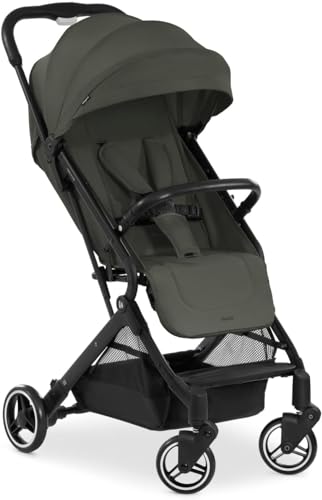 A pram is for newborns between six and six months old. age, when they are still at a stage that they need to lay flat. Often, a bassinet, or carrycot, is attached to the frame. Many prams allow the choice of 'parent facing or 'world facing. This allows you to decide if you prefer your baby to be facing you to bond with you, or to explore the sights and sounds in their environment. Some prams convert into pushchairs. For instance, the iCandy Peach 7 ? a luxurious single-to-double pushchair that can be used as early as birth with the carrycot and up to 25kg (15kg using elevators).
It is vital to remember that infants less than six months old shouldn't be transported in a pushchair that doesn't fully recline. Traveling in a crouching position can impact their breathing as they inhale more than they would normally. This could lead to respiratory issues in the long run.
A pushchair is a chair on wheels that folds, usually to a very compact size, and is generally designed towards older babies and toddlers that are around three years old. They are typically constructed from a more durable material than prams. There are models where you can change the direction the seat is facing to allow your child to face you for reassurance, or away from you to explore the world.
Safety
It is important to ensure that your child is secure in a pushchair or pram. You should never put your child in a pushchair or pram that is designed to fit their age and size. This will make them feel safe and secure, and will prevent accidents. When purchasing a second-hand stroller or pushchair it is crucial to conduct a visual safety check. This will ensure that it's in good working order and isn't damaged in any way that could pose a risk to your baby.
If you're looking for the right pram or pushchair choose one with a safety harness that includes quick and simple clips and connections. Make sure the buckles aren't loose and that the straps fit snugly around the waist of your child. Also, look for a wide base, as this will give more stability than models with narrow bases.
Avoid overloadeding your pram or pushchair with toys. This could cause the pushchair to topple over, and your baby could fall out. Don't put anything that could harm your baby in the basket, such as drinks, snacks, and toys.
Follow the instructions that are provided by the manufacturer when cleaning your pram or stroller. If you're washing the fabric or cleaning the hood, always dry it thoroughly outdoors to prevent any mould or mildew developing.
If your pushchair or pram features a footmuff that is removable, it's a good idea to wash it before you use it again in winter. It's as simple as taking off the fabric and washing it with cool soapy water and allowing it to air dry outside. It's also recommended to scrub any dirt or mud off the wheels and axles.
Experts suggest that babies lay flat in a pushchair or pram as early as they can. This will aid their development and reduce back problems later on in life.
Under the General Product Safety Regulations of 2005, retailers and manufacturers are required to supply products that are safe for normal or reasonably predictable use. This applies to new and second-hand prams and strollers.
Style
Some parents are looking for the most functional set-up of wheels they can get however, many parents want a pram that is as stylish as their baby. There are a lot of high-end prams and pushchairs on the market that combine high-end engineering with fetching designs that are as eye-catching as they are practical.
The first thing to consider when selecting a pushchair or pram is the padding and adjustable options. A pushchair that is simple to clean is crucial for babies, who are often messy. This is especially important if you plan to take long walks in rough terrain or over dirt, gravel and cobbles. Search for a pushchair that has removable seat covers and recline mechanisms that can be machine-washed. Make sure the fabric is also breathable to keep your baby comfortable and dry.
It is also important to consider the direction your baby will be facing in their pushchair. Most pushchairs "from birth" allow you to change the seat from parent facing (facing towards the parent for bonding and reassurance) or facing the world to allow your child to explore the world around them. Some prams also have this option, however it's not a requirement for all models.
Combination prams are also known as 3-in-1 prams. They are popular with families since they can fit a bassinet basket on the same frame. They are designed to be used from birth, and are suitable for children from six months old to.
A travel system is similar to a combination stroller in that it permits you to attach car seats to the frame using adaptors. They are perfect for babies and toddlers from birth to three years old and are less expensive than purchasing separate items.
Twin prams or pushchairs are a excellent option for twins or siblings of similar age who require transport in a safe and comfortable manner. These are available in many styles and are able to be fitted with either one car seat or a double.
Stores
A pushchair or pram should not only be safe and comfortable for your child, but provide ample storage space for all of the essentials. Find models with an ample shopping basket that can hold all of your baby's necessities, such as spare clothes, changing equipment, bottles of water and even snacks. Some models also have the child's or parent facing pushchair's compartment, which is ideal for storing all of your personal things. If you want a pram that has more storage and storage space, consider a pushchair that has different configurations. The extra space is crucial, especially if you plan to take your child on long walks or leave home.
Maneuvrability is an additional feature to take into consideration. Pick swivels wheels that can navigate narrow passageways easily. Also, look for locking brakes with a responsive stopping power. If you're considering an ultra-lightweight model, make sure that it has the appropriate suspension system and foldable dimensions for simple storage and transport. If you're looking to buy something more robust for off-road use, pick a model with sturdy all-terrain tires that can be able to handle the rougher terrain.
The main difference between a pram and pushchair is that a pram provides a lie-flat sleeping position for infants, while pushing chairs are more suited to older babies and toddlers who can sit up on their own. Some prams convert into pushchairs by taking out the bassinet and replacing it with a seat for an adult. Other models such as the Bababing Raffi Complete bundle can convert into a carrycot, or car seat.
Whichever type of pushchair or pram you choose, be sure to read reviews online and seek recommendations from your family and friends. If you can, test drive a few options before making your choice to get an impression of how they feel, how they fold, and how heavy they are. Consider a convertible vehicle, that can be used by one or two kids. This will save you money by not having to buy a new set of wheels every time your child grows.
The world of push chairs and prams can be confusing. Prams have a flat seat that is designed to carry infants and babies.
Prams may also come with a carrycot or bassinet for babies. Some can be converted to an infant pushchair once the baby is older.
If you plan on using public transportation or have to fold your pushchair frequently choose a light and compact pushchair.
Comfort
Alongside nappies and bottles, your pushchair is likely be one of the most frequently used baby products you own. It is crucial to choose one that has plenty of padding and a comfortable seating position that can be adjusted to height.
It's important to note that many prams, buggies and pushchairs come with a pram blanket, which can help to keep your child warm. They are easy to clean and come in a range of colours and designs.
A pram is for newborns between six and six months old. age, when they are still at a stage that they need to lay flat. Often, a bassinet, or carrycot, is attached to the frame. Many prams allow the choice of 'parent facing or 'world facing. This allows you to decide if you prefer your baby to be facing you to bond with you, or to explore the sights and sounds in their environment. Some prams convert into pushchairs. For instance, the iCandy Peach 7 ? a luxurious single-to-double pushchair that can be used as early as birth with the carrycot and up to 25kg (15kg using elevators).It is vital to remember that infants less than six months old shouldn't be transported in a pushchair that doesn't fully recline. Traveling in a crouching position can impact their breathing as they inhale more than they would normally. This could lead to respiratory issues in the long run.
A pushchair is a chair on wheels that folds, usually to a very compact size, and is generally designed towards older babies and toddlers that are around three years old. They are typically constructed from a more durable material than prams. There are models where you can change the direction the seat is facing to allow your child to face you for reassurance, or away from you to explore the world.
Safety
It is important to ensure that your child is secure in a pushchair or pram. You should never put your child in a pushchair or pram that is designed to fit their age and size. This will make them feel safe and secure, and will prevent accidents. When purchasing a second-hand stroller or pushchair it is crucial to conduct a visual safety check. This will ensure that it's in good working order and isn't damaged in any way that could pose a risk to your baby.
If you're looking for the right pram or pushchair choose one with a safety harness that includes quick and simple clips and connections. Make sure the buckles aren't loose and that the straps fit snugly around the waist of your child. Also, look for a wide base, as this will give more stability than models with narrow bases.
Avoid overloadeding your pram or pushchair with toys. This could cause the pushchair to topple over, and your baby could fall out. Don't put anything that could harm your baby in the basket, such as drinks, snacks, and toys.
Follow the instructions that are provided by the manufacturer when cleaning your pram or stroller. If you're washing the fabric or cleaning the hood, always dry it thoroughly outdoors to prevent any mould or mildew developing.
If your pushchair or pram features a footmuff that is removable, it's a good idea to wash it before you use it again in winter. It's as simple as taking off the fabric and washing it with cool soapy water and allowing it to air dry outside. It's also recommended to scrub any dirt or mud off the wheels and axles.
Experts suggest that babies lay flat in a pushchair or pram as early as they can. This will aid their development and reduce back problems later on in life.
Under the General Product Safety Regulations of 2005, retailers and manufacturers are required to supply products that are safe for normal or reasonably predictable use. This applies to new and second-hand prams and strollers.
Style
Some parents are looking for the most functional set-up of wheels they can get however, many parents want a pram that is as stylish as their baby. There are a lot of high-end prams and pushchairs on the market that combine high-end engineering with fetching designs that are as eye-catching as they are practical.
The first thing to consider when selecting a pushchair or pram is the padding and adjustable options. A pushchair that is simple to clean is crucial for babies, who are often messy. This is especially important if you plan to take long walks in rough terrain or over dirt, gravel and cobbles. Search for a pushchair that has removable seat covers and recline mechanisms that can be machine-washed. Make sure the fabric is also breathable to keep your baby comfortable and dry.
It is also important to consider the direction your baby will be facing in their pushchair. Most pushchairs "from birth" allow you to change the seat from parent facing (facing towards the parent for bonding and reassurance) or facing the world to allow your child to explore the world around them. Some prams also have this option, however it's not a requirement for all models.
Combination prams are also known as 3-in-1 prams. They are popular with families since they can fit a bassinet basket on the same frame. They are designed to be used from birth, and are suitable for children from six months old to.
A travel system is similar to a combination stroller in that it permits you to attach car seats to the frame using adaptors. They are perfect for babies and toddlers from birth to three years old and are less expensive than purchasing separate items.
Twin prams or pushchairs are a excellent option for twins or siblings of similar age who require transport in a safe and comfortable manner. These are available in many styles and are able to be fitted with either one car seat or a double.
Stores
A pushchair or pram should not only be safe and comfortable for your child, but provide ample storage space for all of the essentials. Find models with an ample shopping basket that can hold all of your baby's necessities, such as spare clothes, changing equipment, bottles of water and even snacks. Some models also have the child's or parent facing pushchair's compartment, which is ideal for storing all of your personal things. If you want a pram that has more storage and storage space, consider a pushchair that has different configurations. The extra space is crucial, especially if you plan to take your child on long walks or leave home.
Maneuvrability is an additional feature to take into consideration. Pick swivels wheels that can navigate narrow passageways easily. Also, look for locking brakes with a responsive stopping power. If you're considering an ultra-lightweight model, make sure that it has the appropriate suspension system and foldable dimensions for simple storage and transport. If you're looking to buy something more robust for off-road use, pick a model with sturdy all-terrain tires that can be able to handle the rougher terrain.
The main difference between a pram and pushchair is that a pram provides a lie-flat sleeping position for infants, while pushing chairs are more suited to older babies and toddlers who can sit up on their own. Some prams convert into pushchairs by taking out the bassinet and replacing it with a seat for an adult. Other models such as the Bababing Raffi Complete bundle can convert into a carrycot, or car seat.
Whichever type of pushchair or pram you choose, be sure to read reviews online and seek recommendations from your family and friends. If you can, test drive a few options before making your choice to get an impression of how they feel, how they fold, and how heavy they are. Consider a convertible vehicle, that can be used by one or two kids. This will save you money by not having to buy a new set of wheels every time your child grows.
댓글목록
등록된 댓글이 없습니다.