
POP 15 Reasons Why You Shouldn't Be Ignoring Drip Coffee
페이지 정보
작성자 Randi Amos 댓글 0건 조회 9회 작성일 24-05-14 15:49본문
Important Parts of Drip Coffee Makers
Drip coffee makers extract oils and flavors by using gravity to move hot coffee through the ground coffee. The coffee is then poured in the carafe. A properly extracted drip coffee will have a well-balanced flavor and minimal bitterness.
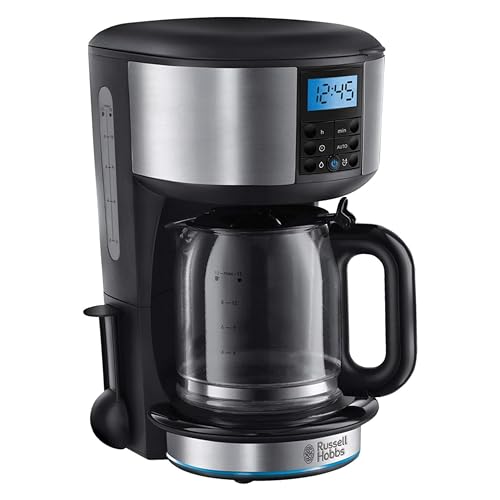 We suggest that you search for a model with a shower-like spout, and one that is easy to clean. We also like models that have carafes made from glass or thermal material, which are easy to pour and hold.
Grinder size
The grind size is important for making the perfect cup. It affects how water filters through the ground and extracts flavors and compounds. For drip brew methods, the ideal grind size is medium. The consistency of medium grind is similar to the consistency of sea salt. This guarantees that the ground particles have an even size. The type of filter used and brewing method also affect the size of the grind. For instance cone-shaped filters should be utilized with a coarser grinding. Permanent filters made of plastic or gold require a coarser grind, while paper filters are often used with pour-over brews.
The drip coffee method is a simple and popular brewing technique which makes use of heated water as a filter that flows through the coffee grounds and into a carafe or a cup below. It's a great option for filter drip coffee maker both commercial and home settings. There are several factors which can affect the taste and quality of your drip-brew. These include the size of the grind, time the water is directly in contact with the ground and the quantity of water. This section will discuss some of the most frequent problems that arise in brewing and their solutions.
The size of the grind is crucial in drip brew because it determines the way water flows through. If the grounds are too large they will not allow water to flow through them easily. This can hinder the extraction of all flavors. This can lead to less bitter or weaker drink. On the other hand, if the grounds aren't fine enough they will not be able to filter drip coffee maker out the flavor.
The ideal grind size for drip coffee makers is a medium grind, which is usually achieved using burr grinders. This type of grinder is used to grind the beans between two burrs to create a consistent and uniform grind. However other types of grinders can be used for grinding, such as blenders or food processors but they will be more difficult to achieve the desired consistency. It is recommended to play around with different sizes of grinders to find the most suitable one for your coffee maker.
Filter type
The filter you use in your machine can influence the taste of the coffee. Paper filters are the most popular, but there are also metal and cloth options. Each type of filter has its own advantages. It's important to choose the one that is most suitable to your lifestyle and taste preferences. Each filter has a distinct impact on the process of brewing, making it worthwhile to learn about the various types of filters.
Paper filters are the most common option for drip coffee machines due to the fact that they are affordable and easily disposed of. They also help trap more oil and coffee particles which can improve the flavor of your coffee. You can pick between unbleached or bleached paper filters that are both environmentally sustainable. The only difference between the two filters is that unbleached filters do not made from chlorine which is harmful to the environment.
If you're looking for a longer-lasting solution, consider using a metal or cloth filter for your drip coffee maker. These filters have larger openings, which allows the coffee granules to move through more easily. This can result in a richer, more full-bodied flavor. It's important to remember that coffee brewed with cloth or metal filter may be more sloppy in the bottom of the carafe.
In a drip coffee maker, the water is heated in a reservoir before it is poured over ground coffee. The hot water is then poured through the grounds of coffee into a pot under the filter. The resulting brew is then dispersed into the glass or thermal carafe that keeps the coffee warm until ready to serve.
This kind of coffee maker is simple to operate and inexpensive. It's also fast, allowing you brew coffee in less than five minutes. This is perfect for people who are looking for coffee quickly in the morning or during a busy day at work. This is an excellent option for those who need to make multiple cups of coffee at once. You can also make iced coffee using drip coffee makers.
Heating element
When it is about coffee makers, the heating element is among the most important components. It is responsible for heating the water to the right temperature so that it can be dripped into the filter basket before it begins brewing. The heating element is composed of an electric coil and a heat-conducting material. It is available in a broad range of power (wattage) and configurations. The coil is usually enclosed in a copper or incoloy jacket to keep short circuits from occurring and prevent other malfunctions.
The heating element is located on the left side of the coffee maker's base. It has a hole in the center that lets water flow into it. It then flows through a one-way valve into an aluminum tube. The heating element in the resistive is used to heat the tube which causes water to expand. The water is then directed up a white tube towards the showerhead and the drip area. The water inside the tube is then dripped onto ground coffee beans.
When the coffee grounds travel over the hot water, they absorb flavor and aroma compounds. The hot water releases coffee oils, which are then absorbed into the beverage. This is the reason why drip coffee makers are able to make a fantastic cup of Joe.
In addition to the heating element, drip coffee makers also have several other components that ensure the machine is operating correctly. They include a switch sensors, fuses, and. The switch turns the heating element off and on, while the fuses and sensors guard the heating element from overheating. The sensors determine when the coil is too hot and cut the current. The sensors will then reconnect the current to the coil once it cools.
The majority of modern drip coffee machines come with a carafe to take the coffee that drips. Some models allow pouring the coffee directly into a cup or mug. The carafe is often constructed of glass, stainless steel or a different material. In addition, it has an element of heating to keep the coffee warm after making it.
Filter basket
The coffee filter basket is an essential part of the drip-style coffee maker which allows gravity to flow water through ground coffee, resulting in the brewing. The brewed beverage is then poured into the carafe, or cup. The filter can be constructed of a variety of different materials, including paper or metal. It can also be bleached or unbleached, with the latter being better for the environment. The choice of filter should depend on the brewing method and the desired flavor profile. Pour-over brewers for instance must control the flow rate of water this is the reason cone filters are a great alternative.
A recent study conducted by the Specialty Coffee Association (SCA) and Breville found that the shape of the coffee filter can influence the flavor of the brewed cup. The study compared cone and basket filters, but kept all other variables in the same manner. The results indicated that cone filters create an even more complex and rich flavor profile than basket filters.
Coffee enthusiasts have been debating for years the effect that the shape of the filter has on the final taste and the quality of the cup. While this may not be obvious to casual consumers, it is important for anyone who is concerned about the quality of their brew. The shape of the coffee filter & drip coffee can influence the flow of water and the taste of a cup.
Despite the fact that both types of filters can be used in a coffee maker the filter you select will depend on your preference for brewing style. Pour-over brewing techniques like Chemex and Hario V60 are best suited for cone filters that give you more control over the water flow. In addition basket filters are the most popular choice for drip coffee makers.
A dirty filter can lead to overflowing and clogging of the brew basket which results in weaker-tasting coffee. You can prevent this from happening by regularly cleaning your filter. White vinegar and hot water are the ideal cleaning solution. This solution is to be put into the brew basket every day. The vinegar will help remove any unwanted oils and prevent mold from growing in drip coffee makers. It is also a good idea to change the filter on a regular basis.
Drip coffee makers extract oils and flavors by using gravity to move hot coffee through the ground coffee. The coffee is then poured in the carafe. A properly extracted drip coffee will have a well-balanced flavor and minimal bitterness.
We suggest that you search for a model with a shower-like spout, and one that is easy to clean. We also like models that have carafes made from glass or thermal material, which are easy to pour and hold.Grinder size
The grind size is important for making the perfect cup. It affects how water filters through the ground and extracts flavors and compounds. For drip brew methods, the ideal grind size is medium. The consistency of medium grind is similar to the consistency of sea salt. This guarantees that the ground particles have an even size. The type of filter used and brewing method also affect the size of the grind. For instance cone-shaped filters should be utilized with a coarser grinding. Permanent filters made of plastic or gold require a coarser grind, while paper filters are often used with pour-over brews.
The drip coffee method is a simple and popular brewing technique which makes use of heated water as a filter that flows through the coffee grounds and into a carafe or a cup below. It's a great option for filter drip coffee maker both commercial and home settings. There are several factors which can affect the taste and quality of your drip-brew. These include the size of the grind, time the water is directly in contact with the ground and the quantity of water. This section will discuss some of the most frequent problems that arise in brewing and their solutions.
The size of the grind is crucial in drip brew because it determines the way water flows through. If the grounds are too large they will not allow water to flow through them easily. This can hinder the extraction of all flavors. This can lead to less bitter or weaker drink. On the other hand, if the grounds aren't fine enough they will not be able to filter drip coffee maker out the flavor.
The ideal grind size for drip coffee makers is a medium grind, which is usually achieved using burr grinders. This type of grinder is used to grind the beans between two burrs to create a consistent and uniform grind. However other types of grinders can be used for grinding, such as blenders or food processors but they will be more difficult to achieve the desired consistency. It is recommended to play around with different sizes of grinders to find the most suitable one for your coffee maker.
Filter type
The filter you use in your machine can influence the taste of the coffee. Paper filters are the most popular, but there are also metal and cloth options. Each type of filter has its own advantages. It's important to choose the one that is most suitable to your lifestyle and taste preferences. Each filter has a distinct impact on the process of brewing, making it worthwhile to learn about the various types of filters.
Paper filters are the most common option for drip coffee machines due to the fact that they are affordable and easily disposed of. They also help trap more oil and coffee particles which can improve the flavor of your coffee. You can pick between unbleached or bleached paper filters that are both environmentally sustainable. The only difference between the two filters is that unbleached filters do not made from chlorine which is harmful to the environment.
If you're looking for a longer-lasting solution, consider using a metal or cloth filter for your drip coffee maker. These filters have larger openings, which allows the coffee granules to move through more easily. This can result in a richer, more full-bodied flavor. It's important to remember that coffee brewed with cloth or metal filter may be more sloppy in the bottom of the carafe.
In a drip coffee maker, the water is heated in a reservoir before it is poured over ground coffee. The hot water is then poured through the grounds of coffee into a pot under the filter. The resulting brew is then dispersed into the glass or thermal carafe that keeps the coffee warm until ready to serve.
This kind of coffee maker is simple to operate and inexpensive. It's also fast, allowing you brew coffee in less than five minutes. This is perfect for people who are looking for coffee quickly in the morning or during a busy day at work. This is an excellent option for those who need to make multiple cups of coffee at once. You can also make iced coffee using drip coffee makers.
Heating element
When it is about coffee makers, the heating element is among the most important components. It is responsible for heating the water to the right temperature so that it can be dripped into the filter basket before it begins brewing. The heating element is composed of an electric coil and a heat-conducting material. It is available in a broad range of power (wattage) and configurations. The coil is usually enclosed in a copper or incoloy jacket to keep short circuits from occurring and prevent other malfunctions.
The heating element is located on the left side of the coffee maker's base. It has a hole in the center that lets water flow into it. It then flows through a one-way valve into an aluminum tube. The heating element in the resistive is used to heat the tube which causes water to expand. The water is then directed up a white tube towards the showerhead and the drip area. The water inside the tube is then dripped onto ground coffee beans.
When the coffee grounds travel over the hot water, they absorb flavor and aroma compounds. The hot water releases coffee oils, which are then absorbed into the beverage. This is the reason why drip coffee makers are able to make a fantastic cup of Joe.
In addition to the heating element, drip coffee makers also have several other components that ensure the machine is operating correctly. They include a switch sensors, fuses, and. The switch turns the heating element off and on, while the fuses and sensors guard the heating element from overheating. The sensors determine when the coil is too hot and cut the current. The sensors will then reconnect the current to the coil once it cools.
The majority of modern drip coffee machines come with a carafe to take the coffee that drips. Some models allow pouring the coffee directly into a cup or mug. The carafe is often constructed of glass, stainless steel or a different material. In addition, it has an element of heating to keep the coffee warm after making it.
Filter basket
The coffee filter basket is an essential part of the drip-style coffee maker which allows gravity to flow water through ground coffee, resulting in the brewing. The brewed beverage is then poured into the carafe, or cup. The filter can be constructed of a variety of different materials, including paper or metal. It can also be bleached or unbleached, with the latter being better for the environment. The choice of filter should depend on the brewing method and the desired flavor profile. Pour-over brewers for instance must control the flow rate of water this is the reason cone filters are a great alternative.
A recent study conducted by the Specialty Coffee Association (SCA) and Breville found that the shape of the coffee filter can influence the flavor of the brewed cup. The study compared cone and basket filters, but kept all other variables in the same manner. The results indicated that cone filters create an even more complex and rich flavor profile than basket filters.
Coffee enthusiasts have been debating for years the effect that the shape of the filter has on the final taste and the quality of the cup. While this may not be obvious to casual consumers, it is important for anyone who is concerned about the quality of their brew. The shape of the coffee filter & drip coffee can influence the flow of water and the taste of a cup.
Despite the fact that both types of filters can be used in a coffee maker the filter you select will depend on your preference for brewing style. Pour-over brewing techniques like Chemex and Hario V60 are best suited for cone filters that give you more control over the water flow. In addition basket filters are the most popular choice for drip coffee makers.
A dirty filter can lead to overflowing and clogging of the brew basket which results in weaker-tasting coffee. You can prevent this from happening by regularly cleaning your filter. White vinegar and hot water are the ideal cleaning solution. This solution is to be put into the brew basket every day. The vinegar will help remove any unwanted oils and prevent mold from growing in drip coffee makers. It is also a good idea to change the filter on a regular basis.
댓글목록
등록된 댓글이 없습니다.