
Web Banner Nine Things That Your Parent Teach You About Bagless Self Emptying Rob…
페이지 정보
작성자 Eric 댓글 0건 조회 39회 작성일 24-04-29 02:08본문
Bagless Self Emptying Robot Vacuum
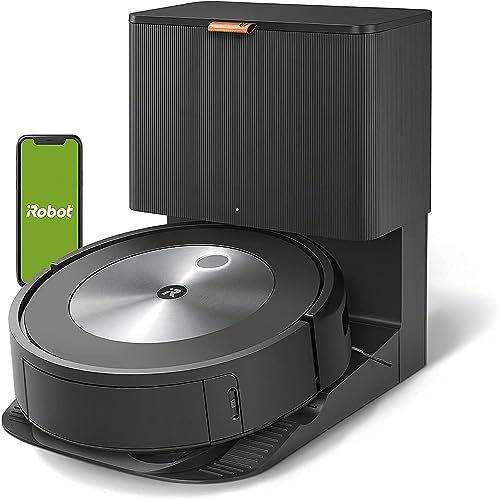 While these robot vacuums do an excellent job of picking up dust and debris from the floor, they could get snarled by toys, lamp cords and other obstacles. The dust bins need to be manually emptied every few cleaning cycles.
Self-emptying robot vacuums are able to automatically transfer their collected debris into a storage system for the interior. This is typically larger than the base, which can accommodate up to 60 days worth of trash. This feature is a great upgrade for those who live in an extensive home or who are frequently prone to messes.
Battery life
The battery life of a robot vacuum is usually measured in the number of days or cleaning sessions that it can handle on one charge. This is a great way to gauge its ability to clean. Self-emptying models also have the ability to remove dirt from the dustbins they utilize and place it into a base storage bin. This feature lets you run your robot more often without the need to empty the bin and then reload it every time you sweep.
Once the robot's dust bin is filled up, it goes back to the charging dock, where the debris is sucked up with an audible "whoosh" and then dropped into an 8-inch high base canister that houses the disposable paper bag. The canister could be filled with any variety of garbage bags, however some owners prefer the convenience and self emptying robot vacuum environmental friendliness of a dedicated bagless system.
During the mapping process the self-emptying robot's internal sensors and GPS locate your home and take a floor plan in an internal map. The robot vacuum uses the map to navigate your home, and clean rooms and floors as it goes. These robots are excellent for cleaning up messes that could be missed by other robot vacuums, like hair, dust and dirt in hard-to-reach places such as under furniture or behind the pet's bed.
These vacuums are also capable of cleaning up wet spills. This is a great feature for families with pets or children. They're also a good choice for larger homes because they can cover more ground with each sweep.
To get the most from your robot, look for an option with a big and easy-to-remove bin, as and a fast recharge time. Take into consideration the size of your house to determine how much space you will need. If you have a very large home, you may choose dual-battery models that can run continuously for up to two hours. Finally, make sure to regularly clean the rotating brushes of a robot vacuum (especially in the case of a hair-clinging breed) and wipe down the charging contacts and sensors every now and again. This will help extend the vacuum's battery life and ensure it's working at its best.
App control
A robot vacuum can help keep your home spotless, but it cannot substitute for a thorough cleaning. Before you let your robot vacuum run free make sure that the filters are clean and all cords are off the path. To ensure that your robovac is operating efficiently, you should clean the bin on a regular basis and clean the charging and sensors contact.
Utilizing navigation tools like cameras, sensors and lasers, a robotic vacuum is able to navigate your home by sucking up pet hair dust, crumbs and other debris into its dustbin from hard floors like laminate, tile and hardwood. Advanced models can create detailed maps, allowing you label different rooms or even set up virtual no-go zones. Some models can detect stairways. Others are more affordable and include boundary strips to restrict access to stairs or areas you don't want your robot to get into.
Many of the top robotic vacuums are equipped with smart features that let them connect to your smartphone or tablet for remote control, scheduling and maintenance guidelines. Certain robot vacuums are able to sync with Amazon Alexa or other digital voice assistants to give you an unidirectional experience. Others have long battery lives, quiet modes and attachments for tackling tricky spots.
A self-emptying robot vacuum is particularly useful for larger homes where it might be difficult to keep up with emptying the bin throughout the day. Once the bin is full it will stop sweeping up debris. Instead, it will drag all the debris around the base to the docking station. Certain models come with a large bagless base which can hold up to a month worth of debris. It is easy to empty it by simply dragging the debris around the base.
Some robots are also able to mop and sweep. This makes them perfect for homes that have both hard and soft surfaces. The Roborock S7 MaxV Ultra is a great example, as it is able to vacuum and mop floors effectively with its powerful engine and multi-surface cleaning system. It also comes with an onboard camera that gives you live video of the room, as well as a self emptying robot vacuum for pets-emptying mopping pad that can be cleaned within the blink of an eye.
Range
A vacuum cleaner that can empty itself without the need for a bag is an excellent option for any home, but especially large homes. It allows you to clean your home regularly without needing to empty the trash bin every time. It can also stop the release into the air of tiny particles, which is important for those with allergies.
The most effective bagless self-emptying robot vacuums are strong enough to get the job done in the majority of homes. They utilize a combination of sensors and cameras to detect obstacles and avoid them while cleaning. They also can identify and mark various areas and establish virtual "no go" zones. This will help you keep your robot away from the pet's favorite place or from the toys of your children.
Some of the more advanced models include a self-emptying feature that allows you store and remove debris. This is a great convenience for parents trying to take care of household chores in addition to an active job and children. A dock with a large storage capacity will allow you to run your robot more often and keep your home clean.
Most models can store dirt for 30 to 60 days. They are also rated on how loud they sound when they move debris to the dock. This is important for those who live in apartments and condominiums.
In general, a smaller bin will fill up faster than one that is larger, and you'll need to empty it more often. To determine the size of the bin you require and also take into account your home's size. If possible, it is recommended to select one with a larger capacity so that you can use the dustbin for longer.
A self-emptying vacuum cleaner that does not require a bag is a great choice for households with pets and children, as it can alleviate the stress of having to empty it each day. However, it is not the best choice for areas with a lot of mess such as kitchens or dining rooms. This is because it could be difficult for robots to clean these areas if they are filled with food, trash and other things.
Noise
This robot has a great navigation system that allows it to avoid obstacles that often make other vacuums tense, including tangled cords and other debris. It is also a powerful edge cleaner, and has enough suction to pull debris, dust hair, pet hair, and dirt off hardwood floors, tile or area rugs as well as carpets. It is, however, quite noisy when it is in use. It returns to its charging base once its dust bin is filled and then connects. The debris is taken away with a loud whoosh. It then resumes its programmed cleaning process.
This feature could be distracting, even though it keeps you from having to empty the tiny bins of each robot after cleaning. The sound is more loud and can wake up pets or people. You might want to think about buying a vacuum with a Quiet Mode or scheduling your robotic vacuuming sessions for when you're out of the house to be protected from the noise.
Another drawback of bagless self emptying robot vacuums is that they need regular maintenance to ensure they function correctly. This includes cutting free any pet hair that is tangled around the brushes and emptying (or washing, if permitted by the manufacturer) their dust bins. You should also clean the sensors and cameras of the robot to remove any dirt that might hinder its ability to see the home.
Some models of self-emptying bagless robot vacuums have a range of tools for cleaning and maintenance to make the job easier. You should also read the manual of the robot vacuum to know about recommended maintenance methods. They may differ from model to model.
Although this class of robot vacuums excels at routine midweek cleans but they're not a replacement for a traditional plug-in. The less expensive models may be snagged in rugs or have difficulty navigating tight spaces. However, the more expensive models are capable of locating homes and providing thorough cleaning. These robots are easy to use on smartphones and voice assistants such as Alexa and Google Assistant.
While these robot vacuums do an excellent job of picking up dust and debris from the floor, they could get snarled by toys, lamp cords and other obstacles. The dust bins need to be manually emptied every few cleaning cycles.Self-emptying robot vacuums are able to automatically transfer their collected debris into a storage system for the interior. This is typically larger than the base, which can accommodate up to 60 days worth of trash. This feature is a great upgrade for those who live in an extensive home or who are frequently prone to messes.
Battery life
The battery life of a robot vacuum is usually measured in the number of days or cleaning sessions that it can handle on one charge. This is a great way to gauge its ability to clean. Self-emptying models also have the ability to remove dirt from the dustbins they utilize and place it into a base storage bin. This feature lets you run your robot more often without the need to empty the bin and then reload it every time you sweep.
Once the robot's dust bin is filled up, it goes back to the charging dock, where the debris is sucked up with an audible "whoosh" and then dropped into an 8-inch high base canister that houses the disposable paper bag. The canister could be filled with any variety of garbage bags, however some owners prefer the convenience and self emptying robot vacuum environmental friendliness of a dedicated bagless system.
During the mapping process the self-emptying robot's internal sensors and GPS locate your home and take a floor plan in an internal map. The robot vacuum uses the map to navigate your home, and clean rooms and floors as it goes. These robots are excellent for cleaning up messes that could be missed by other robot vacuums, like hair, dust and dirt in hard-to-reach places such as under furniture or behind the pet's bed.
These vacuums are also capable of cleaning up wet spills. This is a great feature for families with pets or children. They're also a good choice for larger homes because they can cover more ground with each sweep.
To get the most from your robot, look for an option with a big and easy-to-remove bin, as and a fast recharge time. Take into consideration the size of your house to determine how much space you will need. If you have a very large home, you may choose dual-battery models that can run continuously for up to two hours. Finally, make sure to regularly clean the rotating brushes of a robot vacuum (especially in the case of a hair-clinging breed) and wipe down the charging contacts and sensors every now and again. This will help extend the vacuum's battery life and ensure it's working at its best.
App control
A robot vacuum can help keep your home spotless, but it cannot substitute for a thorough cleaning. Before you let your robot vacuum run free make sure that the filters are clean and all cords are off the path. To ensure that your robovac is operating efficiently, you should clean the bin on a regular basis and clean the charging and sensors contact.
Utilizing navigation tools like cameras, sensors and lasers, a robotic vacuum is able to navigate your home by sucking up pet hair dust, crumbs and other debris into its dustbin from hard floors like laminate, tile and hardwood. Advanced models can create detailed maps, allowing you label different rooms or even set up virtual no-go zones. Some models can detect stairways. Others are more affordable and include boundary strips to restrict access to stairs or areas you don't want your robot to get into.
Many of the top robotic vacuums are equipped with smart features that let them connect to your smartphone or tablet for remote control, scheduling and maintenance guidelines. Certain robot vacuums are able to sync with Amazon Alexa or other digital voice assistants to give you an unidirectional experience. Others have long battery lives, quiet modes and attachments for tackling tricky spots.
A self-emptying robot vacuum is particularly useful for larger homes where it might be difficult to keep up with emptying the bin throughout the day. Once the bin is full it will stop sweeping up debris. Instead, it will drag all the debris around the base to the docking station. Certain models come with a large bagless base which can hold up to a month worth of debris. It is easy to empty it by simply dragging the debris around the base.
Some robots are also able to mop and sweep. This makes them perfect for homes that have both hard and soft surfaces. The Roborock S7 MaxV Ultra is a great example, as it is able to vacuum and mop floors effectively with its powerful engine and multi-surface cleaning system. It also comes with an onboard camera that gives you live video of the room, as well as a self emptying robot vacuum for pets-emptying mopping pad that can be cleaned within the blink of an eye.
Range
A vacuum cleaner that can empty itself without the need for a bag is an excellent option for any home, but especially large homes. It allows you to clean your home regularly without needing to empty the trash bin every time. It can also stop the release into the air of tiny particles, which is important for those with allergies.
The most effective bagless self-emptying robot vacuums are strong enough to get the job done in the majority of homes. They utilize a combination of sensors and cameras to detect obstacles and avoid them while cleaning. They also can identify and mark various areas and establish virtual "no go" zones. This will help you keep your robot away from the pet's favorite place or from the toys of your children.
Some of the more advanced models include a self-emptying feature that allows you store and remove debris. This is a great convenience for parents trying to take care of household chores in addition to an active job and children. A dock with a large storage capacity will allow you to run your robot more often and keep your home clean.
Most models can store dirt for 30 to 60 days. They are also rated on how loud they sound when they move debris to the dock. This is important for those who live in apartments and condominiums.
In general, a smaller bin will fill up faster than one that is larger, and you'll need to empty it more often. To determine the size of the bin you require and also take into account your home's size. If possible, it is recommended to select one with a larger capacity so that you can use the dustbin for longer.
A self-emptying vacuum cleaner that does not require a bag is a great choice for households with pets and children, as it can alleviate the stress of having to empty it each day. However, it is not the best choice for areas with a lot of mess such as kitchens or dining rooms. This is because it could be difficult for robots to clean these areas if they are filled with food, trash and other things.
Noise
This robot has a great navigation system that allows it to avoid obstacles that often make other vacuums tense, including tangled cords and other debris. It is also a powerful edge cleaner, and has enough suction to pull debris, dust hair, pet hair, and dirt off hardwood floors, tile or area rugs as well as carpets. It is, however, quite noisy when it is in use. It returns to its charging base once its dust bin is filled and then connects. The debris is taken away with a loud whoosh. It then resumes its programmed cleaning process.
This feature could be distracting, even though it keeps you from having to empty the tiny bins of each robot after cleaning. The sound is more loud and can wake up pets or people. You might want to think about buying a vacuum with a Quiet Mode or scheduling your robotic vacuuming sessions for when you're out of the house to be protected from the noise.
Another drawback of bagless self emptying robot vacuums is that they need regular maintenance to ensure they function correctly. This includes cutting free any pet hair that is tangled around the brushes and emptying (or washing, if permitted by the manufacturer) their dust bins. You should also clean the sensors and cameras of the robot to remove any dirt that might hinder its ability to see the home.
Some models of self-emptying bagless robot vacuums have a range of tools for cleaning and maintenance to make the job easier. You should also read the manual of the robot vacuum to know about recommended maintenance methods. They may differ from model to model.
Although this class of robot vacuums excels at routine midweek cleans but they're not a replacement for a traditional plug-in. The less expensive models may be snagged in rugs or have difficulty navigating tight spaces. However, the more expensive models are capable of locating homes and providing thorough cleaning. These robots are easy to use on smartphones and voice assistants such as Alexa and Google Assistant.
댓글목록
등록된 댓글이 없습니다.