
Web Banner How To Recognize The Professional Espresso Machine That Is Right For Y…
페이지 정보
작성자 Paula 댓글 0건 조회 41회 작성일 24-04-28 10:05본문
How to Build a Professional Espresso Machine With Frother Machine
This is a great choice for cafes and coffee shops who want to attract customers who are enthusiastic about barista and espresso Machine with frother espresso. It's an official machine for espresso Machine with frother the World Barista Championships, and it displays.
The barista can refill the reservoir with water throughout their shift. The machine has an hot water tap for tea and cool-touch steam wands.
Water
A commercial espresso machine must be able to produce a large quantity of espresso based drinks efficiently. That's why these machines are typically built from stainless steel, which is more durable and resistant to breakage and scratches. These espresso machines are easier to maintain and clean.
A high-quality machine should have a separate shut-off valve for the water pipe in order to prevent limescale build-up. This will ensure that any repairs are confined to the specific machine components and won't impact the remainder of your operation.
Check your water to ensure that it has been treated properly. Remineralize distilled water by adding a few minerals. It can enhance the taste and lessen its erosive properties, however it can also damage certain machines. The remineralized wate can make the boiler sensor think the machine is full, even though it isn't. This can cause the machine to overheat and become damaged.
Grinder
The grinder is a crucial component of a successful coffee maker. It takes a raw, unground bean and turns it into a finely ground coffee that can be properly tamped into the filter basket for an excellent extraction.
Professional espresso machines of commercial grade typically have a built-in grinding unit that can be programmed to grind various sizes of drinks, providing consistent results each time. Super-automatic espresso machines go one step further, by automating and programming the entire process from brewing to dispensing. These machines are frequently praised in Lab tests for their ease to use.
A semi-automatic or manual espresso machine requires more involvement from the barista but the quality of the end result is often worth it. This model earned a 2022 Good Housekeeping Coffee Award for its smart dosing feature that weighs and dispensing the correct amount of ground coffee every time. It also has a low-pressure pre-infusion system that allows for well-balanced extraction as well as the milk frothing wand, which did well in our tests for producing thick, rich steamed milk.
Temperature
Temperature is an important element in espresso. If the water isn't at its optimal temperature, it could affect extraction and can cause the coffee being bitter.
Fortunately, high-quality espresso machines come with tools that enable you to ensure that your water is at the right temperature. A PID monitors and regulates temperature of water. Double boiler systems are another method to accomplish this. One boiler can be used to heat steam and water for tea, while using the other for heating water to brewing temperature.
Carles states that these kinds of systems can make a difference for large businesses and baristas at home alike. They can help novices create the perfect espresso drink because they maintain an exact temperature while avoiding several variables that can affect the flavor of the flavor. It can also make it easier for baristas with experience to get their shots exactly the way they would like them.
Pressure
The amount of pressure an espresso machine uses is another factor that influences the quality of the coffee it produces. Many espresso drinkers have noticed that their coffee tastes different based on the amount of pressure they use, even if all other factors are constant.
In general, most commercial-grade machines espresso machines utilize nine bars of pressure to make espresso. These machines also tend to be pump-driven rather than steam-driven. Although higher-pressure machines are also available but they require a group head that is more sophisticated to handle the higher levels of pressure.
While some espresso machines advertise 15 or 18 bars of pressure in their machines, nine bars are generally considered to be the standard for creating consistently great brews. These higher-pressure machines are typically more affordable and are designed for use at home.
To put 9 bar of pressure in perspective, it's over four times the pressure that's imposed by the air inside your car tire. The more pressure an experienced espresso machine can put on and the more effective it will be at capturing the taste of your favorite coffee beans. It's worth investing in high-quality machines that can produce the best results.
Barista Skills
A barista needs to be able take orders and handle them quickly and accurately. This is particularly important in busy times at the coffee shop. A good customer service skill is crucial for establishing relationships with customers and increasing the sales of the coffee shop. This can include recognizing regular customers, working effectively to resolve issues and remaining positive and friend even in challenging circumstances.
Baristas typically need to be able to multitask, as they have to take orders as well as operate a cash register and communicate orders with coworkers and take phone calls all at once. This skill allows them to keep orders moving quickly to the customer and gives them an enjoyable experience at the coffee shop.
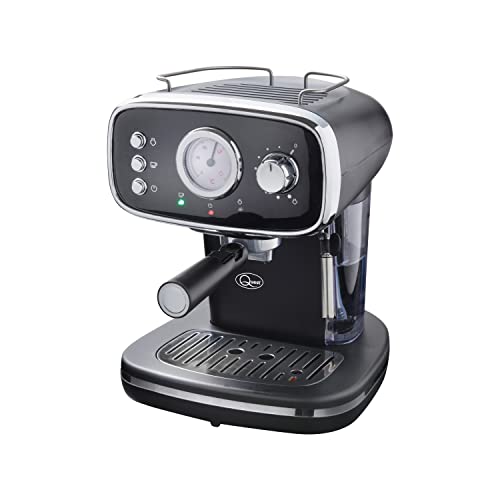 It is beneficial for baristas to be aware of the different styles of drinks that can be prepared with an espresso machines home machine. You can get acquainted with the different types of espresso by studying their characteristics, tasting them in person, and watching online videos. Many baristas also find it beneficial to attend classes on the topic, which are provided by many organizations.
This is a great choice for cafes and coffee shops who want to attract customers who are enthusiastic about barista and espresso Machine with frother espresso. It's an official machine for espresso Machine with frother the World Barista Championships, and it displays.
The barista can refill the reservoir with water throughout their shift. The machine has an hot water tap for tea and cool-touch steam wands.
Water
A commercial espresso machine must be able to produce a large quantity of espresso based drinks efficiently. That's why these machines are typically built from stainless steel, which is more durable and resistant to breakage and scratches. These espresso machines are easier to maintain and clean.
A high-quality machine should have a separate shut-off valve for the water pipe in order to prevent limescale build-up. This will ensure that any repairs are confined to the specific machine components and won't impact the remainder of your operation.
Check your water to ensure that it has been treated properly. Remineralize distilled water by adding a few minerals. It can enhance the taste and lessen its erosive properties, however it can also damage certain machines. The remineralized wate can make the boiler sensor think the machine is full, even though it isn't. This can cause the machine to overheat and become damaged.
Grinder
The grinder is a crucial component of a successful coffee maker. It takes a raw, unground bean and turns it into a finely ground coffee that can be properly tamped into the filter basket for an excellent extraction.
Professional espresso machines of commercial grade typically have a built-in grinding unit that can be programmed to grind various sizes of drinks, providing consistent results each time. Super-automatic espresso machines go one step further, by automating and programming the entire process from brewing to dispensing. These machines are frequently praised in Lab tests for their ease to use.
A semi-automatic or manual espresso machine requires more involvement from the barista but the quality of the end result is often worth it. This model earned a 2022 Good Housekeeping Coffee Award for its smart dosing feature that weighs and dispensing the correct amount of ground coffee every time. It also has a low-pressure pre-infusion system that allows for well-balanced extraction as well as the milk frothing wand, which did well in our tests for producing thick, rich steamed milk.
Temperature
Temperature is an important element in espresso. If the water isn't at its optimal temperature, it could affect extraction and can cause the coffee being bitter.
Fortunately, high-quality espresso machines come with tools that enable you to ensure that your water is at the right temperature. A PID monitors and regulates temperature of water. Double boiler systems are another method to accomplish this. One boiler can be used to heat steam and water for tea, while using the other for heating water to brewing temperature.
Carles states that these kinds of systems can make a difference for large businesses and baristas at home alike. They can help novices create the perfect espresso drink because they maintain an exact temperature while avoiding several variables that can affect the flavor of the flavor. It can also make it easier for baristas with experience to get their shots exactly the way they would like them.
Pressure
The amount of pressure an espresso machine uses is another factor that influences the quality of the coffee it produces. Many espresso drinkers have noticed that their coffee tastes different based on the amount of pressure they use, even if all other factors are constant.
In general, most commercial-grade machines espresso machines utilize nine bars of pressure to make espresso. These machines also tend to be pump-driven rather than steam-driven. Although higher-pressure machines are also available but they require a group head that is more sophisticated to handle the higher levels of pressure.
While some espresso machines advertise 15 or 18 bars of pressure in their machines, nine bars are generally considered to be the standard for creating consistently great brews. These higher-pressure machines are typically more affordable and are designed for use at home.
To put 9 bar of pressure in perspective, it's over four times the pressure that's imposed by the air inside your car tire. The more pressure an experienced espresso machine can put on and the more effective it will be at capturing the taste of your favorite coffee beans. It's worth investing in high-quality machines that can produce the best results.
Barista Skills
A barista needs to be able take orders and handle them quickly and accurately. This is particularly important in busy times at the coffee shop. A good customer service skill is crucial for establishing relationships with customers and increasing the sales of the coffee shop. This can include recognizing regular customers, working effectively to resolve issues and remaining positive and friend even in challenging circumstances.
Baristas typically need to be able to multitask, as they have to take orders as well as operate a cash register and communicate orders with coworkers and take phone calls all at once. This skill allows them to keep orders moving quickly to the customer and gives them an enjoyable experience at the coffee shop.
It is beneficial for baristas to be aware of the different styles of drinks that can be prepared with an espresso machines home machine. You can get acquainted with the different types of espresso by studying their characteristics, tasting them in person, and watching online videos. Many baristas also find it beneficial to attend classes on the topic, which are provided by many organizations.댓글목록
등록된 댓글이 없습니다.