
Web Banner How Planar Magnetic Headphones Explained Has Become The Top Trend On S…
페이지 정보
작성자 Genesis 댓글 0건 조회 31회 작성일 24-04-12 15:23본문
Planar Magnetic Headphones Explained
Planar headphones, such as the Audeze LCD-4 or HiFIMAN Susvara have a low-level of distortion, lightning quick transient response and a large, accurate range of frequencies. These headphones require a headphone amplifier to ensure they are properly powered.
They're bigger, heavier and require more power to drive. This is why many people prefer closed-back designs, which isolate sound better and are more comfortable to wear for long periods of time.
What is a planar magnetic closed back headphones magnetic headphone?
The average headphone-on-ear, over-ear, or in-ear-uses a dynamic driver to produce sound. The drivers are domes or cones in which a coil is placed to produce sound waves. Planar magnetic headphones are a particular kind of driver that uses two magnets wrapped around an electrified sheet to deliver audio. These headphones are a bit bulkier and heavier than traditional models, however they are well-crafted for long listening sessions.
Planar magnetic headphones are typically rather expensive when compared to their dynamic driver counterparts because they require more sophisticated and complex technology to work. They are a fantastic option for audiophiles who appreciate precision and clarity. In addition, they can provide a full and rich listening experience that's rarely available in other headphones.
Bass performance is among the most impressive characteristics of planar magnetic headphones. Because they're large, the soundstage can expand to accommodate the incredibly deep low notes and rumbles that are typical of these kinds of headphones. They are also great at handling articulation, tactile tones and mixing music.
Despite their impressive bass response, these headphones may have issues maintaining clarity and distinction in the mid- and high frequencies. They are also known to have an unbalanced sound due to their distinctive 'plucked'-like' character.
If you're interested in exploring the world of planar magnetic headphones I'd suggest an open-back model like the Hifiman HE400i or the Monoprice Monolith M1070. If you're looking to start using these headphones, you'll require an amp/DAC with a lot of power. Look into the Monolith Hi-Res DAC headphone amp.
What is a magnetic driver planar?
Planar magnetic drivers are the norm in audiophile headphones. The top models provide incredible detail and powerful presence that can change your listening experience and bring new life to your music collection. However, these headphones aren't for everyone - they're usually more expensive than other headphone types and typically require an amplifier to work effectively. They're also larger and heavier, and their open-back designs permit the noise of the surrounding environment to enter. This makes them less portable.
While many people assume that planar magnetic headphones don't have bass, they actually provide a stunning audio quality in the low frequencies. This is due to the fact that they utilize flat diaphragms with an conductive trace pattern that is sandwiched between two arrays of magnets. When an electrical signal is sent from the source of audio to your driver the magnetic field is in contact with the trace patterns. This creates an oscillation that creates sound waves.
Because the conductive traces are thin and spread out across the diaphragm, they're able to react more evenly to the magnets than dynamic drivers do. This enables a more precise and even transfer of audio signals with less distortion. This is why planar-magnetic headphones are usually more accurate and precise, driver planar particularly in the lower frequencies where other headphone types have trouble reproducing precise sound.
Despite their outstanding performance in the low frequencies, most planar magnetic headphones aren't great in the highs or bass. It's because their design is more complicated and costly and difficult to put together quickly or cheaply. Due to this, the most budget-friendly over-ear magnetic headphones tend to steer clear of bass and instead focus on greater detail in the mids as well as highs. The truth is that budget planar headphones won't give you the best music listening experience, but it's something to consider before purchasing one.
What is a planar magnetic diaphragm?
Planar magnetic headphones are popular in the audiophile market because they provide stunning levels of detail and clarity. This is because they use a different driver technology from the more standard dynamic drivers that are used in the majority of headphones and speaker systems.
Planar magnetic headphones, such as the HIFIMAN Sundara for instance make use of a new and innovative type of driver that uses flat diaphragms made of ultra-thin wires to produce sound waves. These diaphragms then are suspended in the middle of two magnets with flat sides. When an electrical signal flows through these wires, the magnets cause the diaphragm to vibrate and produce sound.
This kind of diaphragm is much more flexible and responsive than the stiffer dome-shaped or cone-shaped ones that are that are used in many dynamic headphones, which could be damaged by massive excursion forces that can lead to distortion. This is why planar magnetic headphones feature low distortion, a fast transient response, and a large frequency range.
However, because of their larger size and more complicated motor design they tend to be heavier and bulkier than their dynamic counterparts. Additionally, they generally require more power to operate and will require an external amplifier for optimal performance.
The headphones of the planar magnetic type are distinguished by their imaging, or the precise reproduction and stereo sound of instruments on the soundstage. This is a huge benefit for people who are looking to find the perfect headphones to match their personal sound preference.
Unfortunately, this broad wavefront also means that headphones with a planar wavefront may leak more sound than other kinds of headphones, which could be a drawback when you're out in public. This isn't a problem for the majority of listeners. The majority of open-back planar magnet headphones, such as the HIFIMAN Ananda designed to minimize sound leakage.
What is a planar magnet headphone design?
Many audiophile headphones use planar magnetic drivers that provide amazing sound quality, including some of the most popular options available. These headphones tend to be somewhat more expensive than the ones that use dynamic driver technology. That's mostly due to the fact that they typically have more sophisticated drivers and may require a headphone amplifier to maximize their potential. You don't have to spend much to enjoy the benefits planar headphones offer. There are plenty of affordable options available, such as the Audeze LCD-4 and HiFiMAN Susvara.
The key difference between planar headphones and those with traditional dynamic driver tech is that the planar headphones utilize a flat diaphragm in place of a conventional cone or dome-shaped one. The diaphragm is equipped with two permanent magnets on either side of it that interact with the electrical signals sent by your music player or Hi-Fi system. The diaphragm vibrates in response to audio signals.
The diaphragm, which is bigger and moves over its entire surface is less likely to cause distortion when it reaches its maximum excursion. This translates to a much more precise, spacious soundstage than dynamic headphones can offer.
However, the planar driver planar is also more complex and difficult to create than its dynamic counterpart, which can result in some variance between headphones. It is important to read reviews from reputable sources, and to listen to headphones with multiple people before buying.
Planar headphones can also be prone to leak sound. That means that you'll need to be in a quiet space in order to listen to them or you'll need to block out noise from the world around you with your ears or by using the help of a cover.
What is a headphone with a planar magnetic cost?
In the world of audiophile headphones the planar magnetic headphones are a popular choice for many listeners because of their superior clarity and detail. They can be costly particularly when compared to dynamic headphone. If you're looking for a good pair of planar headphones but don't want too much, there are options available that offer excellent value for budget.
The most affordable planar magnet headphones feature an open-back design and are constructed of lightweight materials to make them comfortable for prolonged wear. They have a powerful bass response and a stunning soundstage. These headphones are ideal for people who enjoy listening to music while they do other activities such as running or traveling to work.
There were few options for audiophiles looking to enjoy the benefits the pair of headphones from a planar design could offer without spending a fortune. There are now a number of manufacturers who have developed a range of affordable planar headphones with outstanding audio quality.
Audeze LCD-2 Classics, for instance, are a top choice for audiophiles looking to experience the benefits a planar headphone without spending a fortune. These headphones are known for their realistic sound reproduction and exceptional clarity due to their unique driver layout which uses a thin, lightweight diaphragm that is suspended between two magnets.
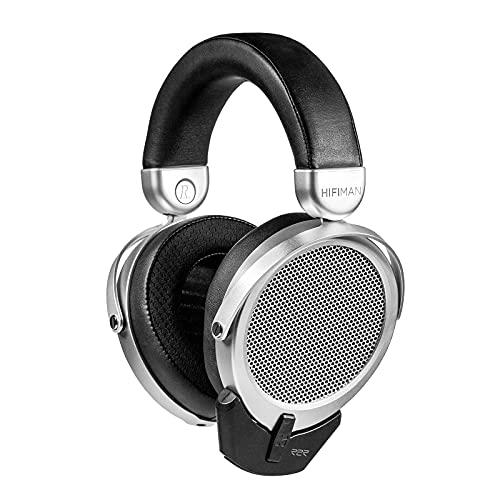 Other budget-friendly options include Monolith headphones by Moondrop Labs and the HiFiMAN Sundara headphones. Both headphones provide an impressive, detailed sound quality and impressive quality of build that rivals more expensive models. However, they don't offer the same amount of bass extension as the more expensive models on this list. It all boils down to what you're looking for in a pair of headphones - do you prioritize clarity and image structure or do you prefer loud bass?
Planar headphones, such as the Audeze LCD-4 or HiFIMAN Susvara have a low-level of distortion, lightning quick transient response and a large, accurate range of frequencies. These headphones require a headphone amplifier to ensure they are properly powered.
They're bigger, heavier and require more power to drive. This is why many people prefer closed-back designs, which isolate sound better and are more comfortable to wear for long periods of time.
What is a planar magnetic closed back headphones magnetic headphone?
The average headphone-on-ear, over-ear, or in-ear-uses a dynamic driver to produce sound. The drivers are domes or cones in which a coil is placed to produce sound waves. Planar magnetic headphones are a particular kind of driver that uses two magnets wrapped around an electrified sheet to deliver audio. These headphones are a bit bulkier and heavier than traditional models, however they are well-crafted for long listening sessions.
Planar magnetic headphones are typically rather expensive when compared to their dynamic driver counterparts because they require more sophisticated and complex technology to work. They are a fantastic option for audiophiles who appreciate precision and clarity. In addition, they can provide a full and rich listening experience that's rarely available in other headphones.
Bass performance is among the most impressive characteristics of planar magnetic headphones. Because they're large, the soundstage can expand to accommodate the incredibly deep low notes and rumbles that are typical of these kinds of headphones. They are also great at handling articulation, tactile tones and mixing music.
Despite their impressive bass response, these headphones may have issues maintaining clarity and distinction in the mid- and high frequencies. They are also known to have an unbalanced sound due to their distinctive 'plucked'-like' character.
If you're interested in exploring the world of planar magnetic headphones I'd suggest an open-back model like the Hifiman HE400i or the Monoprice Monolith M1070. If you're looking to start using these headphones, you'll require an amp/DAC with a lot of power. Look into the Monolith Hi-Res DAC headphone amp.
What is a magnetic driver planar?
Planar magnetic drivers are the norm in audiophile headphones. The top models provide incredible detail and powerful presence that can change your listening experience and bring new life to your music collection. However, these headphones aren't for everyone - they're usually more expensive than other headphone types and typically require an amplifier to work effectively. They're also larger and heavier, and their open-back designs permit the noise of the surrounding environment to enter. This makes them less portable.
While many people assume that planar magnetic headphones don't have bass, they actually provide a stunning audio quality in the low frequencies. This is due to the fact that they utilize flat diaphragms with an conductive trace pattern that is sandwiched between two arrays of magnets. When an electrical signal is sent from the source of audio to your driver the magnetic field is in contact with the trace patterns. This creates an oscillation that creates sound waves.
Because the conductive traces are thin and spread out across the diaphragm, they're able to react more evenly to the magnets than dynamic drivers do. This enables a more precise and even transfer of audio signals with less distortion. This is why planar-magnetic headphones are usually more accurate and precise, driver planar particularly in the lower frequencies where other headphone types have trouble reproducing precise sound.
Despite their outstanding performance in the low frequencies, most planar magnetic headphones aren't great in the highs or bass. It's because their design is more complicated and costly and difficult to put together quickly or cheaply. Due to this, the most budget-friendly over-ear magnetic headphones tend to steer clear of bass and instead focus on greater detail in the mids as well as highs. The truth is that budget planar headphones won't give you the best music listening experience, but it's something to consider before purchasing one.
What is a planar magnetic diaphragm?
Planar magnetic headphones are popular in the audiophile market because they provide stunning levels of detail and clarity. This is because they use a different driver technology from the more standard dynamic drivers that are used in the majority of headphones and speaker systems.
Planar magnetic headphones, such as the HIFIMAN Sundara for instance make use of a new and innovative type of driver that uses flat diaphragms made of ultra-thin wires to produce sound waves. These diaphragms then are suspended in the middle of two magnets with flat sides. When an electrical signal flows through these wires, the magnets cause the diaphragm to vibrate and produce sound.
This kind of diaphragm is much more flexible and responsive than the stiffer dome-shaped or cone-shaped ones that are that are used in many dynamic headphones, which could be damaged by massive excursion forces that can lead to distortion. This is why planar magnetic headphones feature low distortion, a fast transient response, and a large frequency range.
However, because of their larger size and more complicated motor design they tend to be heavier and bulkier than their dynamic counterparts. Additionally, they generally require more power to operate and will require an external amplifier for optimal performance.
The headphones of the planar magnetic type are distinguished by their imaging, or the precise reproduction and stereo sound of instruments on the soundstage. This is a huge benefit for people who are looking to find the perfect headphones to match their personal sound preference.
Unfortunately, this broad wavefront also means that headphones with a planar wavefront may leak more sound than other kinds of headphones, which could be a drawback when you're out in public. This isn't a problem for the majority of listeners. The majority of open-back planar magnet headphones, such as the HIFIMAN Ananda designed to minimize sound leakage.
What is a planar magnet headphone design?
Many audiophile headphones use planar magnetic drivers that provide amazing sound quality, including some of the most popular options available. These headphones tend to be somewhat more expensive than the ones that use dynamic driver technology. That's mostly due to the fact that they typically have more sophisticated drivers and may require a headphone amplifier to maximize their potential. You don't have to spend much to enjoy the benefits planar headphones offer. There are plenty of affordable options available, such as the Audeze LCD-4 and HiFiMAN Susvara.
The key difference between planar headphones and those with traditional dynamic driver tech is that the planar headphones utilize a flat diaphragm in place of a conventional cone or dome-shaped one. The diaphragm is equipped with two permanent magnets on either side of it that interact with the electrical signals sent by your music player or Hi-Fi system. The diaphragm vibrates in response to audio signals.
The diaphragm, which is bigger and moves over its entire surface is less likely to cause distortion when it reaches its maximum excursion. This translates to a much more precise, spacious soundstage than dynamic headphones can offer.
However, the planar driver planar is also more complex and difficult to create than its dynamic counterpart, which can result in some variance between headphones. It is important to read reviews from reputable sources, and to listen to headphones with multiple people before buying.
Planar headphones can also be prone to leak sound. That means that you'll need to be in a quiet space in order to listen to them or you'll need to block out noise from the world around you with your ears or by using the help of a cover.
What is a headphone with a planar magnetic cost?
In the world of audiophile headphones the planar magnetic headphones are a popular choice for many listeners because of their superior clarity and detail. They can be costly particularly when compared to dynamic headphone. If you're looking for a good pair of planar headphones but don't want too much, there are options available that offer excellent value for budget.
The most affordable planar magnet headphones feature an open-back design and are constructed of lightweight materials to make them comfortable for prolonged wear. They have a powerful bass response and a stunning soundstage. These headphones are ideal for people who enjoy listening to music while they do other activities such as running or traveling to work.
There were few options for audiophiles looking to enjoy the benefits the pair of headphones from a planar design could offer without spending a fortune. There are now a number of manufacturers who have developed a range of affordable planar headphones with outstanding audio quality.
Audeze LCD-2 Classics, for instance, are a top choice for audiophiles looking to experience the benefits a planar headphone without spending a fortune. These headphones are known for their realistic sound reproduction and exceptional clarity due to their unique driver layout which uses a thin, lightweight diaphragm that is suspended between two magnets.
Other budget-friendly options include Monolith headphones by Moondrop Labs and the HiFiMAN Sundara headphones. Both headphones provide an impressive, detailed sound quality and impressive quality of build that rivals more expensive models. However, they don't offer the same amount of bass extension as the more expensive models on this list. It all boils down to what you're looking for in a pair of headphones - do you prioritize clarity and image structure or do you prefer loud bass?- 이전글The Most Powerful Sources Of Inspiration Of Planar Vs Dynamic 24.04.12
- 다음글The History Of Magnetic Planar 24.04.12
댓글목록
등록된 댓글이 없습니다.