
Web Banner The Most Successful Planar Magnetic Headphone Gurus Are Doing Three Th…
페이지 정보
작성자 Charla 댓글 0건 조회 26회 작성일 24-04-12 00:15본문
Planar Magnetic Headphones
Planar magnetic headphones produce uniform sound waves by using a thin, flat membrane suspended between two magnets. This offers a better sense of soundstage, greater clarity and a unique sound signature that sets them apart from typical dynamic driver headphones.
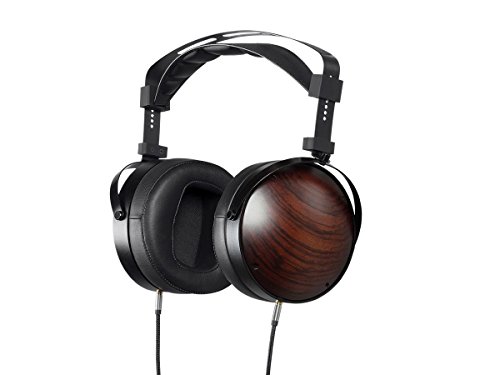 They are typically more expensive and harder to drive than dynamic headphones, but they are a worthwhile investment for audiophiles. You can purchase headphones for less than $400. They include the budget-friendly Hifiman HE400i or Monoprice Monolith M1070.
Soundstage
With their massive drivers they can create soundstages that are extremely wide. These expansive soundscapes allow listeners to experience a greater amount of detail and create an experience that is more immersive. You'll be able better identify the position of each instrument and voice in the mix, making them an excellent option for mixing or studio use.
Planar magnetic headphones are known for their amazing bass performance. Their massive drivers can move a significant amount of air, which gives them the ability to reproduce full and deep bass notes with remarkable precision and clarity. This is a huge improvement from the tinny, muddy bass you get with the majority of headphones with dynamic drivers.
The headphones of the planar magnetic type are unique in that they utilize a flat diaphragm, sandwiched in a conductive pattern in between two arrays of magnetic material. When an electrical current flows through the conductive trace, it creates a magnetic field which causes the diaphragm's surface to vibrate and produce audio waves. The magnetic field controls the movement of the diaphragm and is evenly distributed over the entire surface. This creates an isodynamic (or constant) field that ensures the movement of the dialygm is constant across the entire frequency range.
Planar magnetic headphones are significantly less distortion-free than dynamic headphones because the distortion caused by a dynamic driver comes from the voice coil's movement between and between the diaphragm and voice coil. This means you can hear the music exactly as the artist intended, even at a loud volume.
One downside of these headphones is that they leak a bit more than traditional open-back headphone models. This is due to the large diaphragms that are used in these headphones circulate a huge deal of air, and some of it escapes from the open back of the headphone. If you're listening in a quiet area, it isn't a problem.
The choice between planar magnetic and dynamic headphones is based on your preferences in listening and your budget. If you prioritize clarity, precision and low distortion, a pair planar magnetic headphones is the best option for you.
Detail
planar earphone magnetic headphones have gained in popularity with audiophiles over the past few years. They are known for their wide sound signature and flat diaphragms that move at a rapid pace to produce deep bass and higher frequencies. Unlike dynamic drivers that have rigid, rigid driver voice coils The conductor trace of the planar magnetic headphone drivers is fixed on the flat surface of the diaphragm, and it reacts to the magnetic planar field generated by two magnets that are opposite. This allows them to reproduce frequencies with greater amplitudes than other headphones, without causing distortion to the driver or damage to the diaphragm at high volume.
The flat diaphragm also produces a wider and more planar soundwavefront than dynamic drivers, which have a more centered, spherical soundwavefront (although some of the top-of-the-line dynamic driver headsets, like the Focal Utopia can expand to 20Hz). The larger, more expansive soundstage of planar headphones gives them an especially remarkable ability to bring out the particulars in recordings. This is especially noticeable when it concerns instruments. The precision and detail of the planar magnetic headphones allow you to hear each string or woodwind note exactly as designed by the composer.
Another benefit of a great pair of headphones is the way they reproduce sounds from around you. Depending on the shape of the ear cups, and whether they're open-back or closed-back headphones, some models leak sound from the inside of the ear cup. This isn't an issue in all instances, but it could cause annoyance to people who are around you while you listen. In this instance, you should look for headphones that limit leakage or have an optional grille that you can use in public spaces.
It is essential to select a headphone that suits your lifestyle and listening preferences. There are many types, sizes and prices for a planar magnetic headphone that will suit your music preferences.
Comfort
 A planar magnetic headphone uses thin diaphragms that have conductors hung on an array of magnets to alter the sound waves. The wider wavefront produces more natural and immersive sound with incredible clarity, speed, and accuracy. However, they tend to be heavy and require a dedicated amplifier to maximize their potential.
A variety of specialized HiFi audio headphone brands have reintroduced this older technology in recent years and allow listeners to enjoy new levels of amazing audio quality thanks to the power of planar drivers. Although they might not appear like sleek and modern dynamic models, these headphones are renowned for their deep bass, intimate presentation and exceptional stage depth.
Despite their size and unique structure, these headphones are surprisingly comfortable and comfortable to wear. The ear cups can seal within your ear canals and block out ambient noise which allows you to focus on your audio, but they don't clamp onto the neck or head as some other over-ear designs do. Some listeners are also drawn to the light design and comfortable earpads.
Another disadvantage of planar magnetic headphones is that they are generally high cost. You can find budget-friendly dynamics headphones, however, many planar models require a separate DAC/amplifier to get the best out of them. They are more complex than their dynamic counterparts and require plenty of power to move the magnets.
Some headphones with planar designs are affordable (such as HIFIMAN's Deva or AUdeze's Venus) However, the majority of them are high-end models and some costing over $400. This is a significant investment, especially when you listen to music while on the move or spend the majority of your time gaming, but for those who want to experience music at its highest quality and authenticity, they provide an outstanding listening experience.
Despite their excellent sound quality but the biggest drawback to the majority of planar headphones is leakage. Dual magnets move in both directions, causing the headphones to leak sound. This can cause a disturbance to people who are in the vicinity or let outside noises to infiltrate. Some models are more prone to this than others, but it's an issue for all listeners who would like to enjoy the sound quality of these headphones in a quiet setting.
Noise isolation
For a pair to be called "headphones" they should be able to separate your ears from the surrounding environment. A quality pair of planar headphones will use ergonomic design and top materials to prevent sound from escaping your ears. This will decrease the amount of sound you hear, giving you a more immersive listening experience.
In general the headphones with planar magnets are larger and heavier than dynamic headphones. This is due to the fact that the driver itself uses more surface area to transmit audio which requires a larger earcup. The most prestigious audio brands prefer earcups that look as good as they sound. They use exotic woods and composites in their designs.
Planar magnetic headphones regulate electrical current using an electrified film sandwiched between magnets. The magnetic field on either side of the film causes it to vibrate, creating sound waves. The diaphragm vibrates as a whole, not just one small part that is connected to the voice coil. This means that they are less likely to be damaged when played at a high volume.
However, many of the newer headphones with planar magnetics are a bit weak in bass and don't offer as much "slam" or "punch" that you might get from a modern high-end pair of dynamic drivers. It's a trade-off, and one that can be resolved by careful comparisons between various models of headphones.
It's best to shop around for planar magnetic headphones, and then read reviews from both audio sites for professionals and users on the r/headphones Subreddit. You can then be confident that the headphones you choose will satisfy your audio and music needs. Once you've completed this the only thing left to do is to find a great price/performance ratio. The Monoprice M1060 over-ear headphones are an excellent example of this, which combines incredible audio quality with a sleek stealth style and planar magnetic iem comfortable cushions that are comparable to the pads of headphones priced considerably more than the M1060.
Planar magnetic headphones produce uniform sound waves by using a thin, flat membrane suspended between two magnets. This offers a better sense of soundstage, greater clarity and a unique sound signature that sets them apart from typical dynamic driver headphones.
They are typically more expensive and harder to drive than dynamic headphones, but they are a worthwhile investment for audiophiles. You can purchase headphones for less than $400. They include the budget-friendly Hifiman HE400i or Monoprice Monolith M1070.Soundstage
With their massive drivers they can create soundstages that are extremely wide. These expansive soundscapes allow listeners to experience a greater amount of detail and create an experience that is more immersive. You'll be able better identify the position of each instrument and voice in the mix, making them an excellent option for mixing or studio use.
Planar magnetic headphones are known for their amazing bass performance. Their massive drivers can move a significant amount of air, which gives them the ability to reproduce full and deep bass notes with remarkable precision and clarity. This is a huge improvement from the tinny, muddy bass you get with the majority of headphones with dynamic drivers.
The headphones of the planar magnetic type are unique in that they utilize a flat diaphragm, sandwiched in a conductive pattern in between two arrays of magnetic material. When an electrical current flows through the conductive trace, it creates a magnetic field which causes the diaphragm's surface to vibrate and produce audio waves. The magnetic field controls the movement of the diaphragm and is evenly distributed over the entire surface. This creates an isodynamic (or constant) field that ensures the movement of the dialygm is constant across the entire frequency range.
Planar magnetic headphones are significantly less distortion-free than dynamic headphones because the distortion caused by a dynamic driver comes from the voice coil's movement between and between the diaphragm and voice coil. This means you can hear the music exactly as the artist intended, even at a loud volume.
One downside of these headphones is that they leak a bit more than traditional open-back headphone models. This is due to the large diaphragms that are used in these headphones circulate a huge deal of air, and some of it escapes from the open back of the headphone. If you're listening in a quiet area, it isn't a problem.
The choice between planar magnetic and dynamic headphones is based on your preferences in listening and your budget. If you prioritize clarity, precision and low distortion, a pair planar magnetic headphones is the best option for you.
Detail
planar earphone magnetic headphones have gained in popularity with audiophiles over the past few years. They are known for their wide sound signature and flat diaphragms that move at a rapid pace to produce deep bass and higher frequencies. Unlike dynamic drivers that have rigid, rigid driver voice coils The conductor trace of the planar magnetic headphone drivers is fixed on the flat surface of the diaphragm, and it reacts to the magnetic planar field generated by two magnets that are opposite. This allows them to reproduce frequencies with greater amplitudes than other headphones, without causing distortion to the driver or damage to the diaphragm at high volume.
The flat diaphragm also produces a wider and more planar soundwavefront than dynamic drivers, which have a more centered, spherical soundwavefront (although some of the top-of-the-line dynamic driver headsets, like the Focal Utopia can expand to 20Hz). The larger, more expansive soundstage of planar headphones gives them an especially remarkable ability to bring out the particulars in recordings. This is especially noticeable when it concerns instruments. The precision and detail of the planar magnetic headphones allow you to hear each string or woodwind note exactly as designed by the composer.
Another benefit of a great pair of headphones is the way they reproduce sounds from around you. Depending on the shape of the ear cups, and whether they're open-back or closed-back headphones, some models leak sound from the inside of the ear cup. This isn't an issue in all instances, but it could cause annoyance to people who are around you while you listen. In this instance, you should look for headphones that limit leakage or have an optional grille that you can use in public spaces.
It is essential to select a headphone that suits your lifestyle and listening preferences. There are many types, sizes and prices for a planar magnetic headphone that will suit your music preferences.
Comfort
A planar magnetic headphone uses thin diaphragms that have conductors hung on an array of magnets to alter the sound waves. The wider wavefront produces more natural and immersive sound with incredible clarity, speed, and accuracy. However, they tend to be heavy and require a dedicated amplifier to maximize their potential.A variety of specialized HiFi audio headphone brands have reintroduced this older technology in recent years and allow listeners to enjoy new levels of amazing audio quality thanks to the power of planar drivers. Although they might not appear like sleek and modern dynamic models, these headphones are renowned for their deep bass, intimate presentation and exceptional stage depth.
Despite their size and unique structure, these headphones are surprisingly comfortable and comfortable to wear. The ear cups can seal within your ear canals and block out ambient noise which allows you to focus on your audio, but they don't clamp onto the neck or head as some other over-ear designs do. Some listeners are also drawn to the light design and comfortable earpads.
Another disadvantage of planar magnetic headphones is that they are generally high cost. You can find budget-friendly dynamics headphones, however, many planar models require a separate DAC/amplifier to get the best out of them. They are more complex than their dynamic counterparts and require plenty of power to move the magnets.
Some headphones with planar designs are affordable (such as HIFIMAN's Deva or AUdeze's Venus) However, the majority of them are high-end models and some costing over $400. This is a significant investment, especially when you listen to music while on the move or spend the majority of your time gaming, but for those who want to experience music at its highest quality and authenticity, they provide an outstanding listening experience.
Despite their excellent sound quality but the biggest drawback to the majority of planar headphones is leakage. Dual magnets move in both directions, causing the headphones to leak sound. This can cause a disturbance to people who are in the vicinity or let outside noises to infiltrate. Some models are more prone to this than others, but it's an issue for all listeners who would like to enjoy the sound quality of these headphones in a quiet setting.
Noise isolation
For a pair to be called "headphones" they should be able to separate your ears from the surrounding environment. A quality pair of planar headphones will use ergonomic design and top materials to prevent sound from escaping your ears. This will decrease the amount of sound you hear, giving you a more immersive listening experience.
In general the headphones with planar magnets are larger and heavier than dynamic headphones. This is due to the fact that the driver itself uses more surface area to transmit audio which requires a larger earcup. The most prestigious audio brands prefer earcups that look as good as they sound. They use exotic woods and composites in their designs.
Planar magnetic headphones regulate electrical current using an electrified film sandwiched between magnets. The magnetic field on either side of the film causes it to vibrate, creating sound waves. The diaphragm vibrates as a whole, not just one small part that is connected to the voice coil. This means that they are less likely to be damaged when played at a high volume.
However, many of the newer headphones with planar magnetics are a bit weak in bass and don't offer as much "slam" or "punch" that you might get from a modern high-end pair of dynamic drivers. It's a trade-off, and one that can be resolved by careful comparisons between various models of headphones.
It's best to shop around for planar magnetic headphones, and then read reviews from both audio sites for professionals and users on the r/headphones Subreddit. You can then be confident that the headphones you choose will satisfy your audio and music needs. Once you've completed this the only thing left to do is to find a great price/performance ratio. The Monoprice M1060 over-ear headphones are an excellent example of this, which combines incredible audio quality with a sleek stealth style and planar magnetic iem comfortable cushions that are comparable to the pads of headphones priced considerably more than the M1060.
댓글목록
등록된 댓글이 없습니다.