
POP You'll Never Guess This Planar Vs Dynamic's Secrets
페이지 정보
작성자 Domingo 댓글 0건 조회 11회 작성일 24-04-09 14:16본문
Planar Vs Dynamic Headphones
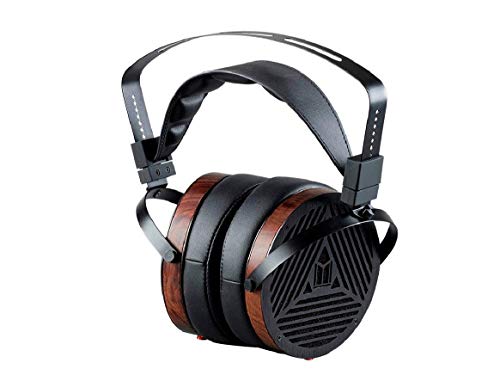 If you're looking for headphones with a wide range of sound profiles dynamic drivers are the best way to go. These headphones use a voice-coil and magnetic windings which rotate forward and backwards to make the diaphragm of the speaker to vibrate.
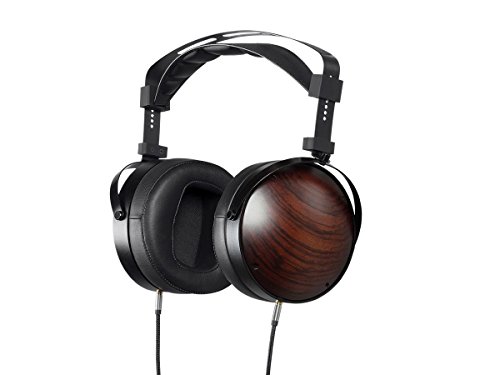 This creates a spherical sound wavefront that accurately represents audio. However, it can cause distortion at higher volumes.
Cost
Dynamic drivers are simple and inexpensive to build. They are composed of a coil (the voice coil) wrapped around a diaphragm that is made of plastic and set into an electric field. They vibrate according to the electrical signals that are sent by your audio source. They require less power than planar or electrostatic headphones. This makes them more portable and convenient to use while traveling. The headphones with a planar design have more intricate motor systems and larger diaphragms. These require multiple magnets or larger magnets for movement. This means they can cost more and are often heavier and heavier than their dynamic counterparts. They also consume more power to run, which is the reason the majority of headphones that use planar technology require an external amplifier to get the optimal results.
Bass Response
Bass response is the most important difference between dynamic and planar headphones. planar magnetic iem drivers provide superior linearity, with a greater depth of bass extension and less distortion than dynamic headphones. They also provide a more precise sense of image and clarity. They may not have the same punch and slam as the dynamic headphones. This has resulted in hybrid IEMs, which use two kinds of drivers. These IEMs can provide the best of both worlds and satisfy a wide range of listening preferences.
Dynamic drivers are utilized in headphones to transmit sound vibrations using an insulated wire suspended from the membrane. The magnetic field of the coil triggers the vibrating diaphragm, which produces the sounds we hear. However this could cause distortion in the lower frequency range, because the diaphragm's movement is not accurate or consistent. This is why it is crucial to think about your own preferences for listening and your listening environment before deciding on which type of headphone is suitable for you.
With the emergence of planar magnetic headphones distortion has been greatly reduced because the vibrations are more uniform and the diaphragm is not move as much. In addition the flat shape of the diaphragm allows it to respond more quickly to changes in the input signal. This is especially applicable to high-frequency frequencies. Planar magnetic headphones provide more accurate sound with more detail.
Dynamic headphones have a greater time-line than planar magnetic headphones and are the industry standard for bass response. Historically, dynamic driver headphones had flat frequency responses all the way down to 20Hz, whereas planar magnetic headphones had a greater roll-off in this range. As technology has improved however, many of the planar headphones now offer an all-round bass response which is comparable to high-end open dynamic driver headphones.
The NAN-7 For instance, it is a premium planar that delivers a very impressive sense of bass and impact. Its bass is crisp and agile, with a great sub-bass slam. Its ability to provide a strong and authoritative sense of bass ambience and authority makes it a perfect choice for orchestral music such as the opening theme of Richard Strauss's opera, Aleksandr Solti’s "Alsosprach Zarathustra". The NAN-7 also stands out for its imaging capabilities.
Soundstage
Typically, headphones with planar designs offer better soundstage. The diaphragm can be larger and move more evenly. This can result in a flat, broad soundwave that improves clarity and imaging. This is evident especially on headphones with higher quality, such as the Audeze LCD-4 or HiFiMAN Susvara However, it's a trend which is applicable for lower-cost choices too.
Planar magnetic planar headphones, unlike dynamic drivers that only vibrate a portion of the diaphragm connected to the voice coil when the electrical signal is applied, have a greater surface area which can be moved. This results in less distortion even at high volume. They also have a better transient response, meaning they can handle rapid changes in the input signal.
However, it is important to be aware that planar headphones will still have a restricted soundstage if not properly fueled. The absence of a headphone amp's power may result in an unnatural bass or a "shimmer" effect that could make listening to music less enjoyable.
Another thing to take into consideration is that headphones with dynamic drivers tend to have a more natural sound than planar ones, because they reproduce the frequency response and timbre of original audio recording better. The drivers' dynamics are also more natural and realistic than the 'plucked' sound of headphones that are planar. This difference can be compensated by a high-quality headphone amp, and Planar headphones some modern headphones, like the Oppo PM-3 and HiFiMAN HE1000SE are more powerful than older counterparts. This is because they employ more advanced drivers that can be driven by a higher level of headphone amplifier.
Comfort
Planar magnetic headphones have been gaining popularity in recent years, and that's not surprising since they provide an improved sound quality. The downside is that they're generally heavier and more expensive than dynamic headphones. This is due to the fact that they have a a bigger driver and need more power to move in a uniform manner. That's why they need balanced outputs found on most DAPs and dongles. They also tend to leak more sound than dynamic drivers.
If you're looking for headphones with a wide range of sound profiles dynamic drivers are the best way to go. These headphones use a voice-coil and magnetic windings which rotate forward and backwards to make the diaphragm of the speaker to vibrate.This creates a spherical sound wavefront that accurately represents audio. However, it can cause distortion at higher volumes.Cost
Dynamic drivers are simple and inexpensive to build. They are composed of a coil (the voice coil) wrapped around a diaphragm that is made of plastic and set into an electric field. They vibrate according to the electrical signals that are sent by your audio source. They require less power than planar or electrostatic headphones. This makes them more portable and convenient to use while traveling. The headphones with a planar design have more intricate motor systems and larger diaphragms. These require multiple magnets or larger magnets for movement. This means they can cost more and are often heavier and heavier than their dynamic counterparts. They also consume more power to run, which is the reason the majority of headphones that use planar technology require an external amplifier to get the optimal results.
Bass Response
Bass response is the most important difference between dynamic and planar headphones. planar magnetic iem drivers provide superior linearity, with a greater depth of bass extension and less distortion than dynamic headphones. They also provide a more precise sense of image and clarity. They may not have the same punch and slam as the dynamic headphones. This has resulted in hybrid IEMs, which use two kinds of drivers. These IEMs can provide the best of both worlds and satisfy a wide range of listening preferences.
Dynamic drivers are utilized in headphones to transmit sound vibrations using an insulated wire suspended from the membrane. The magnetic field of the coil triggers the vibrating diaphragm, which produces the sounds we hear. However this could cause distortion in the lower frequency range, because the diaphragm's movement is not accurate or consistent. This is why it is crucial to think about your own preferences for listening and your listening environment before deciding on which type of headphone is suitable for you.
With the emergence of planar magnetic headphones distortion has been greatly reduced because the vibrations are more uniform and the diaphragm is not move as much. In addition the flat shape of the diaphragm allows it to respond more quickly to changes in the input signal. This is especially applicable to high-frequency frequencies. Planar magnetic headphones provide more accurate sound with more detail.
Dynamic headphones have a greater time-line than planar magnetic headphones and are the industry standard for bass response. Historically, dynamic driver headphones had flat frequency responses all the way down to 20Hz, whereas planar magnetic headphones had a greater roll-off in this range. As technology has improved however, many of the planar headphones now offer an all-round bass response which is comparable to high-end open dynamic driver headphones.
The NAN-7 For instance, it is a premium planar that delivers a very impressive sense of bass and impact. Its bass is crisp and agile, with a great sub-bass slam. Its ability to provide a strong and authoritative sense of bass ambience and authority makes it a perfect choice for orchestral music such as the opening theme of Richard Strauss's opera, Aleksandr Solti’s "Alsosprach Zarathustra". The NAN-7 also stands out for its imaging capabilities.
Soundstage
Typically, headphones with planar designs offer better soundstage. The diaphragm can be larger and move more evenly. This can result in a flat, broad soundwave that improves clarity and imaging. This is evident especially on headphones with higher quality, such as the Audeze LCD-4 or HiFiMAN Susvara However, it's a trend which is applicable for lower-cost choices too.
Planar magnetic planar headphones, unlike dynamic drivers that only vibrate a portion of the diaphragm connected to the voice coil when the electrical signal is applied, have a greater surface area which can be moved. This results in less distortion even at high volume. They also have a better transient response, meaning they can handle rapid changes in the input signal.
However, it is important to be aware that planar headphones will still have a restricted soundstage if not properly fueled. The absence of a headphone amp's power may result in an unnatural bass or a "shimmer" effect that could make listening to music less enjoyable.
Another thing to take into consideration is that headphones with dynamic drivers tend to have a more natural sound than planar ones, because they reproduce the frequency response and timbre of original audio recording better. The drivers' dynamics are also more natural and realistic than the 'plucked' sound of headphones that are planar. This difference can be compensated by a high-quality headphone amp, and Planar headphones some modern headphones, like the Oppo PM-3 and HiFiMAN HE1000SE are more powerful than older counterparts. This is because they employ more advanced drivers that can be driven by a higher level of headphone amplifier.
Comfort
Planar magnetic headphones have been gaining popularity in recent years, and that's not surprising since they provide an improved sound quality. The downside is that they're generally heavier and more expensive than dynamic headphones. This is due to the fact that they have a a bigger driver and need more power to move in a uniform manner. That's why they need balanced outputs found on most DAPs and dongles. They also tend to leak more sound than dynamic drivers.
댓글목록
등록된 댓글이 없습니다.