
Web Banner 10 Facts About Barista Espresso Machine That Will Instantly Put You In…
페이지 정보
작성자 Arlette 댓글 0건 조회 45회 작성일 23-11-21 22:29본문
What to Look For in a Barista Espresso Machine
The espresso machine is one of the most complex coffee machines in the world. It is comprised of three main parts. The bottom holds the water and the middle is a filtration basin with a filter made of metal.
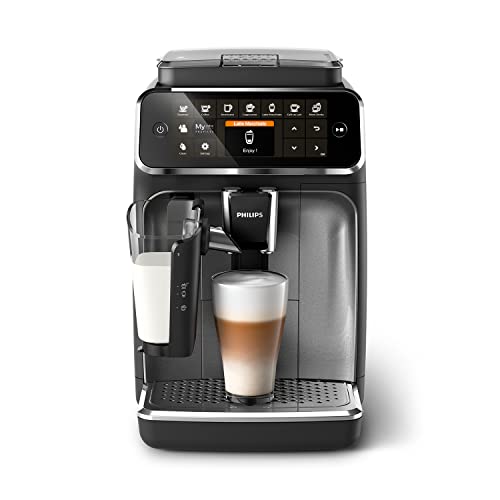 This machine was a huge hit and helped popularize the prosumer (home barista) espresso market. Features include a 2.2L steam boiler, a low pressure pre-infusion, and Barista Espresso machine 9 bar pressure for brewing.
Pressure
If you're an avid coffee drinker, then you will know that the pressure of your machine is an important factor in the quality of your drink. The pressure of your machine is crucial for making great coffee, whether you're looking for a dense layer or the perfect balance of acidity and flavor.
BARs (Barometric Pressure) refer to the amount of force applied to the coffee grounds when your espresso machine is pumping out its high-pressure water. Your espresso machine is pushing heated water through the grounds of coffee at nine times that of Earth's current atmosphere pressure.
The pressure of your machine is vital because it allows water to pass through the coffee grounds at the right speed and intensity. If the pressure is too low the flavors and oils that are dissolved won't be extracted properly. If the pressure is too low the dissolved flavors and oils will not be extracted properly.
You can regulate the pressure of your espresso maker by adjusting the screw of the espresso maker. Commercial machines and high-end home machines feature the rotary pumps that have adjustable pressure. However, for the less expensive home appliances that utilize the pump that vibrates, adjusting the pressure is difficult without engaging in DIY hacks. Companies such as Cafflano however, are working on technology that utilizes Pascal's Principle to ensure the pressure within the portafilter all through the fermentation process.
Temperature
The temperature is one of the most important aspects for the perfect espresso shot. The water that is too hot can scorch the grounds of the coffee, resulting in bitter brew. The optimal temperature for extraction is 200 degrees Fahrenheit. This lets the water extract all the desired coffee flavors without scorching the grounds or excessively extracting.
The top espresso machines include a thermoblock which warms the water and keeps it at a steady temperature throughout the whole extraction process. The Breville Barista Express, for instance, comes with a PID (Proportional Integral Derivative) system which constantly monitors the temperature of water and adjusts according to the need, ensuring that the brewhead stays at a perfect temperature for extraction.
Many coffee drinkers know that the temperature of your espresso maker is a crucial factor in the production of a good cup of coffee. The ideal temperature for espresso is between between 190-196. In order to attain this, your machine must have a quality thermoblock or thermocoil and the boiler needs to be sized appropriately.
Additionally, it is essential to heat your portafilter, espresso machine, and cup prior to making a shot. The failure to preheat is among the most common errors made by beginner espresso makers. It is recommended to read your espresso coffee machine machine's manual prior to attempting to try it for the very first time.
Grind
A barista espresso machine should provide a variety grind settings to give you the greatest control over the final cup of coffee. Some machines espresso include an analog gauge that looks cool and can help you develop your brewing capabilities. The goal is to maintain a pressure of nine bars throughout the brewing cycle. This machine is near getting to that point.
Another nice touch on this machine is a built-in burr grinder. This feature is ideal for novices because it doesn't mean having to purchase a separate grinder. The stainless steel conical grinder has 18 settings, ranging from "coarse to fine."
This grinder isn't quite the same as a standalone unit, however, it's a decent start and will have you well on your way to brewing quality espresso shots. It's easy to clean and you can stop it while grinding, which helps you avoid the creation of a mountain of grounds that spill all over your portafilter on its way to tamping.
It's a beautiful and practical machine that allows you to experience the excitement of being a barista home. It's a great choice for anyone who would like to to look back at the memories of pouring the microfoam into your morning cup of coffee or locking a portafilter into the grouphead, and then tamping with precision. A bean-to-cup machine is a great option for those who want convenience.
Water
It is a challenge to master. The key is to find the appropriate balance. Too much can cause mineral deposits to build up in your machine. But too little will result in an espresso cup that is weaker.
The ideal water for espresso is low in hardness and high in alkalinity. This is best accomplished by using an effective water filtering system that does away with chlorine and then adds back in a small espresso machine amount of total dissolving solids (TDS) to add some calcium and magnesium to the mix. This will create a good balance of alkalinity as well as hardness. It will also prevent the need to decalcify your machine.
It is crucial to make sure you use water that has been filtered to a good quality to ensure the health and taste of your machine. Based on the usage and the hardness of your machine, you should make use of descaling products on a regular schedule. These products are available in tab, liquid, barista espresso machine or powder in a variety of hardware stores.
The Breville Barista Express, a top-of-the-line home espresso machine is designed to bring the cafe experience into your home. It comes with more advanced features over other basic machines which are targeted at coffee lovers who want to improve their technique and improve their craft. The thermocoil heater with an integrated PID controller located on the group head that is heated continuously which makes it simple to control your brewing temperature. This is a major benefit over other models which require longer "temperature surfing" to achieve a consistent shot of espresso.
The espresso machine is one of the most complex coffee machines in the world. It is comprised of three main parts. The bottom holds the water and the middle is a filtration basin with a filter made of metal.
This machine was a huge hit and helped popularize the prosumer (home barista) espresso market. Features include a 2.2L steam boiler, a low pressure pre-infusion, and Barista Espresso machine 9 bar pressure for brewing.Pressure
If you're an avid coffee drinker, then you will know that the pressure of your machine is an important factor in the quality of your drink. The pressure of your machine is crucial for making great coffee, whether you're looking for a dense layer or the perfect balance of acidity and flavor.
BARs (Barometric Pressure) refer to the amount of force applied to the coffee grounds when your espresso machine is pumping out its high-pressure water. Your espresso machine is pushing heated water through the grounds of coffee at nine times that of Earth's current atmosphere pressure.
The pressure of your machine is vital because it allows water to pass through the coffee grounds at the right speed and intensity. If the pressure is too low the flavors and oils that are dissolved won't be extracted properly. If the pressure is too low the dissolved flavors and oils will not be extracted properly.
You can regulate the pressure of your espresso maker by adjusting the screw of the espresso maker. Commercial machines and high-end home machines feature the rotary pumps that have adjustable pressure. However, for the less expensive home appliances that utilize the pump that vibrates, adjusting the pressure is difficult without engaging in DIY hacks. Companies such as Cafflano however, are working on technology that utilizes Pascal's Principle to ensure the pressure within the portafilter all through the fermentation process.
Temperature
The temperature is one of the most important aspects for the perfect espresso shot. The water that is too hot can scorch the grounds of the coffee, resulting in bitter brew. The optimal temperature for extraction is 200 degrees Fahrenheit. This lets the water extract all the desired coffee flavors without scorching the grounds or excessively extracting.
The top espresso machines include a thermoblock which warms the water and keeps it at a steady temperature throughout the whole extraction process. The Breville Barista Express, for instance, comes with a PID (Proportional Integral Derivative) system which constantly monitors the temperature of water and adjusts according to the need, ensuring that the brewhead stays at a perfect temperature for extraction.
Many coffee drinkers know that the temperature of your espresso maker is a crucial factor in the production of a good cup of coffee. The ideal temperature for espresso is between between 190-196. In order to attain this, your machine must have a quality thermoblock or thermocoil and the boiler needs to be sized appropriately.
Additionally, it is essential to heat your portafilter, espresso machine, and cup prior to making a shot. The failure to preheat is among the most common errors made by beginner espresso makers. It is recommended to read your espresso coffee machine machine's manual prior to attempting to try it for the very first time.

Grind
A barista espresso machine should provide a variety grind settings to give you the greatest control over the final cup of coffee. Some machines espresso include an analog gauge that looks cool and can help you develop your brewing capabilities. The goal is to maintain a pressure of nine bars throughout the brewing cycle. This machine is near getting to that point.
Another nice touch on this machine is a built-in burr grinder. This feature is ideal for novices because it doesn't mean having to purchase a separate grinder. The stainless steel conical grinder has 18 settings, ranging from "coarse to fine."
This grinder isn't quite the same as a standalone unit, however, it's a decent start and will have you well on your way to brewing quality espresso shots. It's easy to clean and you can stop it while grinding, which helps you avoid the creation of a mountain of grounds that spill all over your portafilter on its way to tamping.
It's a beautiful and practical machine that allows you to experience the excitement of being a barista home. It's a great choice for anyone who would like to to look back at the memories of pouring the microfoam into your morning cup of coffee or locking a portafilter into the grouphead, and then tamping with precision. A bean-to-cup machine is a great option for those who want convenience.
Water
It is a challenge to master. The key is to find the appropriate balance. Too much can cause mineral deposits to build up in your machine. But too little will result in an espresso cup that is weaker.
The ideal water for espresso is low in hardness and high in alkalinity. This is best accomplished by using an effective water filtering system that does away with chlorine and then adds back in a small espresso machine amount of total dissolving solids (TDS) to add some calcium and magnesium to the mix. This will create a good balance of alkalinity as well as hardness. It will also prevent the need to decalcify your machine.
It is crucial to make sure you use water that has been filtered to a good quality to ensure the health and taste of your machine. Based on the usage and the hardness of your machine, you should make use of descaling products on a regular schedule. These products are available in tab, liquid, barista espresso machine or powder in a variety of hardware stores.
The Breville Barista Express, a top-of-the-line home espresso machine is designed to bring the cafe experience into your home. It comes with more advanced features over other basic machines which are targeted at coffee lovers who want to improve their technique and improve their craft. The thermocoil heater with an integrated PID controller located on the group head that is heated continuously which makes it simple to control your brewing temperature. This is a major benefit over other models which require longer "temperature surfing" to achieve a consistent shot of espresso.
댓글목록
등록된 댓글이 없습니다.