
UI UX Design What Is Stove And Why Is Everyone Speakin' About It?
페이지 정보
작성자 Christie 댓글 0건 조회 28회 작성일 23-11-07 05:43본문
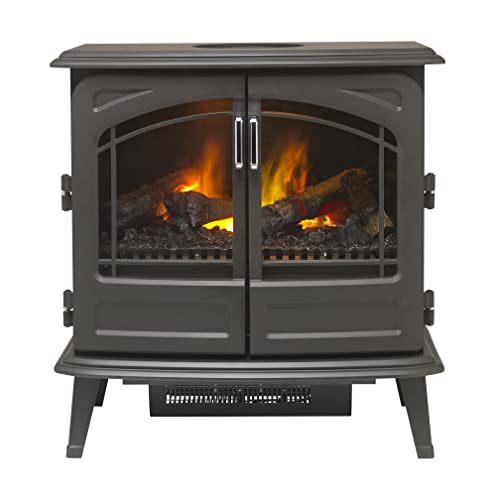 What Is a Stove?
Stove is an appliance for kitchen use that has burners and an oven to cook food. It can also include a warming drawer and broiler.
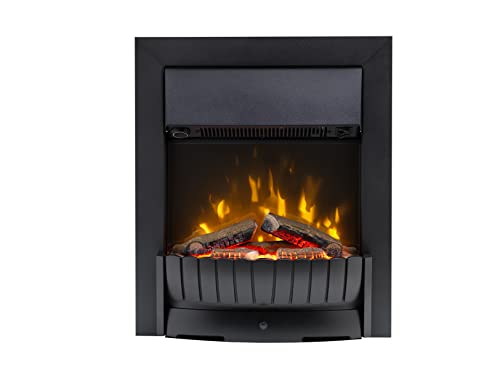 Recent advancements in stove design have improved efficiency, allowing people to spend less time collecting firewood and other fuels, as well as aiding in reducing deforestation, air pollution and lung diseases such as emphysema.
Gas
Gas stoves are present in 40 million American homes, and people appreciate them for the fact that they cook more quickly than electric ones and often cost less. But they are the primary source of indoor air pollution, and, as according to recent research, can worsen health problems in children and other family members. This is why groups such as Rocky Mountain Institute Physicians for Social Responsibility and Mothers Out Front work to make the Consumer Product Safety Commission (CPSC) to regulate them more rigorously.
When the gas stove is ignited it emits carbon dioxide. The flames also produce particulate matter and formaldehyde. These chemicals are harmful to humans and can cause respiratory issues, including wheezing. The NO2 also contributes to climate change through the trapping of heat in the atmosphere.
Natural gas is the most commonly used fuel for stoves. It is delivered through a pipelines and then flows through pipes that are inserted into homes. In some regions there is a preference for LPG, or liquefied petrol gas, which is delivered by tanks of steel that are pressurized. LPG is made of methane that has been compressed into a liquid state to be stored and transported.
When the stove is being used the nitrogen and oxygen in the air combine with the burning gas's flames to create nitric dioxide and NO2, both of which are toxic for the lung. They also create formaldehyde and carbon monoxide, which may affect the respiratory and cardiovascular systems.
Ventilation can help reduce the risk. The federal regulations that require gas dryers and hot water heaters to be vented outdoors as well as stoves that are vented outdoors have been proven to reduce indoor air pollution. Most gas stoves do not vent. Exhaust hoods over stoves that filter and recirculate the air can reduce emissions but they're not as efficient in smaller living areas, where pollutants can reach unhealthy levels more quickly.
Gas industry is doing everything to keep the public from learning about these dangers. The gas industry is circulating false information and promoting ads that suggest that the government could consider banning gas stoves. This is despite the fact that CPSC just recently began looking into the issue. To counter this, a few Republicans have introduced bills that would block the agency from setting efficiency standards for stoves or other appliances.
Electric
Electric stoves (also known as electric cooktops or electric ranges) use electricity to heat the food. In contrast to gas stoves, which use combustion to produce flames for cooking electric stoves convert electricity into heat via coils and other heating elements that are built into the burners. Heating elements heat water molecules inside pans and pots that are placed on the cooktop and transfer the heat to prepare food. The control panel of an electric stove permits the user to choose the desired temperature as well as other cooking settings. Some models come with digital displays that display the current temperature.
Electric stoves are more secure than gas stoves because they don't have open flames and can't catch fire. They also operate more efficiently than gas stoves and generate less emissions, which makes them green. Electric stoves are also cheaper to run than gas stoves and can help you save money on utility bills. Certain governments offer discounts on electric stoves in order to encourage people to switch.
A popular misconception is that electric burners do not heat up enough or do not disperse heat as effectively as gas burners do, but this isn't the case. Electric stoves are generally quicker at heating pots and pans than gas stoves, and they don't lose heat as rapidly when the stove is shut off.
If you're planning to install an electric stove, make certain to follow the instructions carefully. If you don't have any experience working with home appliances, it's best to leave the installation of a brand new range to an expert. This will decrease the chance of injury and prevent safety hazards.
A professional installer will not only ensure the security of your stove, changtech.co.kr but can also help you select the best design and size for your kitchen. This will ensure that your stove is the correct size and width for the space you have. It will also help you choose a model that has the features that are most important to you, such as an oven that is self-cleaning technology, www.fireplaceandstove.co.uk or an oven with different heating elements to accommodate different pot and pan sizes.
Wood
Wood stoves have been the most popular choice of home heating for many centuries. They come in a wide selection of styles, sizes and prices. The three major components comprise the firebox, venting pipe and chimney. The firebox is where logs are roasted and is connected to a venting pipe that draws smoke from the chimney and out of the home.
Modern wood stoves use secondary combustion to reburn burned gases to increase efficiency and lower emissions. A common method of secondary combustion is via the catalytic combustor. It consists of a honeycomb-like metal matrix that sits inside the flue near the top of the stove. It appears similar to a modern fireplace insert. This permits a wood-burning stove to last longer while producing less heat output, and it is a reliable method to reduce emissions of particulate matter.
Some wood stoves don't possess a catalytic combustion combustor but instead use a secondary combustion process which requires higher temperatures for gasses to reburn. Non-catalytic stoves are deficient of efficiency at low burn rates and produce more pollution than modern, clean-burning models.
A common issue with wood stoves is that they may release carbon monoxide into the home if not properly ventilated. Carbon monoxide is a colorless tasteless and odorless gas that could kill people if inhaled in large quantities. Most modern wood stoves have adjustable air dampers at the front that can be shut and opened to regulate the speed at which exhaust gases leave the fireplace and enter the chimney.
It is important to burn the logs correctly for a fire that will last for a long time and produce maximum heat. The logs should be heaped up and fed slowly. They should be checked on a regular basis to ensure that they burn evenly. It is important to avoid pouring gasoline or kerosene as well as other liquids that ignite onto the fire or throwing trash into the stove. These accelerants could cause an entire house fire.
Combination
The terms stove and range are often used in conjunction. This is not true. A stove refers to any appliance that generates heat for cooking, regardless of whether it burns wood or is gas powered. Stoves were primarily used to heat homes prior the introduction of modern kitchen appliances and not always for food preparation.
A cooktop is one of the four or six burners you can use to cook your pans and pots. A cooktop is either electric or gas. Some are a combination and are called dual-fuel ranges.
Many of the same rules apply to these devices as those that apply to gas or wood stoves. For instance, if turn up the flame on a gas-powered stove, it will get hotter faster than an electric stove. And if you turn off the flame on the gas stove it will cool much faster than an electric stove.
A stove with a boiler can be connected to the heat pump, either ground or air, to provide extremely efficient heating and hot water for your home. It is not cheap but can save you money in the long run.
댓글목록
등록된 댓글이 없습니다.