
Web Banner 15 Undeniable Reasons To Love A1 Motorcycle Course
페이지 정보
작성자 Wilton 댓글 0건 조회 8회 작성일 25-02-26 06:20본문
CBT Motorcycle Course For Novice Riders
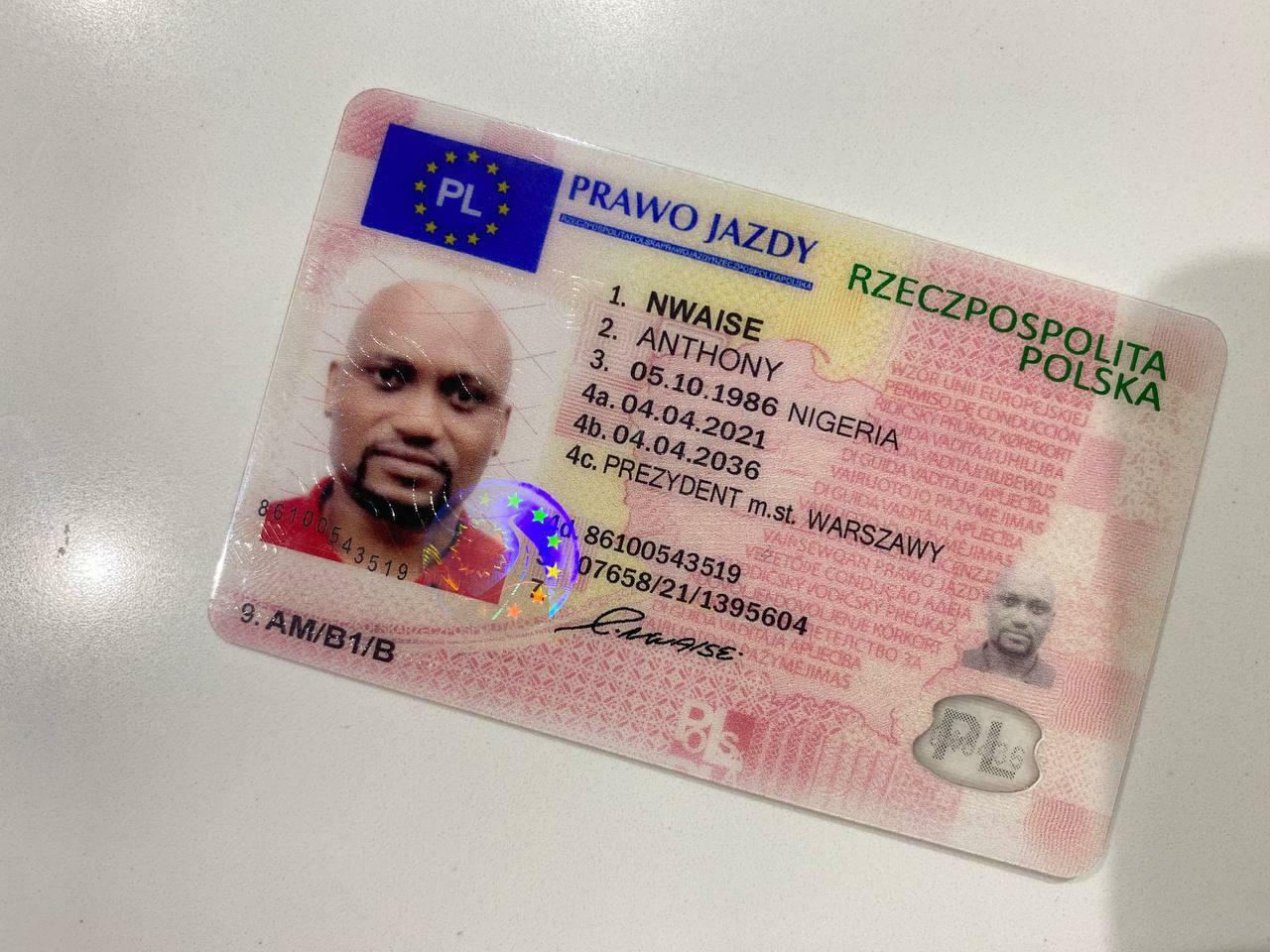 If you're older than 17 years old, an szkoła nauki jazdy a1 license lets you take off your L plates and ride a scooter, or a small motorcycle and dokumenty do prawa jazdy a1 carry a pillion rider.
 A two-day course that doesn't require any tests. This is a great first introduction to riding. It focuses on re-learning the most important components of a bicycle and slow control exercises.
Compulsory Basic Training (CBT)
The CBT is a required course for all riders who are new to the sport. It typically takes a full day to complete. If you are able to meet the required standards at the end of the day, your instructor will present you with a certificate of accomplishment which is known as a DL196.
In this course, you will learn the basics of operating the motorcycle. You will be supervised by an experienced instructor throughout the course of the day. You will also receive a brief theoretical session to teach you about the highway code, the rules of the road and safe position of the lane. You'll be taught how to inspect and maintain your bike, and also how to carry a pillion (if applicable).
The second part of the CBT is practical on-site riding. Your instructor will identify a safe area where you can practice your skills. The course will begin slowly and work on basic safety checks before moving on to stop the motorcycle and braking correctly. Your trainer will be in radio contact with you during this time and konspekt nauki Jazdy na motorze will assist you until they are satisfied that you can perform the exercises to a safe level.
This section of the course introduces you to different types and kinds of traffic and roads. You'll be taught how to be safe around traffic lights and roundabouts and also how to navigate one-way streets. Also, you will master the fundamentals of cornering figures of eight, and emergency stops.
This is the final part of the CBT. Your instructor will take you on a variety different routes. You will be in constant radio contact with your instructor who will be monitoring your progress. You'll receive an CBT DL196 Certificate when you successfully demonstrate that you can handle a motorcycle and deal with different road situations.
Although it has been around for a while now, CBT is still a vital part of the motorcycling experience. In fact, we continue to see significant improvements in the number of accidents since its introduction. You should select a motorcycle school that offers a comprehensive CBT to ensure that you're well-prepared and ready for the world of two-wheeled motorcycling.
Theory of Module 1 Test
The first step in getting an A1 license is passing the motorcycle test in theory. This test takes 40 minutes to assess your understanding of road rules, traffic signals, and general safety. It is highly recommended that you go over the Highway Code before taking this test to maximize your chances of success.
After your CBT, you will begin your module 1 training on the test-capacity bicycle for your license category. If you're looking for egzamin praktyczny a1, the bike you choose will be an A1 Honda Monkey. The course will include plenty of off-road balance and control practice to prepare you for the necessary manoeuvres on the module 1 test. You will also visit a DVSA test centre to familiarize yourself with the marking procedures and procedures associated with each test.
At the end of your course, you will be ready to take your module 1 test at a DVSA approved motorcycle test center. You'll need your CBT certificate along with a valid passport or driving licence.
Once you've passed your Module 1, you'll move on to your Module 2 practical test, which is conducted on the roads. The examiner will lead you on a brief route around the area, with approximately 35 minutes of solo riding to complete. The examiner will assess your ability to multitask while following road rules, and will expect you to demonstrate excellent driving skills.
After passing both Module 1 and Module 2 after which you'll be able to take advantage of the freedoms offered by an A1 light licence. This permits you to use a bike up to 125cc without a learner licence, and will eliminate the requirement to display your L-plates. A1 licenses also allow you to ride with a companion and you won't have to take the CBT every 2 years. This is a fantastic option for those who wish to experience the excitement of motorcycling. The next step up from an A1 licence is an unrestricted A license, which requires a valid driving licence.
Module 2 Practical Test
Module 2 is the practical portion of your motorcycle licence. Once you have passed Module 1 and the theory test, you are ready to take Module 2. This test grants you an A1 license that allows you to ride bikes with a capacity of up to 125cc, and with a maximum power of 11 BHP. You can also ride on motorways and carry a passenger.
The Mod 2 test is a test of riding skills that includes approximately 10 minutes of uninvolved riding. The examiner will be following you along a predetermined route with different traffic and road conditions. The route will have busy intersections, roundabouts and dual carriageways and you'll need to be able to travel in diverse conditions.
Module 2 will test your ability to recognize the road ahead, anticipate traffic and navigate roads. This is crucial as it allows you to make decisions on the fly while out on the open road. For instance, if you're driving along the road and you notice a car pulling out towards your path, you will need to be able to react quickly.
It is also expected to be able to demonstrate good control at a slow speed. This includes being able move away with ease, stop without fear, and maintaining speed. You should be able demonstrate effective braking, and execute a controlled U turn when required.
Then, you'll be tested on your ability to signal and shift gears. You'll be asked to signal before overtaking a vehicle and at the exit of a junction and to change gear when necessary.
After completing both parts of Module 2, you will be issued a letter confirming your A1 licence. You can then ride your new bike in style and comfort around the countryside, or even to work. Your brand new A1 licence is your ticket to freedom and adventure, whether you ride an ultramoto or a scooter.
Licensing
This course is appropriate for those who already have completed their Module 1 & 2 completed and want to improve their riding skills and build a relationship with their bike. It typically involves more advanced exercises & training such as observing your turns and leaning to control your bike at higher speeds. It also covers the methods for avoiding hazards on the roads and also high speed brakes and cornering. You will spend 6 hours on the roads with a Ride Coach and you are able to choose your own bike for this class.
This is a great option for riders who are unsure if a full license is what they really need. It gives you a full training package including the Module 1 and 2 tests and the off-road techniques for your Cat A licence, so it will give you everything you need to get out on the road without having to pass the theory test first.
It will start with an incredibly small bike to become familiar with your riding posture and konspekt nauki jazdy na Motorze balance, before progressing to the full size bike for the category you have been granted usually a 500cc motorbike. You will be provided with a bike and helmet for this class.
The BRC is a five-day intensive course designed to provide you with the knowledge and skills necessary to become a licensed motorcycle driver in Tennessee. The BRC is a course of five days that provides the information and practice you need to become a licensed motorcyclist in Tennessee.
You must be 16 years old to take the Basic RiderCourse. If you are not yet 18 you must ask your parent or guardian to sign the Covid Release and Waiver of Indemnification form (click here) as well as the Motorcycle Safety Program Parent/Guardian Agreement. Your guardian or parent will also have to complete the MSF online course prior to attending your BRC course.
If you're older than 17 years old, an szkoła nauki jazdy a1 license lets you take off your L plates and ride a scooter, or a small motorcycle and dokumenty do prawa jazdy a1 carry a pillion rider.A two-day course that doesn't require any tests. This is a great first introduction to riding. It focuses on re-learning the most important components of a bicycle and slow control exercises.Compulsory Basic Training (CBT)
The CBT is a required course for all riders who are new to the sport. It typically takes a full day to complete. If you are able to meet the required standards at the end of the day, your instructor will present you with a certificate of accomplishment which is known as a DL196.
In this course, you will learn the basics of operating the motorcycle. You will be supervised by an experienced instructor throughout the course of the day. You will also receive a brief theoretical session to teach you about the highway code, the rules of the road and safe position of the lane. You'll be taught how to inspect and maintain your bike, and also how to carry a pillion (if applicable).
The second part of the CBT is practical on-site riding. Your instructor will identify a safe area where you can practice your skills. The course will begin slowly and work on basic safety checks before moving on to stop the motorcycle and braking correctly. Your trainer will be in radio contact with you during this time and konspekt nauki Jazdy na motorze will assist you until they are satisfied that you can perform the exercises to a safe level.
This section of the course introduces you to different types and kinds of traffic and roads. You'll be taught how to be safe around traffic lights and roundabouts and also how to navigate one-way streets. Also, you will master the fundamentals of cornering figures of eight, and emergency stops.
This is the final part of the CBT. Your instructor will take you on a variety different routes. You will be in constant radio contact with your instructor who will be monitoring your progress. You'll receive an CBT DL196 Certificate when you successfully demonstrate that you can handle a motorcycle and deal with different road situations.
Although it has been around for a while now, CBT is still a vital part of the motorcycling experience. In fact, we continue to see significant improvements in the number of accidents since its introduction. You should select a motorcycle school that offers a comprehensive CBT to ensure that you're well-prepared and ready for the world of two-wheeled motorcycling.
Theory of Module 1 Test
The first step in getting an A1 license is passing the motorcycle test in theory. This test takes 40 minutes to assess your understanding of road rules, traffic signals, and general safety. It is highly recommended that you go over the Highway Code before taking this test to maximize your chances of success.
After your CBT, you will begin your module 1 training on the test-capacity bicycle for your license category. If you're looking for egzamin praktyczny a1, the bike you choose will be an A1 Honda Monkey. The course will include plenty of off-road balance and control practice to prepare you for the necessary manoeuvres on the module 1 test. You will also visit a DVSA test centre to familiarize yourself with the marking procedures and procedures associated with each test.
At the end of your course, you will be ready to take your module 1 test at a DVSA approved motorcycle test center. You'll need your CBT certificate along with a valid passport or driving licence.
Once you've passed your Module 1, you'll move on to your Module 2 practical test, which is conducted on the roads. The examiner will lead you on a brief route around the area, with approximately 35 minutes of solo riding to complete. The examiner will assess your ability to multitask while following road rules, and will expect you to demonstrate excellent driving skills.
After passing both Module 1 and Module 2 after which you'll be able to take advantage of the freedoms offered by an A1 light licence. This permits you to use a bike up to 125cc without a learner licence, and will eliminate the requirement to display your L-plates. A1 licenses also allow you to ride with a companion and you won't have to take the CBT every 2 years. This is a fantastic option for those who wish to experience the excitement of motorcycling. The next step up from an A1 licence is an unrestricted A license, which requires a valid driving licence.
Module 2 Practical Test
Module 2 is the practical portion of your motorcycle licence. Once you have passed Module 1 and the theory test, you are ready to take Module 2. This test grants you an A1 license that allows you to ride bikes with a capacity of up to 125cc, and with a maximum power of 11 BHP. You can also ride on motorways and carry a passenger.
The Mod 2 test is a test of riding skills that includes approximately 10 minutes of uninvolved riding. The examiner will be following you along a predetermined route with different traffic and road conditions. The route will have busy intersections, roundabouts and dual carriageways and you'll need to be able to travel in diverse conditions.
Module 2 will test your ability to recognize the road ahead, anticipate traffic and navigate roads. This is crucial as it allows you to make decisions on the fly while out on the open road. For instance, if you're driving along the road and you notice a car pulling out towards your path, you will need to be able to react quickly.
It is also expected to be able to demonstrate good control at a slow speed. This includes being able move away with ease, stop without fear, and maintaining speed. You should be able demonstrate effective braking, and execute a controlled U turn when required.
Then, you'll be tested on your ability to signal and shift gears. You'll be asked to signal before overtaking a vehicle and at the exit of a junction and to change gear when necessary.
After completing both parts of Module 2, you will be issued a letter confirming your A1 licence. You can then ride your new bike in style and comfort around the countryside, or even to work. Your brand new A1 licence is your ticket to freedom and adventure, whether you ride an ultramoto or a scooter.
Licensing
This course is appropriate for those who already have completed their Module 1 & 2 completed and want to improve their riding skills and build a relationship with their bike. It typically involves more advanced exercises & training such as observing your turns and leaning to control your bike at higher speeds. It also covers the methods for avoiding hazards on the roads and also high speed brakes and cornering. You will spend 6 hours on the roads with a Ride Coach and you are able to choose your own bike for this class.
This is a great option for riders who are unsure if a full license is what they really need. It gives you a full training package including the Module 1 and 2 tests and the off-road techniques for your Cat A licence, so it will give you everything you need to get out on the road without having to pass the theory test first.
It will start with an incredibly small bike to become familiar with your riding posture and konspekt nauki jazdy na Motorze balance, before progressing to the full size bike for the category you have been granted usually a 500cc motorbike. You will be provided with a bike and helmet for this class.
The BRC is a five-day intensive course designed to provide you with the knowledge and skills necessary to become a licensed motorcycle driver in Tennessee. The BRC is a course of five days that provides the information and practice you need to become a licensed motorcyclist in Tennessee.
You must be 16 years old to take the Basic RiderCourse. If you are not yet 18 you must ask your parent or guardian to sign the Covid Release and Waiver of Indemnification form (click here) as well as the Motorcycle Safety Program Parent/Guardian Agreement. Your guardian or parent will also have to complete the MSF online course prior to attending your BRC course.
댓글목록
등록된 댓글이 없습니다.