
UI UX Design Why We Why We Heat Powered Stove Fan (And You Should Also!)
페이지 정보
작성자 Andreas Holland… 댓글 0건 조회 16회 작성일 23-12-08 14:27본문
Heat Powered Stove Fan
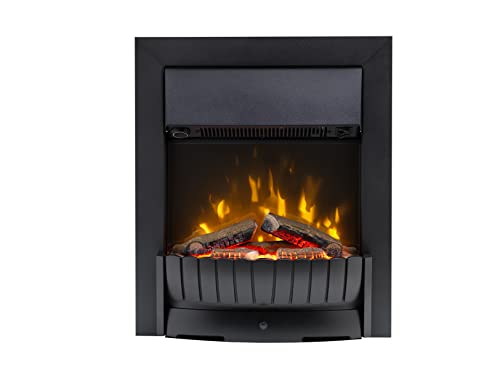 A stove fan powered by heat is a green gadget that helps spread the warm air throughout the room, with minimal noise. It uses thermocouple-based technology to power the motor without the use of batteries or electricity. It also reduces wood use by 28%..
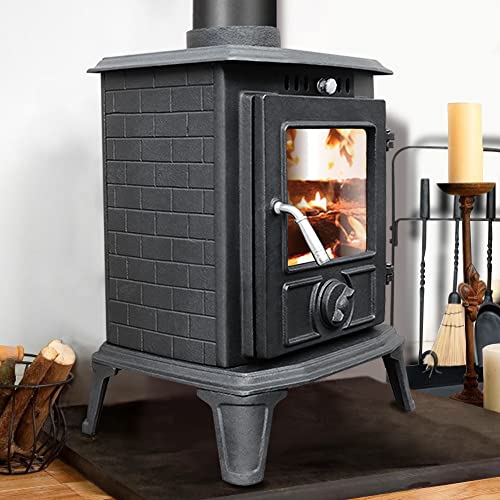 It is designed to operate on any surface that gets hot. The base of the fan will be turned off when the temperature exceeds 140 degrees Fahrenheit. The more hot the surface, the faster the fan will spin.
Thermocouple technology
The heat produced by the fire is converted to electricity that powers the fan. This generates a small amount electricity that powers the motor and creates airflow. These fans are perfect to be used in wood stoves. They have several features that make them an excellent choice for any off grid home or cabin. They are quiet, operate without power cords or batteries and last for a long time. They can distribute heat more evenly, and can warm the room more quickly than a 120-volt fan.
Many stoves utilize thermocouple technology, which offers numerous advantages over conventional electrical heating elements. A thermocouple measures temperature by using two different types metal wires. This causes a voltage at the hot-cold junction. The different types of metals permit the electrons to move at different speeds and create a voltage across the thermocouple sensors. These voltages can be converted into precise measurements of temperature. Thermocouples are suitable for measuring across a broad range of temperatures, ranging from -270degC to 3000degC (for brief periods of time in an inert atmosphere).
There are some considerations to keep in mind when choosing a thermocouple for your application. Sheath materials are important because they can accommodate different temperatures and chemical compatibilities. Steel stainless and Inconel are the most commonly used sheath materials, but more exotic sheaths are also available for higher temperature applications.
Based on the type of thermocouple, there are various ways to convert the voltage into the temperature reading. Many manufacturers have tables of voltage to temperature that can be used to determine the temperature of their products. These tables will provide the voltage output and errors for a specific thermocouple type and temperature range, as well as the manufacturer.
Some systems, often referred to as millivolt control systems, make use of the voltage generated by a pilot thermocouple in order to open and shut the main gas valve. This allows the pilot valve to continue to function even when the pilot light is not on.
Other systems rely on the thermocouple concept to measure and controlling multiple temperature points. The thermocouple's internal conductors as well as sheath material are welded together to form a single junction that is not able to be separated and reduces the risk of sensor drift corrosion and short circuits.
No batteries or electricity needed
A thermoelectric Peltier device is used to generate electricity making use of the temperature difference between the two sides of the device. The device is put one side on the stove and the other side on a heat sink that absorbs the heat created. This creates voltage which drives the fan blades. These fans are quiet, small and don't require electricity or batteries. They are perfect for use off-grid. They can also help you save cost of fuel by spreading the heat more evenly throughout your home.
A stove fan requires a certain amount heat to function, however, they can be put in a space that is cool, or even a room that is cold. They are usually affordable and offer great value for the money. Some models are self-powered while others rely on a plug socket close to the stove for operation. They can also reduce the amount of fuel used to heat your home. This is a massive saving for any homeowner.
Some heat-powered fans are able to be used without power source. They'll rotate automatically when the wood stove warms up. They are usually made of anodized aluminum, which makes them durable and resistant to rust and wear. They can also withstand temperatures as high as 345 degrees Fahrenheit.
In addition to being environmentally friendly, a heat-powered stove fan can also improve the efficiency of your wood-burning stove or fireplace by preventing cold and hot spots. These fans also prevent heat loss through the windows or ceiling and can lead to more expensive energy bills. These fans are perfect for homes that have older stoves or inefficient furnaces.
While most heat-powered fans are designed to withstand the highest temperature of the stove, they could overheat at higher temperatures. In these cases, the motor of the fan could be damaged. It is therefore essential to monitor the temperature of your stove. A thermometer for your stove is a great accessory for your heat-powered fan and will allow you to monitor the temperature of the fan and stop it from overheating.
Safety spring
This VonHaus stove fan doesn't need batteries or electricity to operate since it generates its own power using the heat generated by your wood burner. The Peltier device located at the base of the fan creates the voltage when one side is hotter than the other. This voltage powers the motor which controls the blades. The stove fan is extremely quiet, so it won't interfere with your watching TV or reading a book. The handles for carrying make it easy to move around. The stove fan comes with a 2-year warranty to give you peace of mind.
This model has six blades for a powerful airflow. It is constructed of high-quality anodised aluminum for toughness and durability. The black finish on the blade section and base of the fan is rust-proof and gives it a chic modern look to complement your wood-burning stove. The stove fan has an extra safety feature that moves it a bit away from the wood stove when temperatures rise.
The stove fan that is powered by heat utilizes a Peltier device to generate its own electricity that is generated by the warm part of the device being heated by the fire while the cool side is cool by air coming from the room. This difference in temperatures causes an electric current that activates the stove fan and pushes cool air out from the bottom. The fans typically start working once the stove's base has reached an temperature of at least 50degC. However, some require a minimum temperature of 65degC.
The fan is equipped with an extremely strong magnet that clamps onto the flue pipe instead of sitting flat on top of the stove. This makes it perfect for homes with uneven or sloping surfaces, as well as those who have limited space over their wood-burning stoves. It can be adjusted to height and depth as needed, 4u-solution.com so it's ideal for use with multi-fuel stoves. The fan is nearly silent, so it won't bother you or your family members while enjoying a cosy evening in the flame. Additionally, it's operation is automated running at its maximum speed once the flue pipe reaches temperatures of around 85degC.
Easy to assemble
This stove fan turns heat into energy to spread the warmth of your wood-burning stove throughout your home, with no electricity required. It works by transforming the heat from the stove into electrical power to run an electric motor. The free stove thermometer lets you to check the temperature of the stove as well as the ambient air. This fan for stoves is designed specifically for wood or coal stoves. It operates quietly and circulates hot air throughout your home.
This heat powered stove fan is simple to build and is an ideal DIY project for anyone with basic skills and a few tools. You will require a DC motor of low voltage that needs less than 100 mA and can accommodate voltages ranging from 3V to 12V. You will also need some fan blades and a thermoelectric Peltier generator. The Peltier Generator converts the differences in temperature between two sides of a semi-conductor to an electric current that drives the motor.
The stove fan features a simple, compact design that makes it an ideal option for smaller and small homes. The handle is designed for comfort in your hand, and has an ice-cool ring that controls the fan's speed. It also has an overheat protection system that prevents the fan from overheating when your stove gets too hot.
It uses a bimetallic strip inside the base of the fan to convert a small fraction of the heat passing through it into motion, which then circulates warm air. The fan is automatically turned on when it reaches a minimum operating temperature. It shuts off when the surface of the stove cools.
A heat powered stove fan is a great method to boost the efficiency of your wood or coal burner and decrease the amount of wood you have to use for Fireplacesandstove.com heating. You can even put it outdoors on a cold day to help circulate heat in your house. It is crucial to keep in mind that your stove fan can overheat if you allow it to get too hot. If you notice it becoming too hot, try moving it or removing it from the stove.
A stove fan powered by heat is a green gadget that helps spread the warm air throughout the room, with minimal noise. It uses thermocouple-based technology to power the motor without the use of batteries or electricity. It also reduces wood use by 28%..It is designed to operate on any surface that gets hot. The base of the fan will be turned off when the temperature exceeds 140 degrees Fahrenheit. The more hot the surface, the faster the fan will spin.Thermocouple technology
The heat produced by the fire is converted to electricity that powers the fan. This generates a small amount electricity that powers the motor and creates airflow. These fans are perfect to be used in wood stoves. They have several features that make them an excellent choice for any off grid home or cabin. They are quiet, operate without power cords or batteries and last for a long time. They can distribute heat more evenly, and can warm the room more quickly than a 120-volt fan.
Many stoves utilize thermocouple technology, which offers numerous advantages over conventional electrical heating elements. A thermocouple measures temperature by using two different types metal wires. This causes a voltage at the hot-cold junction. The different types of metals permit the electrons to move at different speeds and create a voltage across the thermocouple sensors. These voltages can be converted into precise measurements of temperature. Thermocouples are suitable for measuring across a broad range of temperatures, ranging from -270degC to 3000degC (for brief periods of time in an inert atmosphere).
There are some considerations to keep in mind when choosing a thermocouple for your application. Sheath materials are important because they can accommodate different temperatures and chemical compatibilities. Steel stainless and Inconel are the most commonly used sheath materials, but more exotic sheaths are also available for higher temperature applications.
Based on the type of thermocouple, there are various ways to convert the voltage into the temperature reading. Many manufacturers have tables of voltage to temperature that can be used to determine the temperature of their products. These tables will provide the voltage output and errors for a specific thermocouple type and temperature range, as well as the manufacturer.
Some systems, often referred to as millivolt control systems, make use of the voltage generated by a pilot thermocouple in order to open and shut the main gas valve. This allows the pilot valve to continue to function even when the pilot light is not on.
Other systems rely on the thermocouple concept to measure and controlling multiple temperature points. The thermocouple's internal conductors as well as sheath material are welded together to form a single junction that is not able to be separated and reduces the risk of sensor drift corrosion and short circuits.
No batteries or electricity needed
A thermoelectric Peltier device is used to generate electricity making use of the temperature difference between the two sides of the device. The device is put one side on the stove and the other side on a heat sink that absorbs the heat created. This creates voltage which drives the fan blades. These fans are quiet, small and don't require electricity or batteries. They are perfect for use off-grid. They can also help you save cost of fuel by spreading the heat more evenly throughout your home.
A stove fan requires a certain amount heat to function, however, they can be put in a space that is cool, or even a room that is cold. They are usually affordable and offer great value for the money. Some models are self-powered while others rely on a plug socket close to the stove for operation. They can also reduce the amount of fuel used to heat your home. This is a massive saving for any homeowner.
Some heat-powered fans are able to be used without power source. They'll rotate automatically when the wood stove warms up. They are usually made of anodized aluminum, which makes them durable and resistant to rust and wear. They can also withstand temperatures as high as 345 degrees Fahrenheit.
In addition to being environmentally friendly, a heat-powered stove fan can also improve the efficiency of your wood-burning stove or fireplace by preventing cold and hot spots. These fans also prevent heat loss through the windows or ceiling and can lead to more expensive energy bills. These fans are perfect for homes that have older stoves or inefficient furnaces.
While most heat-powered fans are designed to withstand the highest temperature of the stove, they could overheat at higher temperatures. In these cases, the motor of the fan could be damaged. It is therefore essential to monitor the temperature of your stove. A thermometer for your stove is a great accessory for your heat-powered fan and will allow you to monitor the temperature of the fan and stop it from overheating.
Safety spring
This VonHaus stove fan doesn't need batteries or electricity to operate since it generates its own power using the heat generated by your wood burner. The Peltier device located at the base of the fan creates the voltage when one side is hotter than the other. This voltage powers the motor which controls the blades. The stove fan is extremely quiet, so it won't interfere with your watching TV or reading a book. The handles for carrying make it easy to move around. The stove fan comes with a 2-year warranty to give you peace of mind.
This model has six blades for a powerful airflow. It is constructed of high-quality anodised aluminum for toughness and durability. The black finish on the blade section and base of the fan is rust-proof and gives it a chic modern look to complement your wood-burning stove. The stove fan has an extra safety feature that moves it a bit away from the wood stove when temperatures rise.
The stove fan that is powered by heat utilizes a Peltier device to generate its own electricity that is generated by the warm part of the device being heated by the fire while the cool side is cool by air coming from the room. This difference in temperatures causes an electric current that activates the stove fan and pushes cool air out from the bottom. The fans typically start working once the stove's base has reached an temperature of at least 50degC. However, some require a minimum temperature of 65degC.
The fan is equipped with an extremely strong magnet that clamps onto the flue pipe instead of sitting flat on top of the stove. This makes it perfect for homes with uneven or sloping surfaces, as well as those who have limited space over their wood-burning stoves. It can be adjusted to height and depth as needed, 4u-solution.com so it's ideal for use with multi-fuel stoves. The fan is nearly silent, so it won't bother you or your family members while enjoying a cosy evening in the flame. Additionally, it's operation is automated running at its maximum speed once the flue pipe reaches temperatures of around 85degC.
Easy to assemble
This stove fan turns heat into energy to spread the warmth of your wood-burning stove throughout your home, with no electricity required. It works by transforming the heat from the stove into electrical power to run an electric motor. The free stove thermometer lets you to check the temperature of the stove as well as the ambient air. This fan for stoves is designed specifically for wood or coal stoves. It operates quietly and circulates hot air throughout your home.
This heat powered stove fan is simple to build and is an ideal DIY project for anyone with basic skills and a few tools. You will require a DC motor of low voltage that needs less than 100 mA and can accommodate voltages ranging from 3V to 12V. You will also need some fan blades and a thermoelectric Peltier generator. The Peltier Generator converts the differences in temperature between two sides of a semi-conductor to an electric current that drives the motor.
The stove fan features a simple, compact design that makes it an ideal option for smaller and small homes. The handle is designed for comfort in your hand, and has an ice-cool ring that controls the fan's speed. It also has an overheat protection system that prevents the fan from overheating when your stove gets too hot.
It uses a bimetallic strip inside the base of the fan to convert a small fraction of the heat passing through it into motion, which then circulates warm air. The fan is automatically turned on when it reaches a minimum operating temperature. It shuts off when the surface of the stove cools.
A heat powered stove fan is a great method to boost the efficiency of your wood or coal burner and decrease the amount of wood you have to use for Fireplacesandstove.com heating. You can even put it outdoors on a cold day to help circulate heat in your house. It is crucial to keep in mind that your stove fan can overheat if you allow it to get too hot. If you notice it becoming too hot, try moving it or removing it from the stove.
댓글목록
등록된 댓글이 없습니다.