
POP Guide To Wood Stove Burning: The Intermediate Guide For Wood Stove Bur…
페이지 정보
작성자 Edgardo 댓글 0건 조회 19회 작성일 24-04-29 01:54본문
The Advantages of Wood Stove Burning
The wood stove is the ideal method to heat your home and keep it warm. However, there are some important things to keep in mind before you begin an fire.
All wood stoves require constant air flow in order to create heat and ignite. The flow of air is controlled by dampers in the stove's door and the flue pipe leading to the chimney.
Warmth
Stoves are able to heat your home by convection, in contrast to central heating which is pumped through ductwork to be distributed throughout the home. They also can provide radiant heat, however this can be colder than a convection heater since the warmth is being stored by a solid object rather than dissipated into the air. A wood stove burns firewood to produce radiant warmth that can bring lots of warmth to a room in a relatively short period of time.
The type of wood you use and the method by which it is seasoned will affect how your stove will perform. Hard woods such as hazel, birch, oak and hazelnut are more difficult to burn, yet they produce long-lasting, consistent heat. These kinds of woods are ideal for heating your home since they have an extremely high energy density. Soft woods like spruce and fir have a lower energy density, which means they burn more quickly and emit more carbon dioxide.
A majority of modern wood-burning stoves come with turn dampers installed in the inside of the pipe that connects to the chimney. The dampers can be turned to control the amount of heat that is retained within your home by regulating the speed at which combustion gases leave your stove.
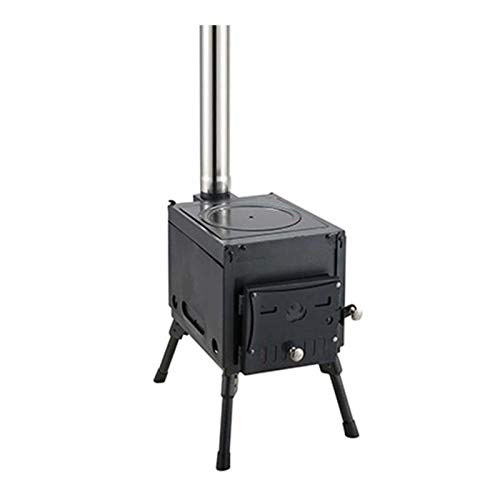
The wood stove is the ideal method to heat your home and keep it warm. However, there are some important things to keep in mind before you begin an fire.
All wood stoves require constant air flow in order to create heat and ignite. The flow of air is controlled by dampers in the stove's door and the flue pipe leading to the chimney.
Warmth
Stoves are able to heat your home by convection, in contrast to central heating which is pumped through ductwork to be distributed throughout the home. They also can provide radiant heat, however this can be colder than a convection heater since the warmth is being stored by a solid object rather than dissipated into the air. A wood stove burns firewood to produce radiant warmth that can bring lots of warmth to a room in a relatively short period of time.
The type of wood you use and the method by which it is seasoned will affect how your stove will perform. Hard woods such as hazel, birch, oak and hazelnut are more difficult to burn, yet they produce long-lasting, consistent heat. These kinds of woods are ideal for heating your home since they have an extremely high energy density. Soft woods like spruce and fir have a lower energy density, which means they burn more quickly and emit more carbon dioxide.
A majority of modern wood-burning stoves come with turn dampers installed in the inside of the pipe that connects to the chimney. The dampers can be turned to control the amount of heat that is retained within your home by regulating the speed at which combustion gases leave your stove.
댓글목록
등록된 댓글이 없습니다.