
UI UX Design What's The Job Market For Gas Engineer Certificate Professionals Like?
페이지 정보
작성자 Gisele Rebell 댓글 0건 조회 16회 작성일 24-11-25 17:21본문
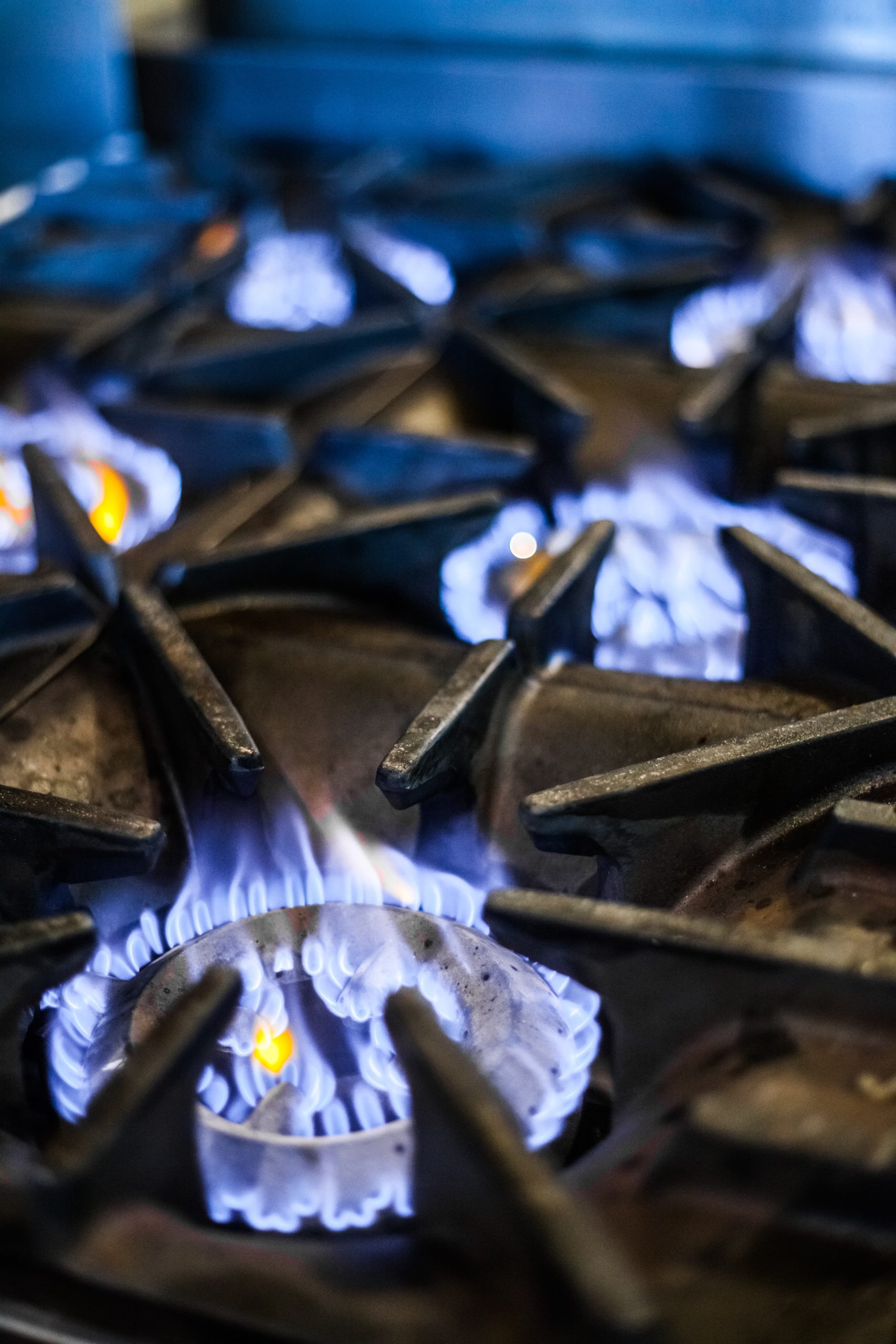 Gas Engineer Certificate
Gas engineering is a rewarding career for those who enjoy solving problems and performing hands-on work. It is a lucrative career that offers job stability and flexibility.
It is crucial to stay abreast of industry trends and best practice to maintain competence and adhere to safety standards. This ensures that customers receive top-quality service and minimises the risk of incidents or accidents.
Training
Gas engineer jobs are highly sought-after with a stable career path with a competitive salary and the chance to move into managerial jobs. The responsibilities of this job include installing repair, testing, and installation of massive gas systems. These professionals must undergo rigorous training to learn the necessary skills and acquire the appropriate certifications. Training programs usually combine academic courses with practical experience to prepare the trainees for the demands of the job.
There are a variety of routes to becoming gas engineers that include traditional NVQ apprenticeships and dedicated training programmes. The latter, such as Viva Training's comprehensive 26-week course of managed learning, provides an education that is more structured than apprenticeships, and allows trainees to earn money while they are learning. The program includes classroom instruction on plumbing, heating and boiler gas engineer concepts, as well as practical workshops that develop the skills needed for pipework installation, and supervised work experience to create an portfolio.
CCN1 and CENWAT tests are not required for those who already have an appropriate plumbing NVQ qualification for example, the Level 3 Diploma of Gas Engineering. This alternative route is called 'APL.' It requires a smaller number of units.
Gas engineers must be a part of the Gas Safe Register once they have the legal qualifications to perform gas work. This is a legal requirement that helps build trust among customers in the field and ensures safety standards. People who do not renew their registration on time are not allowed to continue working on gas installations and appliances, and pose a risk to customers.
Gas engineers face a variety of challenges, especially those who are brand new to the field. To achieve success, individuals need to have excellent interpersonal skills and organisational abilities in addition to their technical knowledge of gas industry. These skills are essential for managing large projects and keeping an agenda, as well as communicating effectively with customers and colleagues.
Gas engineers should also be able to work in cramped spaces, like behind kitchen cabinets, or inside boilers. They may also need to lift heavy objects and sit for long periods of time while performing repairs. This is especially true in commercial properties where the size of the gas systems and pipes could be larger than in domestic settings.
Certification
Gas engineers are in high demand due to their vital role in maintaining and repairing appliances and systems that utilize gas. The profession offers lucrative salaries and the freedom to select projects that match personal interests and skills. This is particularly appealing to those who love working with their hands and solving technical problems. To become a gas engineer you'll need to go through rigorous training and tests. The process can last up to two years, which is why it's important to understand the timeframe for training ahead of time so that you can plan in advance.
There are a number of ways to become gas engineers, such as completing an introductory course with an accredited training company or enrolling in an apprenticeship program in gas engineering or switching from a different construction trade. Apprenticeships are the most popular route, as they allow you to earn while you learn. Private construction training is also becoming more popular, though, as it allows you to finish your gas qualification much quicker than an apprenticeship.
After you have completed your training and passing the required assessments, you must apply to join the Gas Safe Register. It is legally required in the United Kingdom for anyone who works on gas systems or appliances. It is not only a legal requirement but also provides peace of mind to customers knowing that the contractor they choose to work with is independently screened to be in compliance with the highest standards of safety.
After you have earned your Gas Safe registration, you must keep it up-to-date by submitting job logs as well as other forms of documentation. You can maintain your competence and keep up to date with industry safety standards. You must keep your Gas Safe Certificate and government-issued ID in all times to show your credentials to anyone who asks.
The Level 3 Diploma in Gas Engineering is designed for fresh entrants to the industry and students enrolled in an apprenticeship programme. It consists of classroom instruction, hands-on workshops, e-learning, and on-site assignments. This enables trainees to build the foundation of plumbing and gas boiler engineer near me theory, as well as heating fundamentals while developing practical skills in the installation of pipes and appliance functions as well as maintenance.
Inspections
Gas engineers must be registered on the gas safe register in order to conduct a visual examination of appliances and confirm they meet safety standards. After an engineer has successfully completed a gas safety check and is able to issue the landlord with a gas certificate. The certificate contains crucial details, including the date of the inspection as well as the address of the property. The document also lists all appliances that have been checked, and their current state.
The inspection aims to stop explosions, fires and reduce the chance of poisoning by carbon monoxide. It requires the inspector to visually inspect all gas pipes, employ an ignitable gas detector to find any leaks. In addition, the inspector must submit a report of all findings to the DOB within 30 days of the inspection.
All buildings must be inspected periodically by an experienced master plumber licensed (LMP) and/or someone who is under the direct supervision. This is an obligation that must be observed every four years. LMPs must also be able to provide the DOB the list of defective installations, non-code compliant connections, or unsafe connections within the building. In addition, they must be able to recognize frayed and worn parts of piping that can affect the safety and security of the operation.
Engineers are required by law to inspect alarms for safety and fire, as well as conduct gas heating engineer safety inspections. They also need to ensure that the alarms are in good in good working order. This can help prevent accidents such as fires and explosions that could cause death. Additionally, the engineer should ensure that all appliances are in good in good working order and there isn't any sign of carbon monoxide poisoning.
The hiring of a gas engineer certified is essential, since the possibility of hiring a fake. The only way to avoid these risks is to check their identity and registration details on the Gas Safe Register. Always ask to see their ID cards before allowing them into your home.
As a landlord, you're accountable for ensuring that your tenants remain safe and protected against the dangers of natural gas. You must be able to show the gas safety certification, which confirms that the appliances are safe to use. Keep a record of the maintenance done on your gas appliances and pipework.
 Requirements
Gas engineering is a lucrative career that can lead to lucrative employment opportunities. It is a highly-specialised field that requires specialized qualifications to start working. Those aspiring to become a gas engineer should have at least GCSEs in maths and science as well as have basic mechanical skills. The learning process for this job can last up to 26 weeks, dependent on the education option.
Those interested in becoming a gas engineer should select an accredited gas engineering school. These schools are known for their high-quality education and industry connections. They also offer a range of different undergraduate and postgraduate programs. They also offer hands-on experiences to help students acquire the knowledge and skills they require for a successful career in gas engineering.
Once a person has completed their training and gained relevant qualifications, they can apply to join the Gas Safe Register. This is a legal requirement and ensures that gas engineers are trained to work safely on gas appliances for commercial and domestic use. The application process requires proofs of identity and other qualifications.
After the gas engineer has carried out an inspection or safety check, they must issue the owner of the property the certificate which outlines the details about the appliances that have been checked. The certificate will include information about the name of the engineer and their registration number. The engineer should carry an ID card at all any time. They must show it to anyone who inquires.
Gas Safe registered engineers are required to undergo regular retraining in order to keep their skills and knowledge current. They are required to renew their Accredited Certification Scheme (ACS) qualification every five years, which entails taking refresher courses and reassessments. In addition to keeping their certifications current, retraining can improve the chances of career advancement for gas engineers and increase their value to clients.
It is crucial for landlords to get their gas appliances examined by a certified Gas Safe engineer at least every year. This will help prevent any dangers that could arise and ensure the safety of their tenants. Landlords should hire an engineer who is licensed and insured to provide these services. They should also verify whether the engineer has a valid Gas Safe certificate.
댓글목록
등록된 댓글이 없습니다.