
Web Banner Patio Door Track Repair Tools To Help You Manage Your Daily Life Patio…
페이지 정보
작성자 Lizzie 댓글 0건 조회 13회 작성일 25-02-07 15:31본문
How to Fix Sliding Patio Door Track Repair
The sliding patio doors are gorgeous and convenient, but they can experience issues with time that make them difficult for you to operate. The majority of the time, these issues are caused by dirty or damaged rollers or tracks, which can be fixed by cleaning and spraying a lubricant like WD-40.
Use your vacuum cleaner to remove any large amounts of dirt and other debris. Then, scrub the track using a brush and cleaning product as you move the door forwards and backwards periodically. Apply a silicone-based grease to reduce friction.
Repairing Dented Tracks
Patio doors are a beautiful feature to any home, but when they stop sliding or do not open smoothly, it can be a frustrating experience. The good news is that in many instances, a few easy steps can help your sliding patio door lock repair door return to its normal operation.
A major cause of a jammed or difficult to move door is the accumulation of dirt within the track channels. To remedy this problem, you must take the door off the track. Clean it thoroughly. You can make use of a toothbrush to get rid of the dirt and grime that is deeper. Once the track has been cleaned, a silicone-based oil can be applied to avoid future problems.
Also, check the rollers for damage or misalignment. The rollers are located on the bottom of the door, and they help to guide it along the track. If they're damaged or are not aligned properly, the doors might be difficult to move and may require replacement.
Check the tracks visually to check for any bends or dent. Bends that are inward can pinch and make the door unusable, while outward bends could cause damage to the rollers or even derail them completely. If you notice bent sections of the track Try to straighten them by using a set of tools like pliers or a hammer along with a block of wood patio door repair. However, serious bends will likely require professional repair or even replacement.
If these easy solutions don't work, you may need to replace the track. In this case you can purchase kits in most hardware stores that allow you to screw an entirely new track on the existing one. These track replacement kits are available in several lengths and can be cut to fit your specific doors.
It's also a good idea to check if your track is bent or breaking, or is showing signs of wear. In the majority of cases, professionals will be able determine the root of the issue and recommend a solution that is both safe and effective.
Repairing Broken Tracks
In most cases, a patio door that's stuck or difficult to move is caused by dirt or damage to the track. Dirt and debris build up over time. If your tracks are bent or damaged they might require repair or replacement by a professional. Fortunately, there are steps you can take to diagnose the problem and fix it yourself.
Check the track first to ensure that it isn't blocked by anything other than rust or dust. If the track is blocked by something other than rust or dust A thorough clean using the use of a soft detergent should remove obstructions and allow for smooth movement.
Then, check the rollers to ensure they are not sticking or catching. A broken or faulty roller can cause the door to snag and cause further damage to the track, which may require repair or replacement by a professional. You may be able solve the issue if the rollers are not damaged by lubricating the rollers. A silicone-based lubricant may help reduce friction between the rollers and the track which makes it easier for the door to slide.
A misaligned door roller can also cause the sliding door to stick or be difficult for you to operate. To fix this, locate the screws for adjusting the rollers and adjust them until they are properly aligned with the track.
Another common cause of an unmovable or stuck patio door is the worn weather stripping. You can replace this yourself by removing the weather stripping at the bottom of the fixed panel and from the jamb with an screwdriver, then taking the old strip off and sunking the new one.
If the track is severely bent, it's best to let a professional patio door contractor who can fix the problem and make sure the track is secured safely in place with no further damage or bending. If your track is bent or kinked, you could straighten it using a pair metal-bending pliers. If you are unable straighten the track on your own, use a rubber hammer and a piece of wood. Continue to pound the bent section until it is straight.
Repairing damaged Rollers
Rollers can be the reason for noisy sliding patio doors, or difficulties in rolling. They may become dirty and stiff with time, which causes the door to slide against the track, and then become noisy. To solve this issue first, clean the bottom track and then grease the rollers so that they smooth them back. When the rollers are clean and smooth, you can place the door back on its tracks. Reattach any clips or braces used to keep the door in place after it was taken from its frame.
The sliding patio doors are typically heavy, so it is recommended to have a person help you lift the door and then tilt it to your left and then release it from the bottom track. Set the sliding patio door on a stable flat surface like a table or sawhorses. Remove any grilles that are removable shades, drapes, or shades from the doors. Remove any screws that hold the head stop molding (Photo 2). On some older aluminum doors this step isn't mandatory, but it's something you should take if you have one. Next, back out the adjustment screw for the rollers on each end of the frame. This screw regulates the height of the rollers and turning it clockwise lowers the rollers and counterclockwise raises them.
It is helpful to have a friend close by to assist you in disengaging the rollers. You'll need tools such as the screwdriver that has Phillips head, and possibly pry-bars or a rigid putty knife to accomplish this. Once the rollers are free they can be cleaned by taking off the dust cap and getting rid of any debris that has accumulated on the wheel mechanism. Then, wipe the surfaces with alcohol to remove any remaining dirt or residue. Once the rollers are cleaned, apply lubrication using a silicone-based lubricant that resists dirt and keeps them sliding smoothly.
Install the door by first putting the top of the door in the track, then swinging the bottom. It is essential to reinstall the new rollers correctly, so that they are at their highest position inside the track frame. This will allow doors to slide in easily without rubbing on the tracks.
Repairing damaged wheels
The wheels of a emergency patio door repair door could be worn out, which is why it sags. Check both sets of wheels and replace them if needed. Clean the tracks too to prevent grit from destroying the wheels. Straighten bent tracks using pliers or by hitting a block of wooden against the bent area with the hammer. If the tracks are damaged, you can try covering the track sill. Installation is easy and takes less than an hour.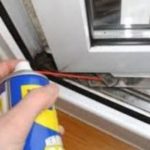
The sliding patio doors are gorgeous and convenient, but they can experience issues with time that make them difficult for you to operate. The majority of the time, these issues are caused by dirty or damaged rollers or tracks, which can be fixed by cleaning and spraying a lubricant like WD-40.
Use your vacuum cleaner to remove any large amounts of dirt and other debris. Then, scrub the track using a brush and cleaning product as you move the door forwards and backwards periodically. Apply a silicone-based grease to reduce friction.
Repairing Dented Tracks
Patio doors are a beautiful feature to any home, but when they stop sliding or do not open smoothly, it can be a frustrating experience. The good news is that in many instances, a few easy steps can help your sliding patio door lock repair door return to its normal operation.
A major cause of a jammed or difficult to move door is the accumulation of dirt within the track channels. To remedy this problem, you must take the door off the track. Clean it thoroughly. You can make use of a toothbrush to get rid of the dirt and grime that is deeper. Once the track has been cleaned, a silicone-based oil can be applied to avoid future problems.
Also, check the rollers for damage or misalignment. The rollers are located on the bottom of the door, and they help to guide it along the track. If they're damaged or are not aligned properly, the doors might be difficult to move and may require replacement.
Check the tracks visually to check for any bends or dent. Bends that are inward can pinch and make the door unusable, while outward bends could cause damage to the rollers or even derail them completely. If you notice bent sections of the track Try to straighten them by using a set of tools like pliers or a hammer along with a block of wood patio door repair. However, serious bends will likely require professional repair or even replacement.
If these easy solutions don't work, you may need to replace the track. In this case you can purchase kits in most hardware stores that allow you to screw an entirely new track on the existing one. These track replacement kits are available in several lengths and can be cut to fit your specific doors.
It's also a good idea to check if your track is bent or breaking, or is showing signs of wear. In the majority of cases, professionals will be able determine the root of the issue and recommend a solution that is both safe and effective.
Repairing Broken Tracks
In most cases, a patio door that's stuck or difficult to move is caused by dirt or damage to the track. Dirt and debris build up over time. If your tracks are bent or damaged they might require repair or replacement by a professional. Fortunately, there are steps you can take to diagnose the problem and fix it yourself.
Check the track first to ensure that it isn't blocked by anything other than rust or dust. If the track is blocked by something other than rust or dust A thorough clean using the use of a soft detergent should remove obstructions and allow for smooth movement.
Then, check the rollers to ensure they are not sticking or catching. A broken or faulty roller can cause the door to snag and cause further damage to the track, which may require repair or replacement by a professional. You may be able solve the issue if the rollers are not damaged by lubricating the rollers. A silicone-based lubricant may help reduce friction between the rollers and the track which makes it easier for the door to slide.
A misaligned door roller can also cause the sliding door to stick or be difficult for you to operate. To fix this, locate the screws for adjusting the rollers and adjust them until they are properly aligned with the track.
Another common cause of an unmovable or stuck patio door is the worn weather stripping. You can replace this yourself by removing the weather stripping at the bottom of the fixed panel and from the jamb with an screwdriver, then taking the old strip off and sunking the new one.
If the track is severely bent, it's best to let a professional patio door contractor who can fix the problem and make sure the track is secured safely in place with no further damage or bending. If your track is bent or kinked, you could straighten it using a pair metal-bending pliers. If you are unable straighten the track on your own, use a rubber hammer and a piece of wood. Continue to pound the bent section until it is straight.
Repairing damaged Rollers
Rollers can be the reason for noisy sliding patio doors, or difficulties in rolling. They may become dirty and stiff with time, which causes the door to slide against the track, and then become noisy. To solve this issue first, clean the bottom track and then grease the rollers so that they smooth them back. When the rollers are clean and smooth, you can place the door back on its tracks. Reattach any clips or braces used to keep the door in place after it was taken from its frame.
The sliding patio doors are typically heavy, so it is recommended to have a person help you lift the door and then tilt it to your left and then release it from the bottom track. Set the sliding patio door on a stable flat surface like a table or sawhorses. Remove any grilles that are removable shades, drapes, or shades from the doors. Remove any screws that hold the head stop molding (Photo 2). On some older aluminum doors this step isn't mandatory, but it's something you should take if you have one. Next, back out the adjustment screw for the rollers on each end of the frame. This screw regulates the height of the rollers and turning it clockwise lowers the rollers and counterclockwise raises them.
It is helpful to have a friend close by to assist you in disengaging the rollers. You'll need tools such as the screwdriver that has Phillips head, and possibly pry-bars or a rigid putty knife to accomplish this. Once the rollers are free they can be cleaned by taking off the dust cap and getting rid of any debris that has accumulated on the wheel mechanism. Then, wipe the surfaces with alcohol to remove any remaining dirt or residue. Once the rollers are cleaned, apply lubrication using a silicone-based lubricant that resists dirt and keeps them sliding smoothly.
Install the door by first putting the top of the door in the track, then swinging the bottom. It is essential to reinstall the new rollers correctly, so that they are at their highest position inside the track frame. This will allow doors to slide in easily without rubbing on the tracks.
Repairing damaged wheels
The wheels of a emergency patio door repair door could be worn out, which is why it sags. Check both sets of wheels and replace them if needed. Clean the tracks too to prevent grit from destroying the wheels. Straighten bent tracks using pliers or by hitting a block of wooden against the bent area with the hammer. If the tracks are damaged, you can try covering the track sill. Installation is easy and takes less than an hour.
댓글목록
등록된 댓글이 없습니다.