
Web Banner See What Great Green Macaw Tricks The Celebs Are Using
페이지 정보
작성자 Terra 댓글 0건 조회 19회 작성일 25-02-09 06:17본문
Information Regarding the Great Green Macaw
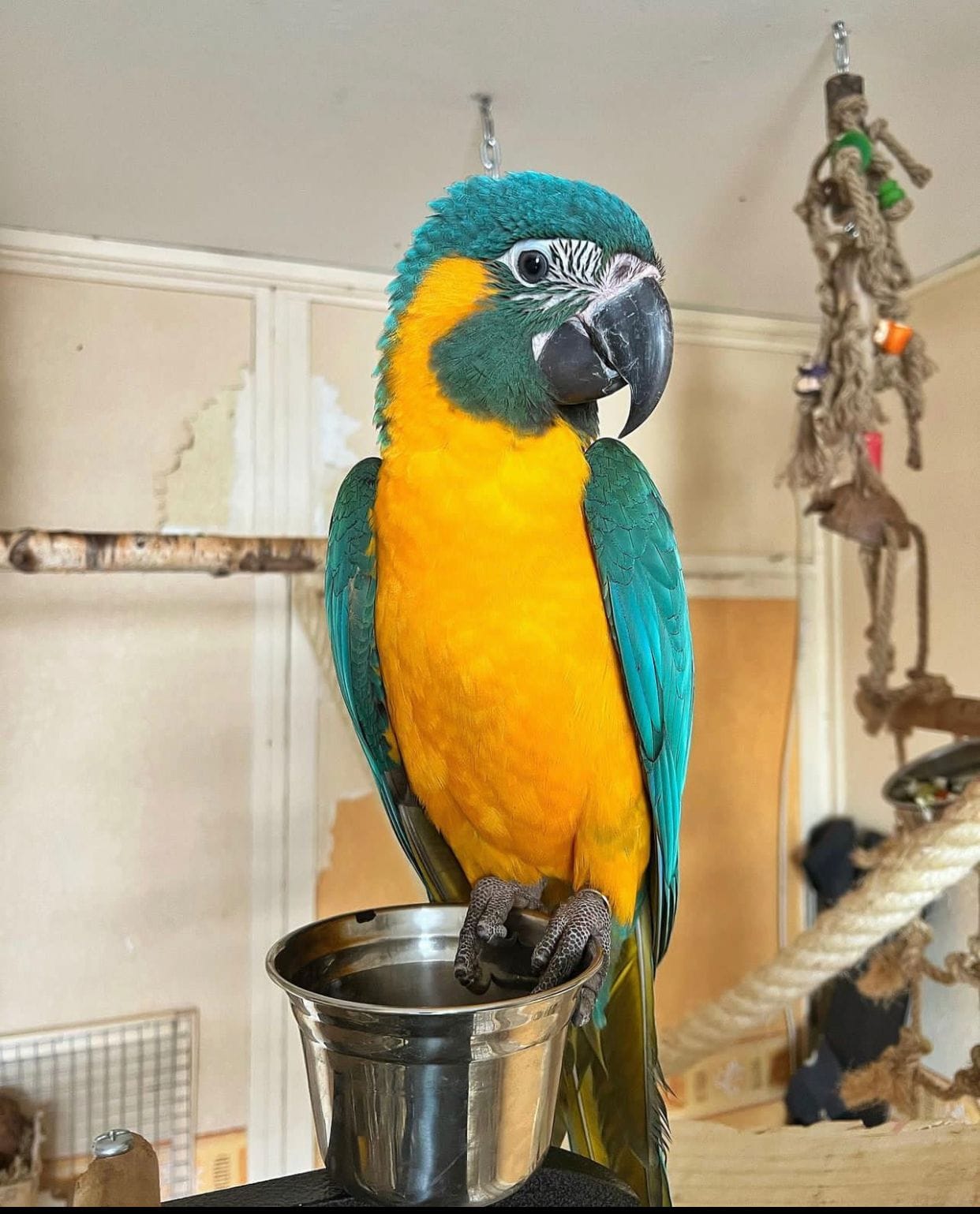 Great green macaws, despite their vibrant beauty, are in danger of disappearing. They are one of aviculture's most endangered species and their habitat is threatened by deforestation.
 MRN is working to protect their natural habitat as well as create corridors between protected areas. MRN also works with local communities to educate them about the value of this species.
Habitat
The great green macaw, despite being among the most beautiful and intelligent birds in the world has faced numerous threats over the last few decades. In fact, this species has been listed as critically endangered by BirdLife International. Habitat loss, unsustainable logging, and agricultural conversion have dramatically reduced the birds' numbers and range. In addition, farmers often shoot these beautiful birds since they are considered to be crop pests and they also capture them to supply the pet trade.
These beautiful birds are found in humid lowland forest and forest edges. They primarily feed on mountain almond trees (Dipterix panamensis) and nest in tree cavities. They are known for living in large families even during the breeding season.
Their tail feathers and wing feathers are long, sharply pointed to ensure efficient flight through the forest canopy. Their beaks are big and strong, allowing them to remove the hard shells of seeds, nuts and bark. They also love to eat fruits, roots and flowers. The great green macaw is a vocal species and makes a variety calls to communicate with other members of their family and with potential partners. Their calls can be heard as screeches, whistles and squawks.
These birds play a vital role in their ecosystems by dispersing seeds. This species' presence in the wild is a major contributor to the health and diversity of rainforest habitats. They are an important component of the food chain, attracting other animals such as insects and monkeys that help spread seeds of trees and other plants.
Fortunately, there are non-profit organizations that work to preserve this magnificent bird's habitat. They are buying land to establish reserves and work with local communities to help promote sustainable livelihoods. They are using conservation methods to reduce human-macaw cage contact. They also provide educational opportunities for people to learn about the beauty of this bird. The sight of this majestic bird in its natural surroundings is truly an unforgettable experience.
Diet
The great green macaw keycaps is an amazing bird that is found in the rainforests of Central and South America. They spend most of their time in small groups, high up in the trees, eating seeds and nuts. They use their powerful beaks to break up the hard shells of these items. They are essential seed dispersers and aid in maintaining healthy forests. They also play a part in the ecosystem, providing food to other endangered species such as the Scarlet Macaw and Yellow-naped Amazon.
This large parrot sports a predominantly green body which is enhanced by splashes of red on the forehead, cheeks and lower back of the wings. The tops of their heads are unadorned and they sport long beaks that have an incredibly curvature. The curve is an adaptation that helps break open the hard shells of seeds and nuts.
In the wild, great green macaws are known to eat bark, seeds, roots, flowers, bulbs and fruit. The fruit of the Almendra Guayaquilensis Mountain Almond Tree is a popular choice. They also visit clay-licks where birds lick clay in the belief that it is good for their health.
Great green macaws are in danger in the wild because of habitat loss, which means that they can't find enough food to survive. They are also captured illegally to be sold as pets.
The good news is that numerous organizations are working to safeguard this magnificent bird and ensure it is protected in the wild. World Land Trust, as an example, has a relationship with reserves like the Rio Canande Reserve, in Ecuador, where artificial macaws nests have been set up.
It is essential for those who keep the birds as pets to provide them plenty of space and feed them an aliment similar to the one they would eat in the wild. They should be given lots of fresh fruits and vegetables which include those high in vitamins such as sweet potatoes, bananas carrots and oranges. It's also a great idea to let them run, play and stretch their legs for a couple of hours every day. This will keep them healthy and happy.
Nesting
The great green macaw is nestled in a crevice or cavity in a tree usually in the almendro's trunk (Dipteryx panamensis) or tit o (Sacoglottis trichogyna). Other trees will be used, such as beach almond (Dipteryx) or cativo (Prioria Copaifera). A pair can lay as many as two eggs. The incubation time is about 28 days. The chicks leave the nest once they are fledged.
The biggest threat to the species is human-caused habitat loss, particularly through logging and agriculture. In Costa Rica, where the great green macaw is classified as endangered, great green macaw there has been a significant decline in the population because of deforestation, specifically since the 1980s. Conservation efforts are being made to save the species, however the task is massive.
In addition to preserving habitat, the key is education. Outreach programs in schools, communities and other places help people to comprehend the importance of this bird and encourage them to take part in conservation efforts. Eco-tourism is another tool that provides economic incentives to people to preserve great green macaw habitat.
Research shows that there aren't enough breeding pairs in the wild to sustain the population and grow its size. It is crucial to create protected areas and reserve corridors to allow the birds to find suitable companions. Conservation efforts include breeding in captivity artificial nests, nesting in cages to reduce the threat of predators.
Poaching is a serious concern for the great green macaw, especially in Central America where the birds are often killed due to their attractive markings, or are considered agricultural pests and shot. ProBosque is a WLT-supported group in Ecuador collaborates with local communities to help preserve the species in the Rio Canande Reserve as well as the Cerro Blanco Wooden Reserve. The project is examining the effects of artificial nests in this fragile region. It is anticipated that this information will lead to the development of new, improved nest designs that can lower the risk of being preyed upon by different animals. These innovations are a major step forward in the fight to save this magnificent bird.
Breeding Season
The breeding season of the great green macaw occurs between January and August, with the peak occurring in February and May. During this time the female will choose a nesting site within the forest canopy. This is typically an area of Dipteryx species. The female will lay between 2 and 3 eggs, which will be incubated for 26 to 28 days. The chicks will be fed by both parents. The first-year survival rate is 65percent.
Due to the increased risk of predation and the unstable habitat, it is becoming increasingly difficult for the great green macaw to maintain the stability of its population. Conservationists have designed artificial nests that can be placed in safe and secure trees to fight this. These nests protect the young from predators and weather conditions. They also allow humans to monitor the breeding success and health of birds.
Great green macaws are often seen in pairs, however they can be found in small groups of 10 to 15 individuals as well. They are found in the tropical rainforest of the lowlands that extends from eastern Honduras to northwestern Colombia and western Ecuador. The birds are found primarily in the forest canopy, however, they also inhabit forests in the foothills. They eat seeds and fruits, as well as occasionally hard-shelled nuts.
Many non-profit organizations are working towards conserving the natural habitat of the great green macaw. They collaborate with local communities and buy land to promote sustainable farming and other sources of income. They also monitor the macaws in order to identify threats and reduce those risks.
Many tourists consider it an amazing experience to observe the magnificent green Macaw in its natural habitat. Many eco-lodges and tour operators offer birdwatching opportunities and offer visitors the chance to see these beautiful birds while learning about their habitats and conservation efforts.
With the possibility of habitat loss caused by mining and logging, the population of the great green macaw is decreasing. Conservationists are making a difference by establishing protected areas and ensuring that the macaw has access to the corridors that connect these areas. They are also creating breeding programs and encouraging community involvement to help to protect the macaw as well as other species.
Great green macaws, despite their vibrant beauty, are in danger of disappearing. They are one of aviculture's most endangered species and their habitat is threatened by deforestation.MRN is working to protect their natural habitat as well as create corridors between protected areas. MRN also works with local communities to educate them about the value of this species.Habitat
The great green macaw, despite being among the most beautiful and intelligent birds in the world has faced numerous threats over the last few decades. In fact, this species has been listed as critically endangered by BirdLife International. Habitat loss, unsustainable logging, and agricultural conversion have dramatically reduced the birds' numbers and range. In addition, farmers often shoot these beautiful birds since they are considered to be crop pests and they also capture them to supply the pet trade.
These beautiful birds are found in humid lowland forest and forest edges. They primarily feed on mountain almond trees (Dipterix panamensis) and nest in tree cavities. They are known for living in large families even during the breeding season.
Their tail feathers and wing feathers are long, sharply pointed to ensure efficient flight through the forest canopy. Their beaks are big and strong, allowing them to remove the hard shells of seeds, nuts and bark. They also love to eat fruits, roots and flowers. The great green macaw is a vocal species and makes a variety calls to communicate with other members of their family and with potential partners. Their calls can be heard as screeches, whistles and squawks.
These birds play a vital role in their ecosystems by dispersing seeds. This species' presence in the wild is a major contributor to the health and diversity of rainforest habitats. They are an important component of the food chain, attracting other animals such as insects and monkeys that help spread seeds of trees and other plants.
Fortunately, there are non-profit organizations that work to preserve this magnificent bird's habitat. They are buying land to establish reserves and work with local communities to help promote sustainable livelihoods. They are using conservation methods to reduce human-macaw cage contact. They also provide educational opportunities for people to learn about the beauty of this bird. The sight of this majestic bird in its natural surroundings is truly an unforgettable experience.
Diet
The great green macaw keycaps is an amazing bird that is found in the rainforests of Central and South America. They spend most of their time in small groups, high up in the trees, eating seeds and nuts. They use their powerful beaks to break up the hard shells of these items. They are essential seed dispersers and aid in maintaining healthy forests. They also play a part in the ecosystem, providing food to other endangered species such as the Scarlet Macaw and Yellow-naped Amazon.
This large parrot sports a predominantly green body which is enhanced by splashes of red on the forehead, cheeks and lower back of the wings. The tops of their heads are unadorned and they sport long beaks that have an incredibly curvature. The curve is an adaptation that helps break open the hard shells of seeds and nuts.
In the wild, great green macaws are known to eat bark, seeds, roots, flowers, bulbs and fruit. The fruit of the Almendra Guayaquilensis Mountain Almond Tree is a popular choice. They also visit clay-licks where birds lick clay in the belief that it is good for their health.
Great green macaws are in danger in the wild because of habitat loss, which means that they can't find enough food to survive. They are also captured illegally to be sold as pets.
The good news is that numerous organizations are working to safeguard this magnificent bird and ensure it is protected in the wild. World Land Trust, as an example, has a relationship with reserves like the Rio Canande Reserve, in Ecuador, where artificial macaws nests have been set up.
It is essential for those who keep the birds as pets to provide them plenty of space and feed them an aliment similar to the one they would eat in the wild. They should be given lots of fresh fruits and vegetables which include those high in vitamins such as sweet potatoes, bananas carrots and oranges. It's also a great idea to let them run, play and stretch their legs for a couple of hours every day. This will keep them healthy and happy.
Nesting
The great green macaw is nestled in a crevice or cavity in a tree usually in the almendro's trunk (Dipteryx panamensis) or tit o (Sacoglottis trichogyna). Other trees will be used, such as beach almond (Dipteryx) or cativo (Prioria Copaifera). A pair can lay as many as two eggs. The incubation time is about 28 days. The chicks leave the nest once they are fledged.
The biggest threat to the species is human-caused habitat loss, particularly through logging and agriculture. In Costa Rica, where the great green macaw is classified as endangered, great green macaw there has been a significant decline in the population because of deforestation, specifically since the 1980s. Conservation efforts are being made to save the species, however the task is massive.
In addition to preserving habitat, the key is education. Outreach programs in schools, communities and other places help people to comprehend the importance of this bird and encourage them to take part in conservation efforts. Eco-tourism is another tool that provides economic incentives to people to preserve great green macaw habitat.
Research shows that there aren't enough breeding pairs in the wild to sustain the population and grow its size. It is crucial to create protected areas and reserve corridors to allow the birds to find suitable companions. Conservation efforts include breeding in captivity artificial nests, nesting in cages to reduce the threat of predators.
Poaching is a serious concern for the great green macaw, especially in Central America where the birds are often killed due to their attractive markings, or are considered agricultural pests and shot. ProBosque is a WLT-supported group in Ecuador collaborates with local communities to help preserve the species in the Rio Canande Reserve as well as the Cerro Blanco Wooden Reserve. The project is examining the effects of artificial nests in this fragile region. It is anticipated that this information will lead to the development of new, improved nest designs that can lower the risk of being preyed upon by different animals. These innovations are a major step forward in the fight to save this magnificent bird.
Breeding Season
The breeding season of the great green macaw occurs between January and August, with the peak occurring in February and May. During this time the female will choose a nesting site within the forest canopy. This is typically an area of Dipteryx species. The female will lay between 2 and 3 eggs, which will be incubated for 26 to 28 days. The chicks will be fed by both parents. The first-year survival rate is 65percent.
Due to the increased risk of predation and the unstable habitat, it is becoming increasingly difficult for the great green macaw to maintain the stability of its population. Conservationists have designed artificial nests that can be placed in safe and secure trees to fight this. These nests protect the young from predators and weather conditions. They also allow humans to monitor the breeding success and health of birds.
Great green macaws are often seen in pairs, however they can be found in small groups of 10 to 15 individuals as well. They are found in the tropical rainforest of the lowlands that extends from eastern Honduras to northwestern Colombia and western Ecuador. The birds are found primarily in the forest canopy, however, they also inhabit forests in the foothills. They eat seeds and fruits, as well as occasionally hard-shelled nuts.
Many non-profit organizations are working towards conserving the natural habitat of the great green macaw. They collaborate with local communities and buy land to promote sustainable farming and other sources of income. They also monitor the macaws in order to identify threats and reduce those risks.
Many tourists consider it an amazing experience to observe the magnificent green Macaw in its natural habitat. Many eco-lodges and tour operators offer birdwatching opportunities and offer visitors the chance to see these beautiful birds while learning about their habitats and conservation efforts.
With the possibility of habitat loss caused by mining and logging, the population of the great green macaw is decreasing. Conservationists are making a difference by establishing protected areas and ensuring that the macaw has access to the corridors that connect these areas. They are also creating breeding programs and encouraging community involvement to help to protect the macaw as well as other species.
댓글목록
등록된 댓글이 없습니다.